Discover Romania. Sibiu
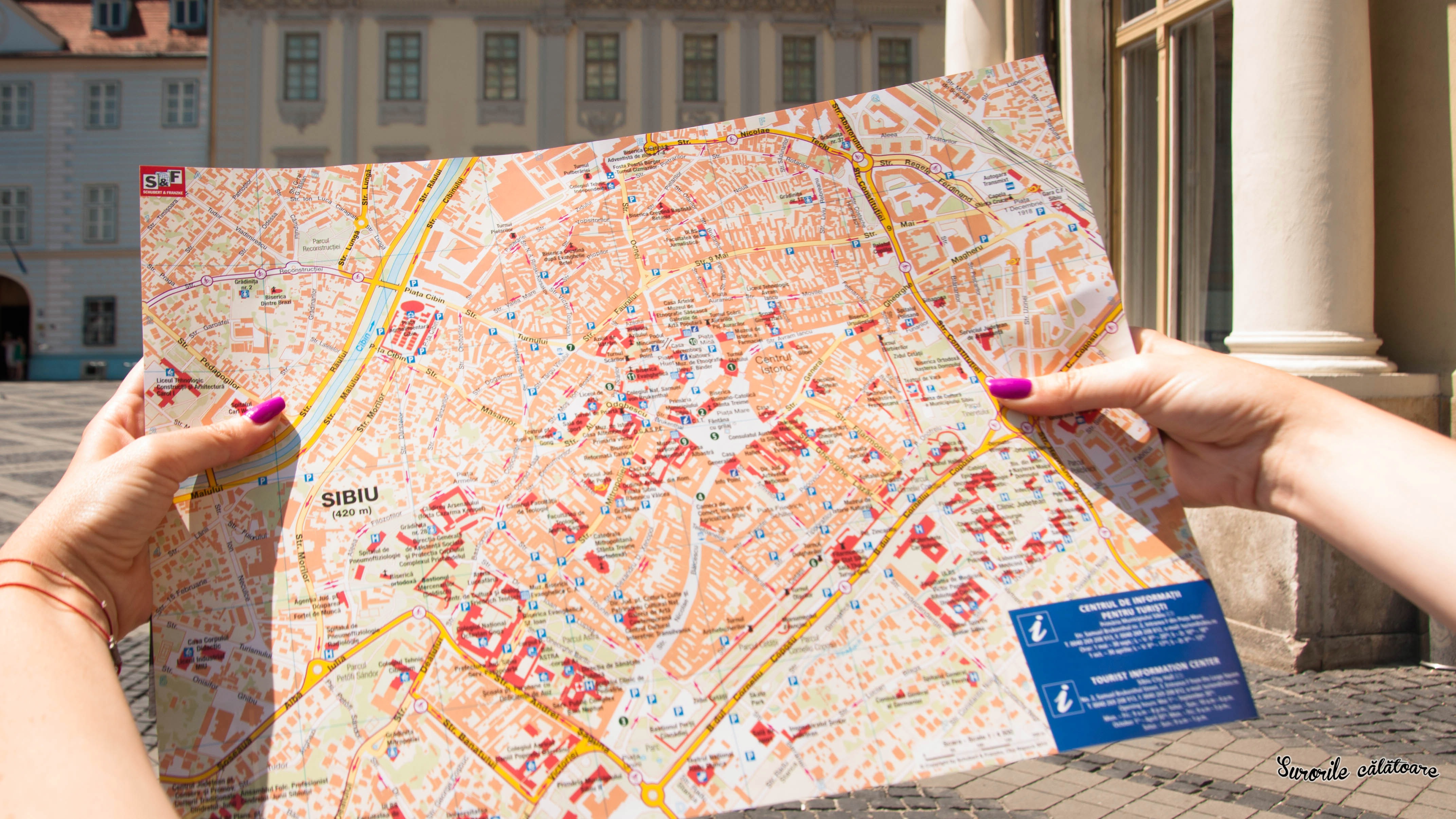
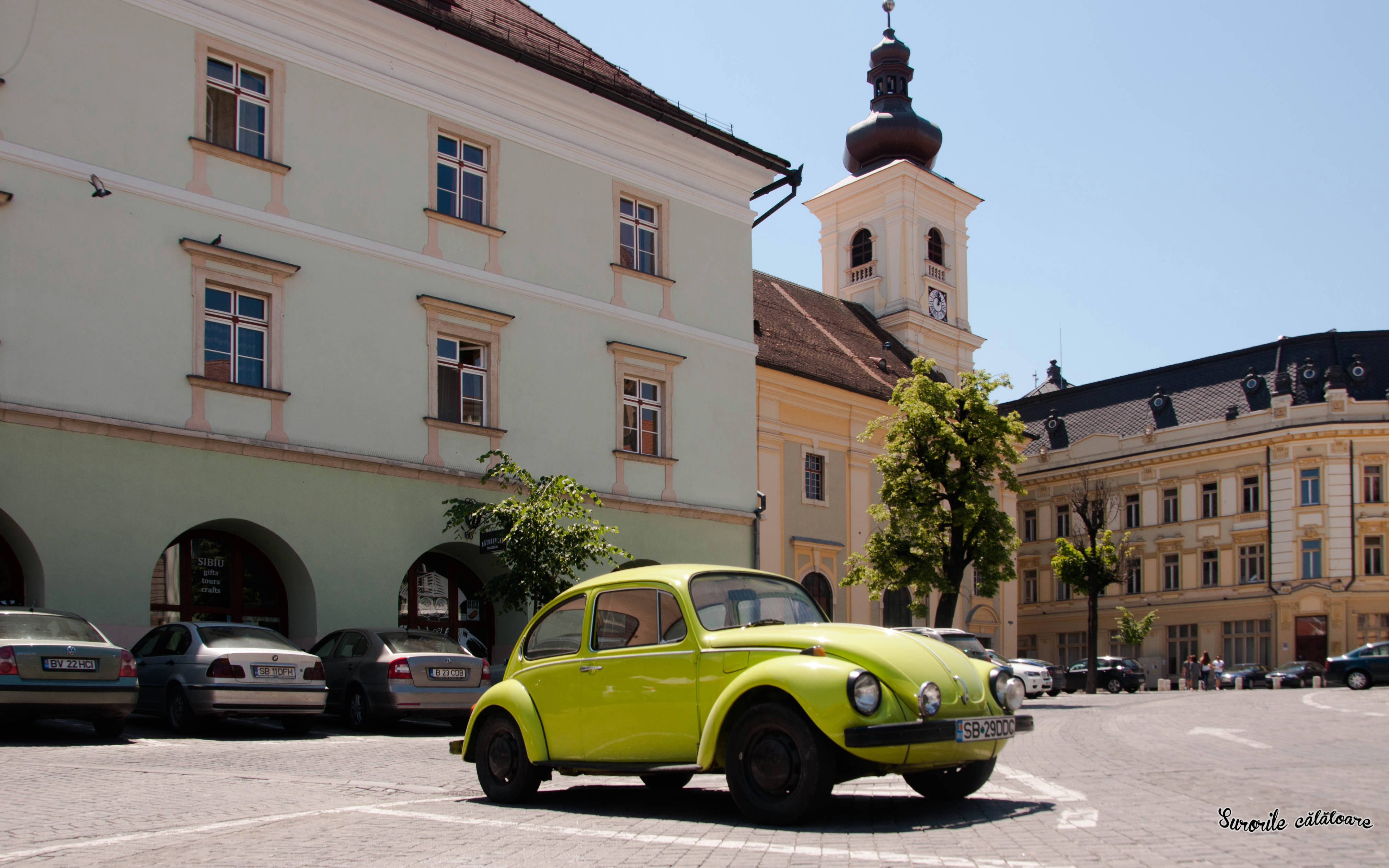
On this rainy October day we decided to write about Sibiu, one of our favorite medieval towns, a town that we visited a few times this summer.With its first official recording in 1919, Sibiu needs no further introduction, being the European Cultural Capital in 2007 and a well known Transylvanian medieval town. The first thing that we came across is The Large Square. It’s been pulsating with life since 1411 when it was mentioned as a grain market, although it existed since 1366. No matter the season, The Large Square is the hospitable and dynamic place where something is always happening. There was a car exhibition when we arrived that took over the entire square, but we still managed to take some nice photos. We went into the city’s Info Point to grab a map of the city and were greeted with a “Hello” because the lady there thought we were foreign tourists. We continued to our route but not before taking some photos of the main attractions in the Large Square.
Romanian Art Gallery with a particular architecture and history, the gallery hosts Romanian paintings from the XVII-XX Centuries
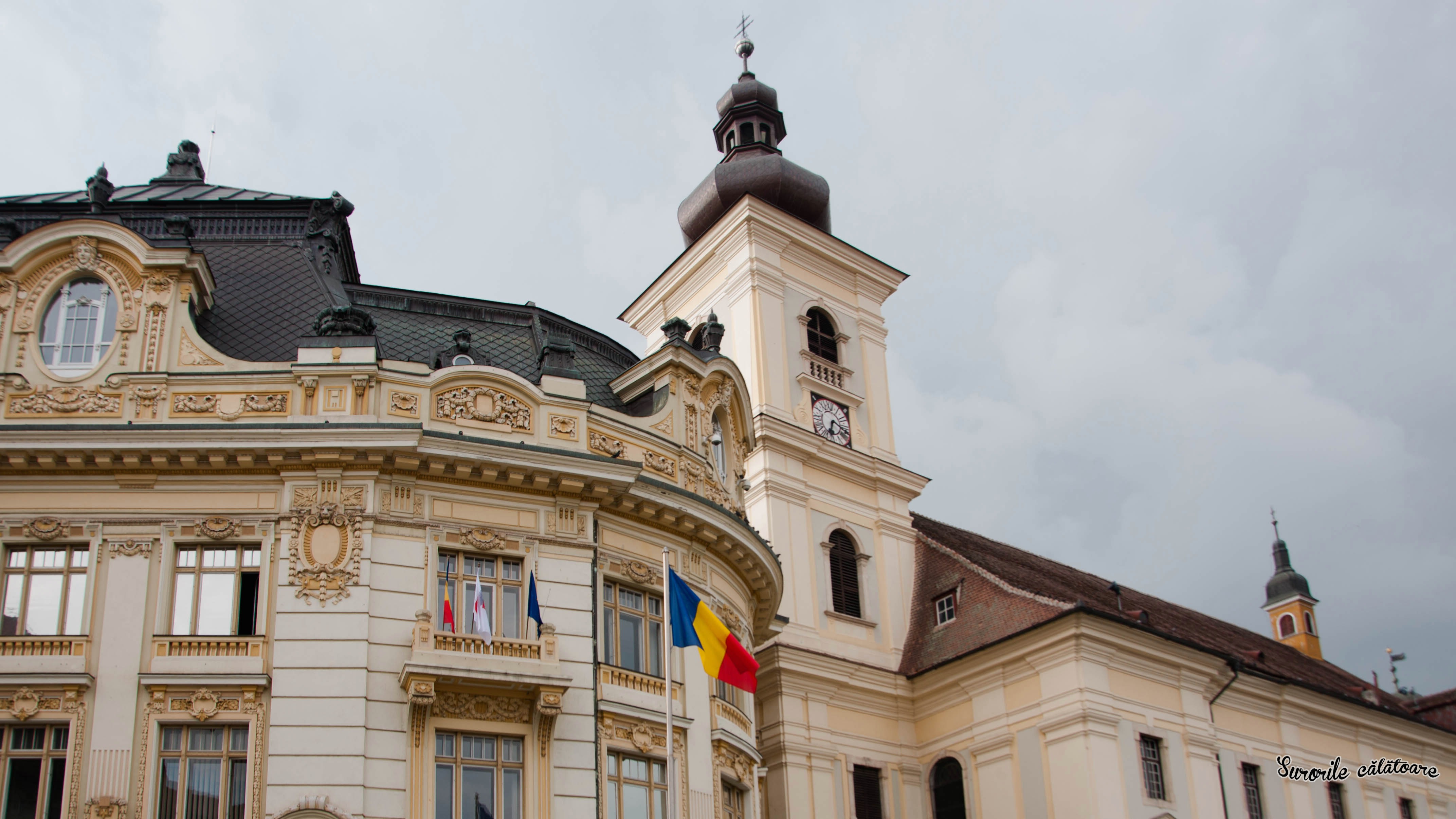
The City Hall. The building served as a bank at first, then a City Hall, then the Public Savings Institution (Romania’s oldest bank), and from 2006 hosts once again the City Hall where you can also find the Touristic Info Point
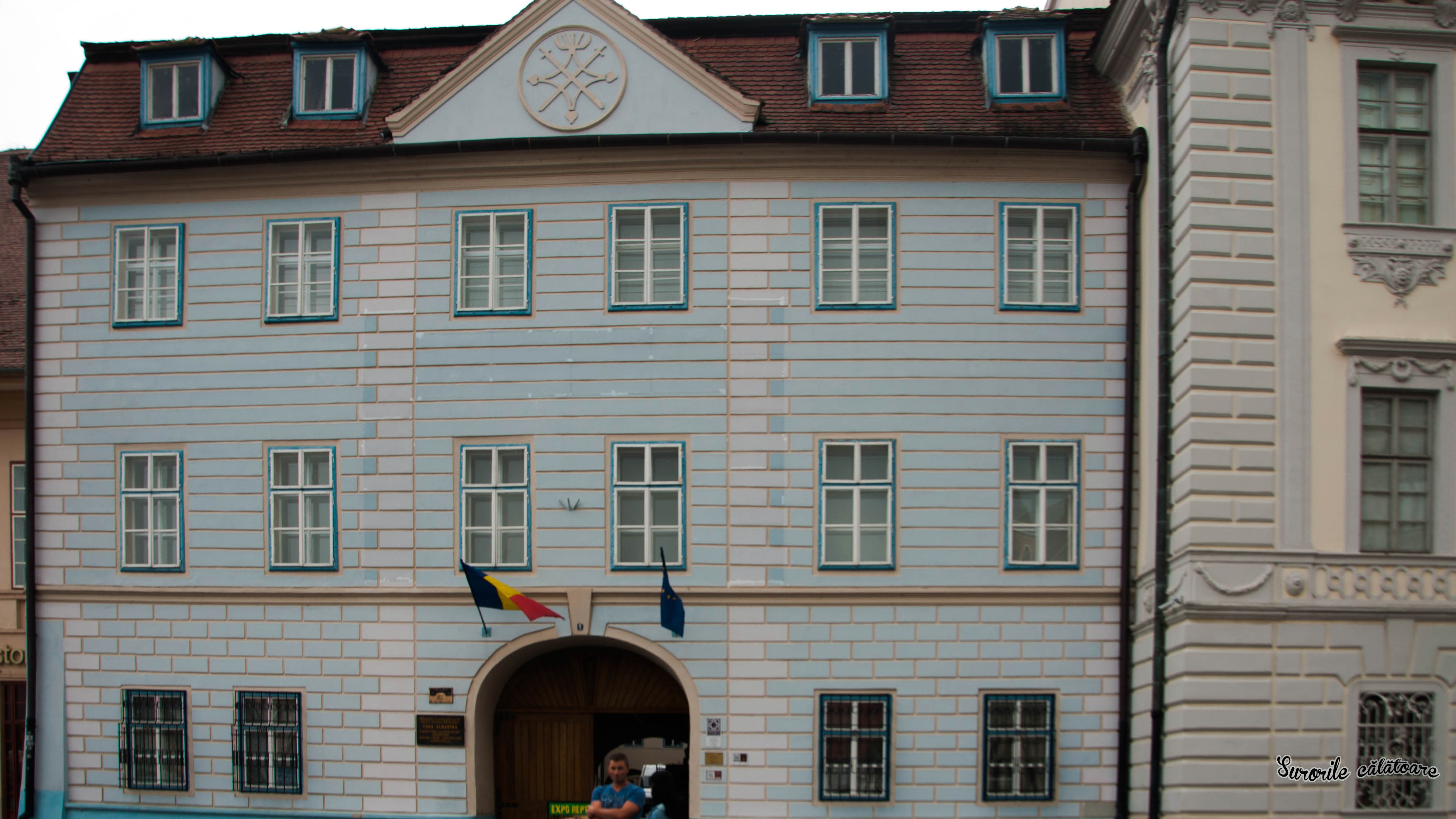
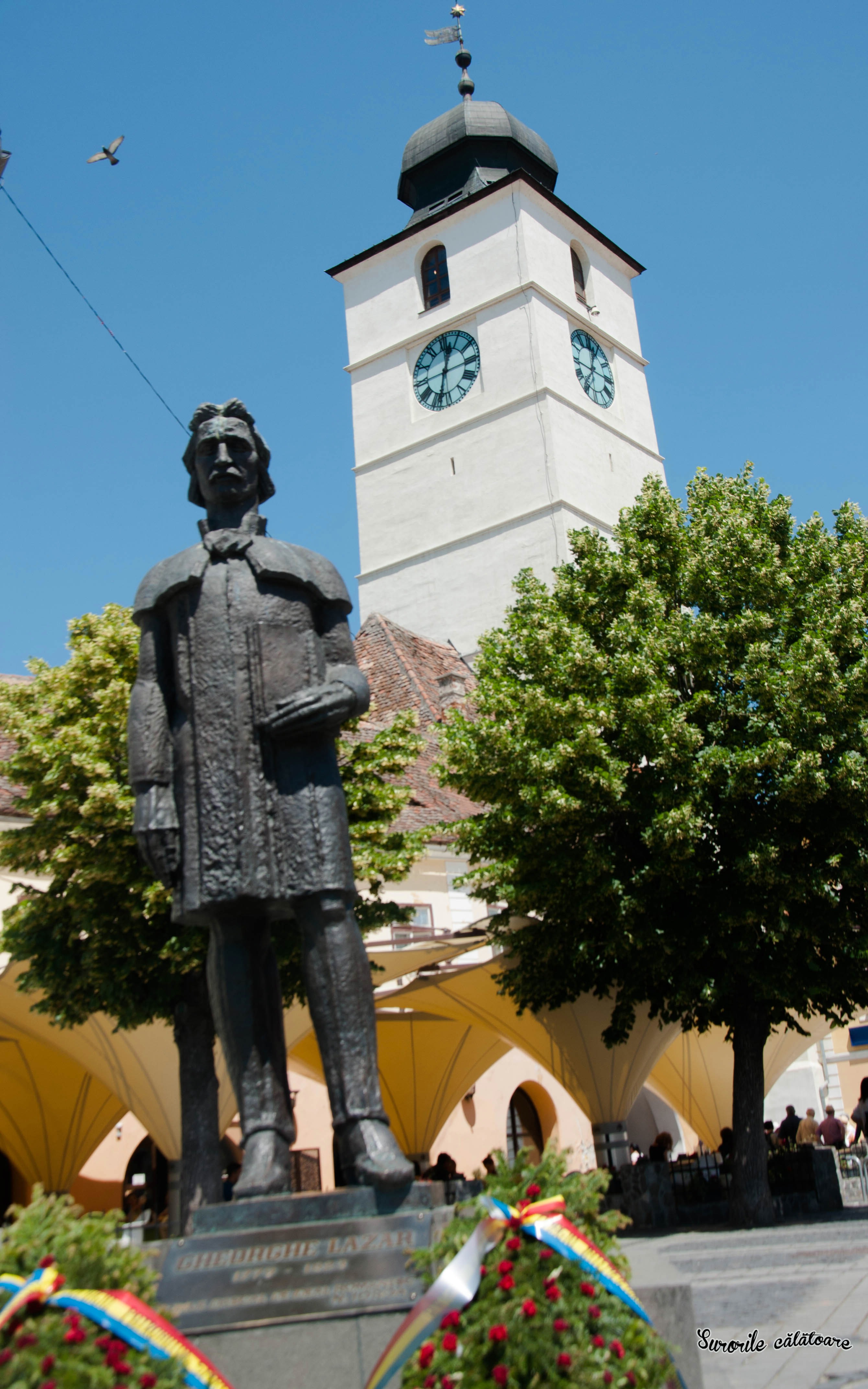
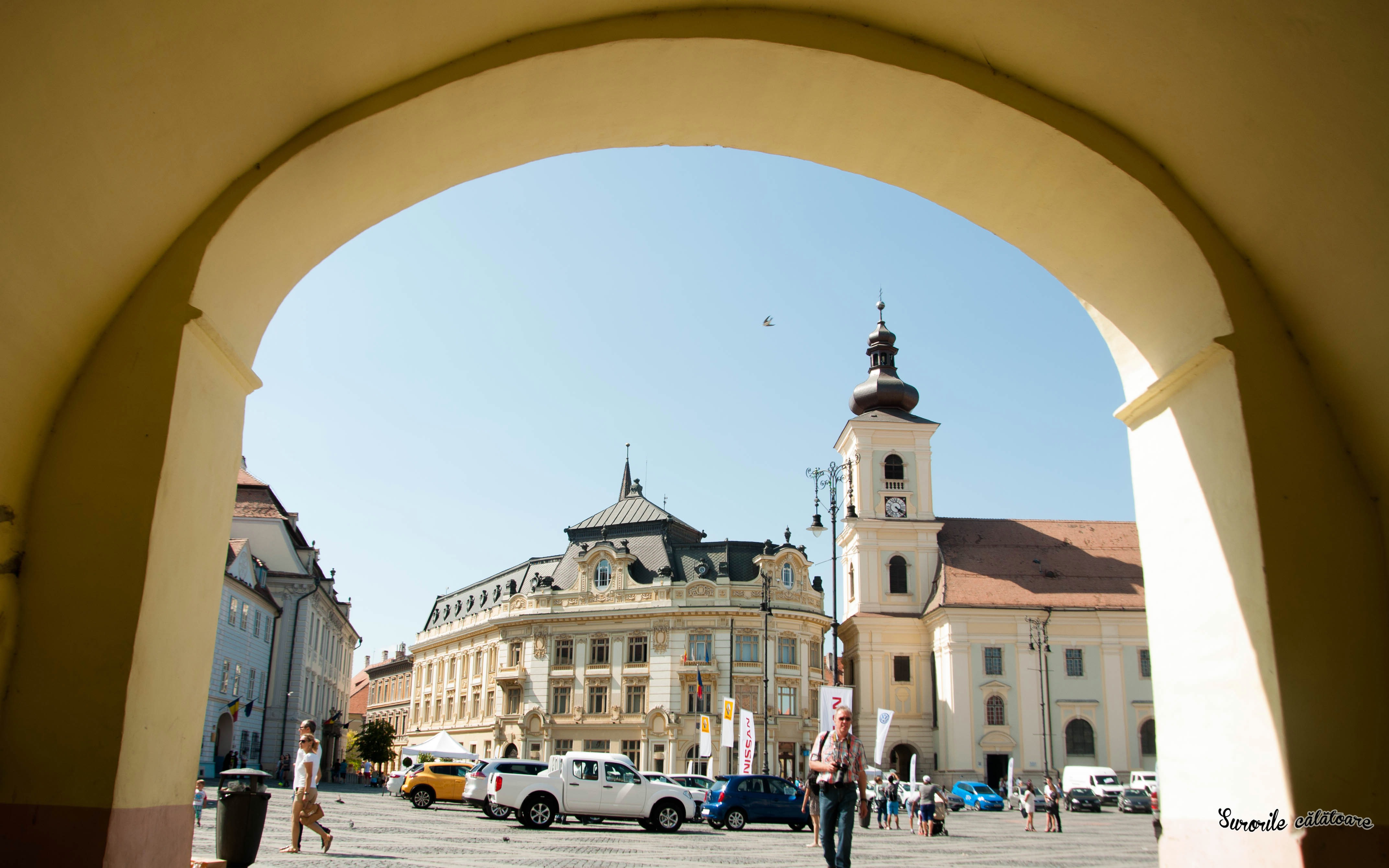
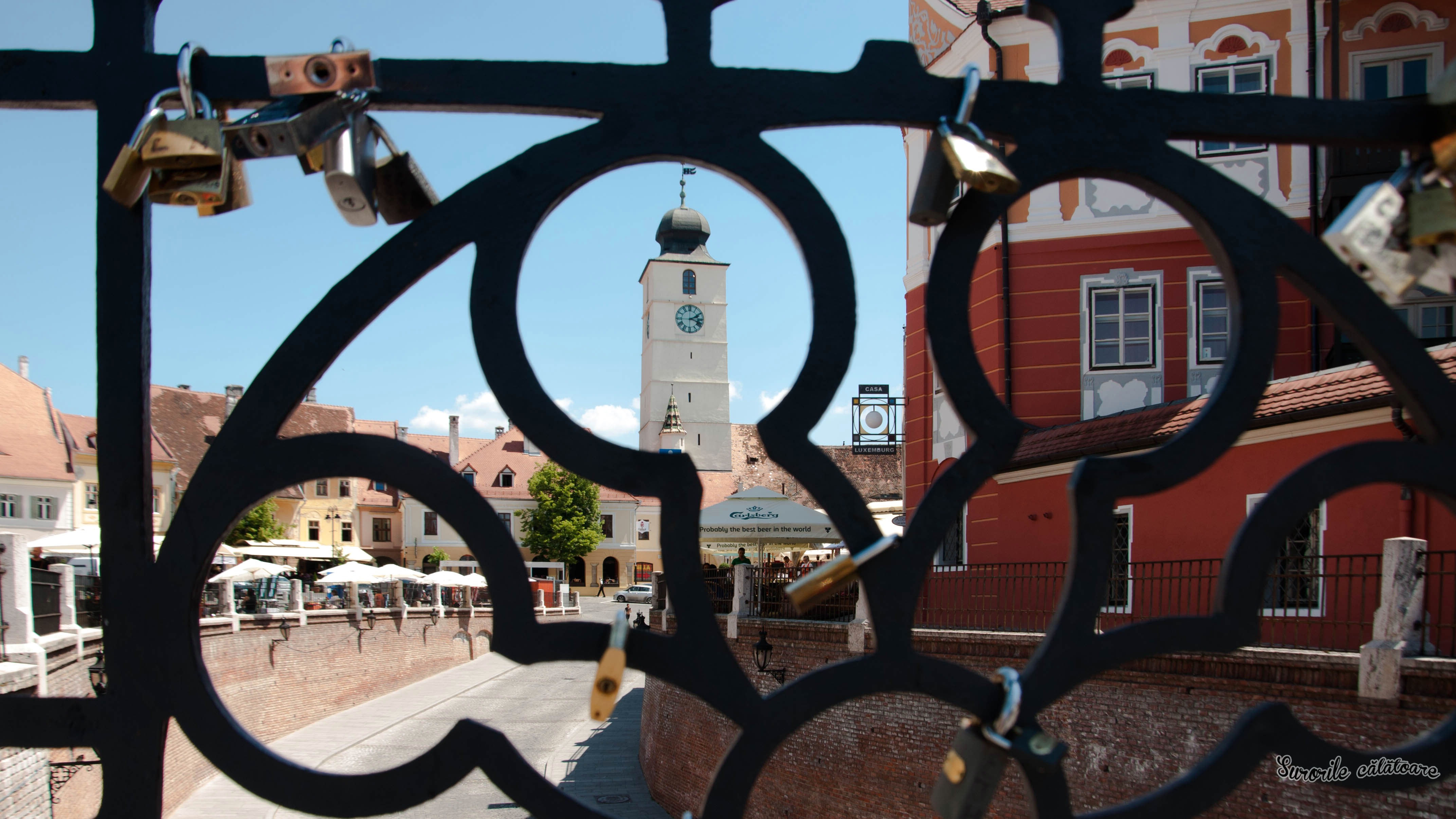
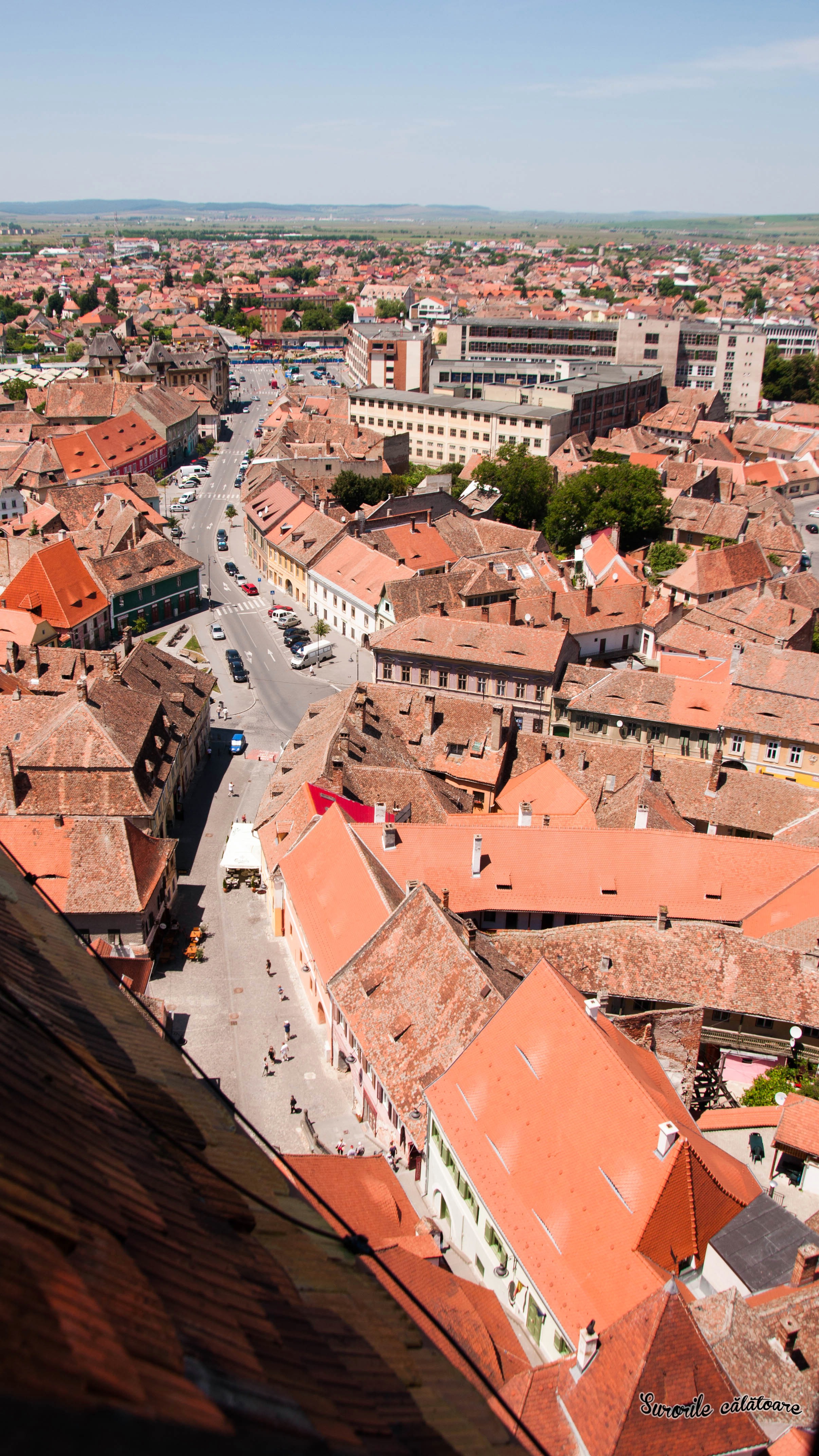
On the way to the Small Square there’s The Council Tower who was built in XIIth century and was alternatively a gate tower, watch tower (observation point for fires in the city), jail, granary, Natural Science Museum (mid XIXth century). From the initial construction there’s only left the part built up to the first floor , being restored many times along the way. The Council’s Tower was completely restored between 1961-196. Today the tower is used for different exhibitions, observation point for panoramic views and from the upper level the visitors can view the whole city of Sibiu and the cliffs of Fagaras Mountains. We went to the top as well and at each floor thee was a photo exhibition.
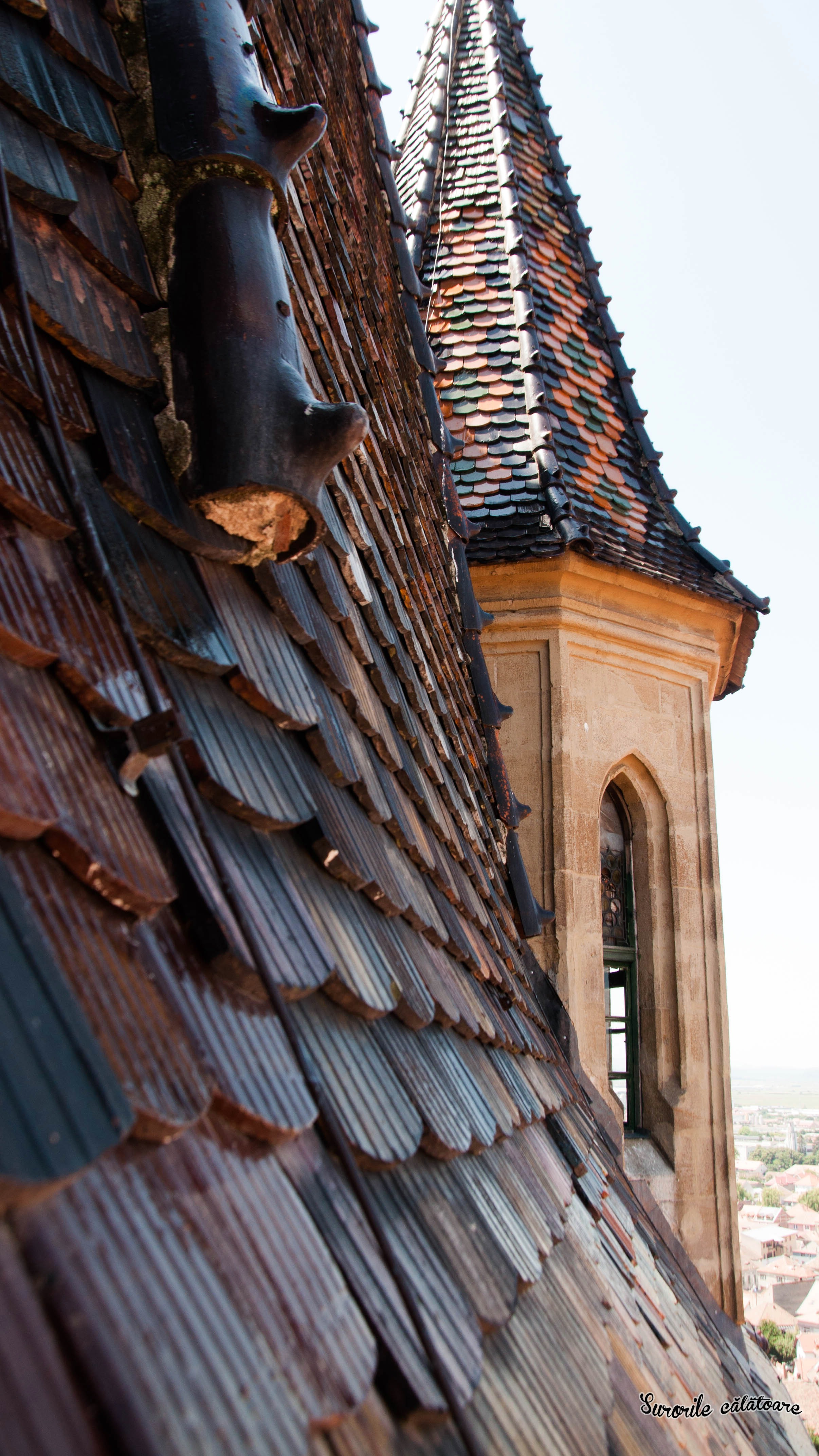
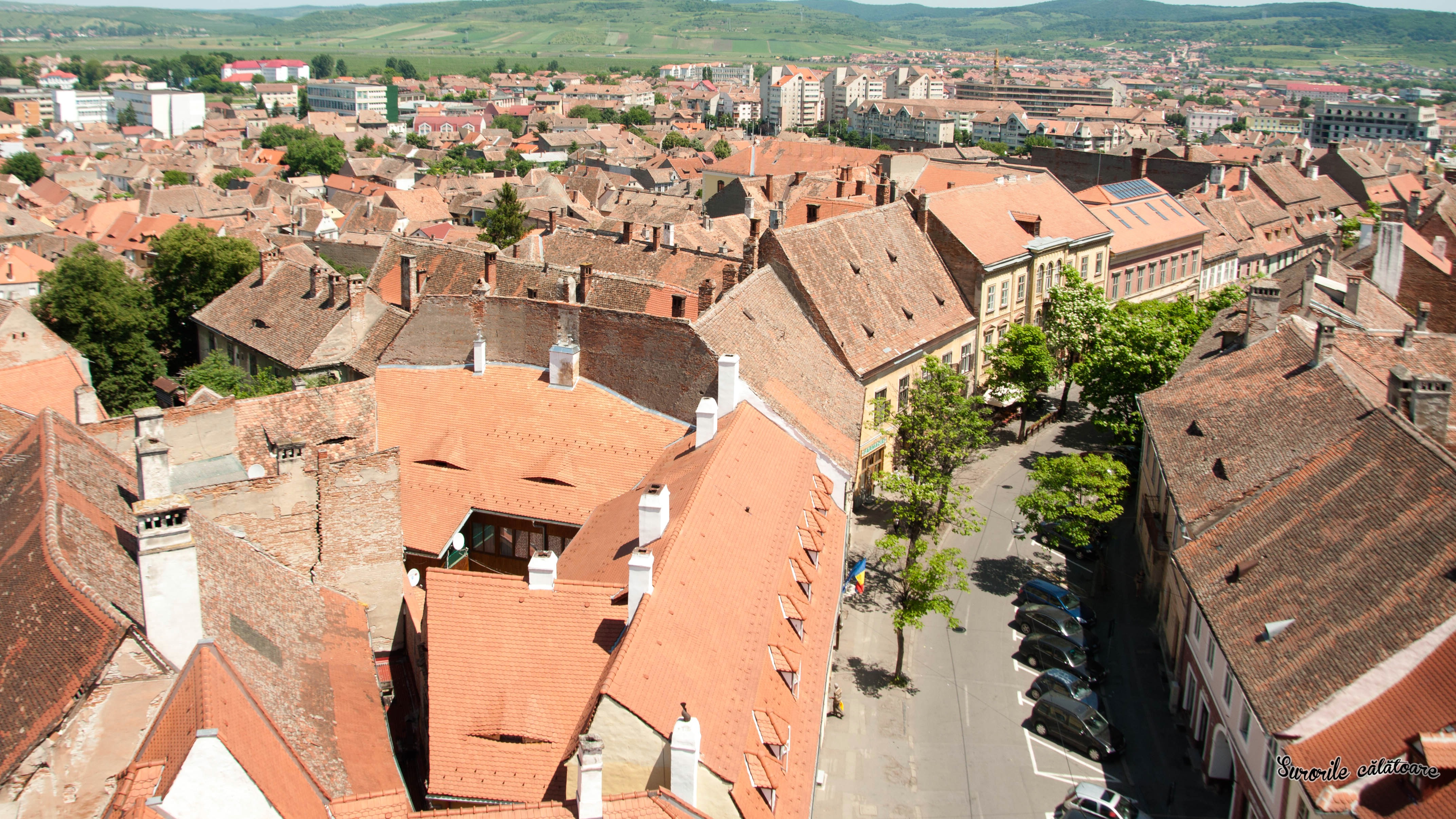
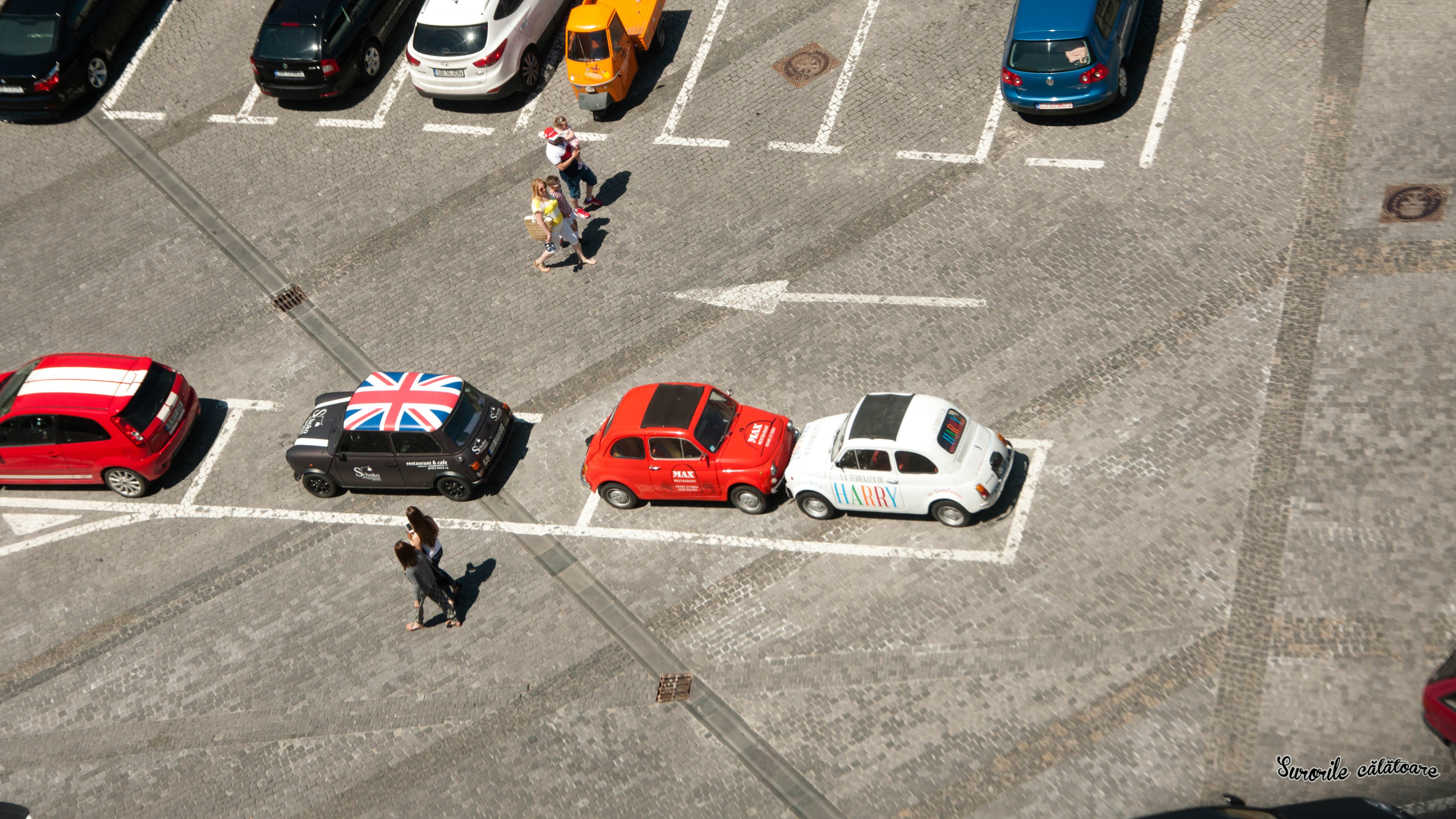
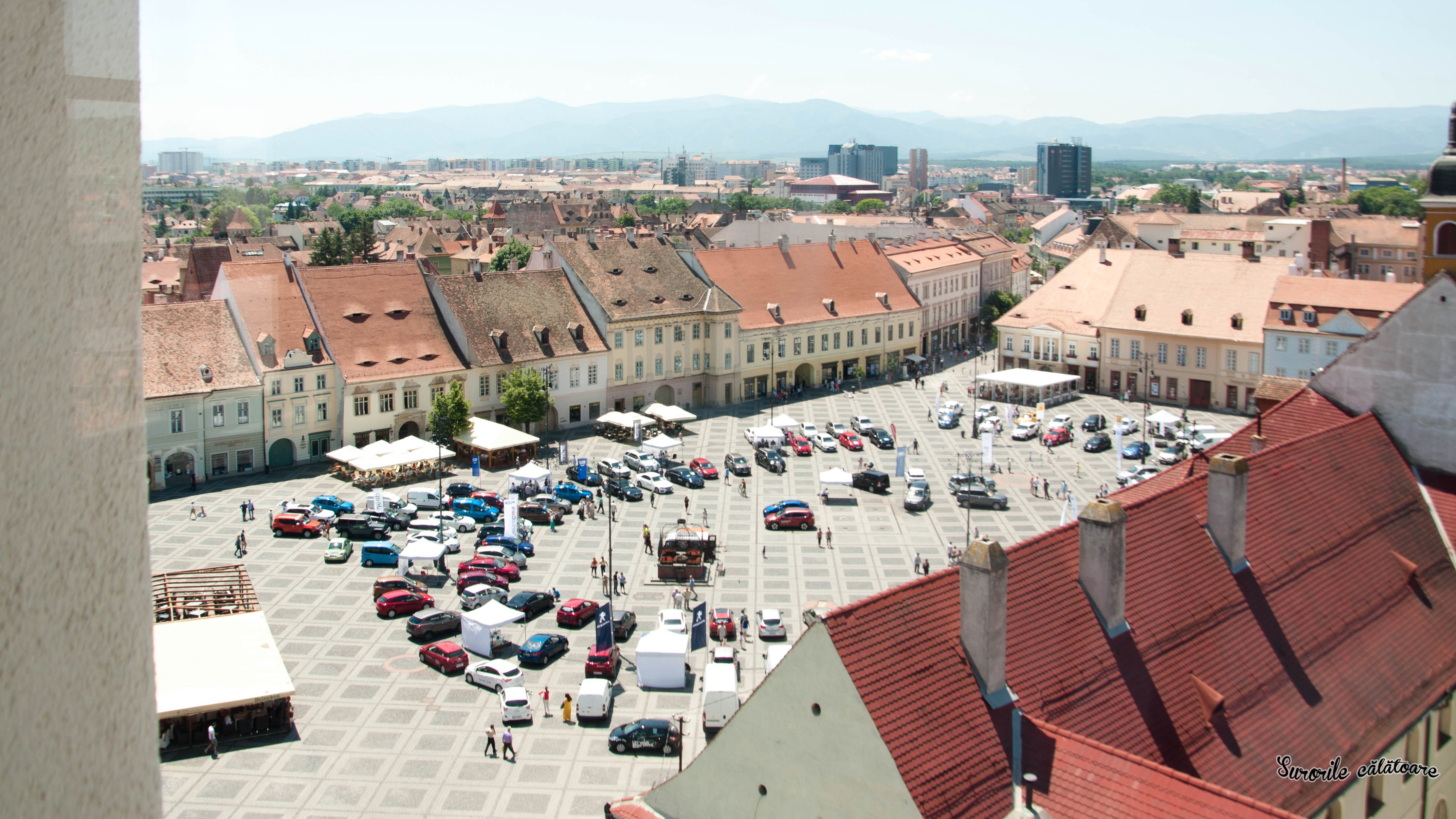
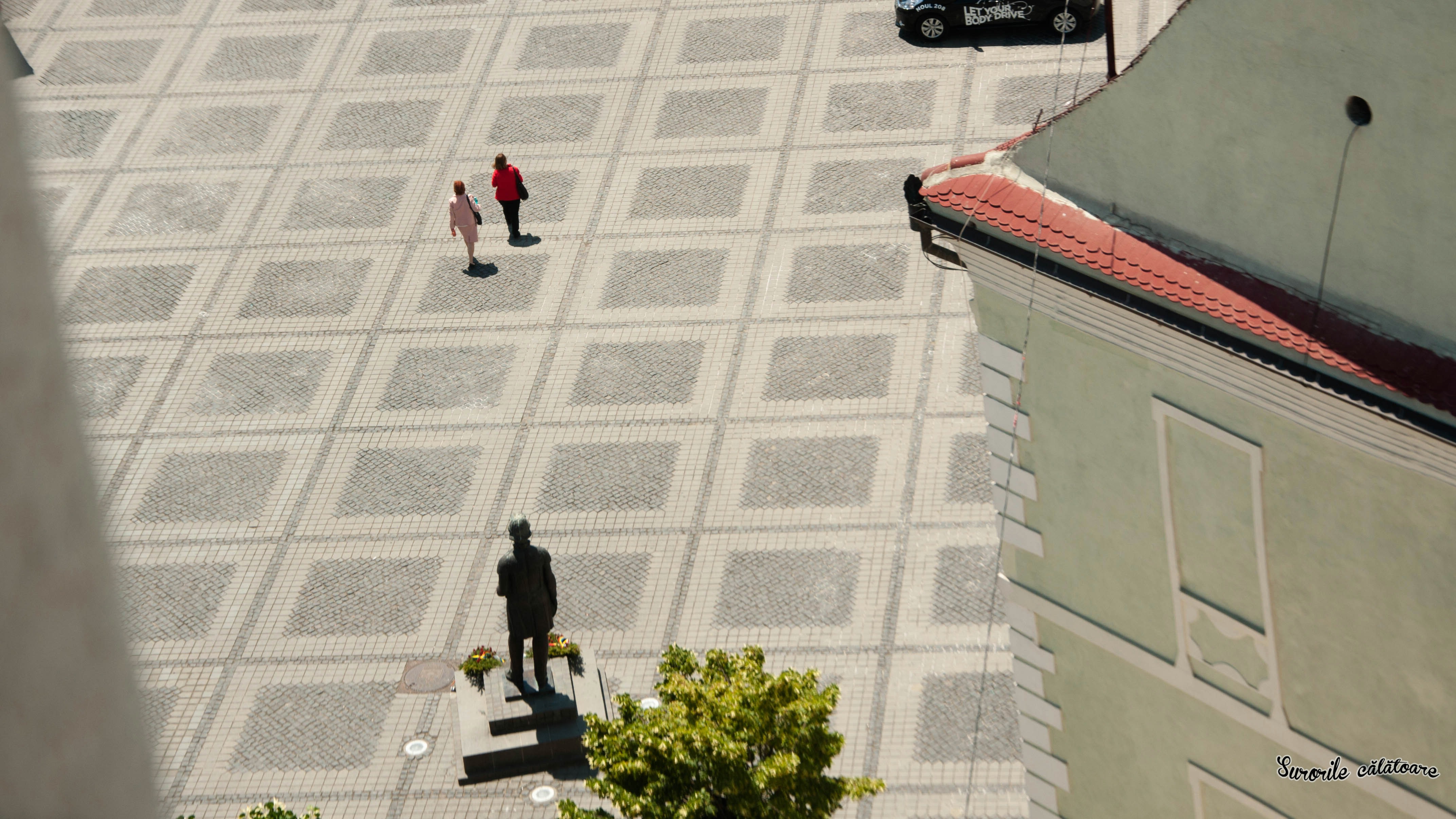
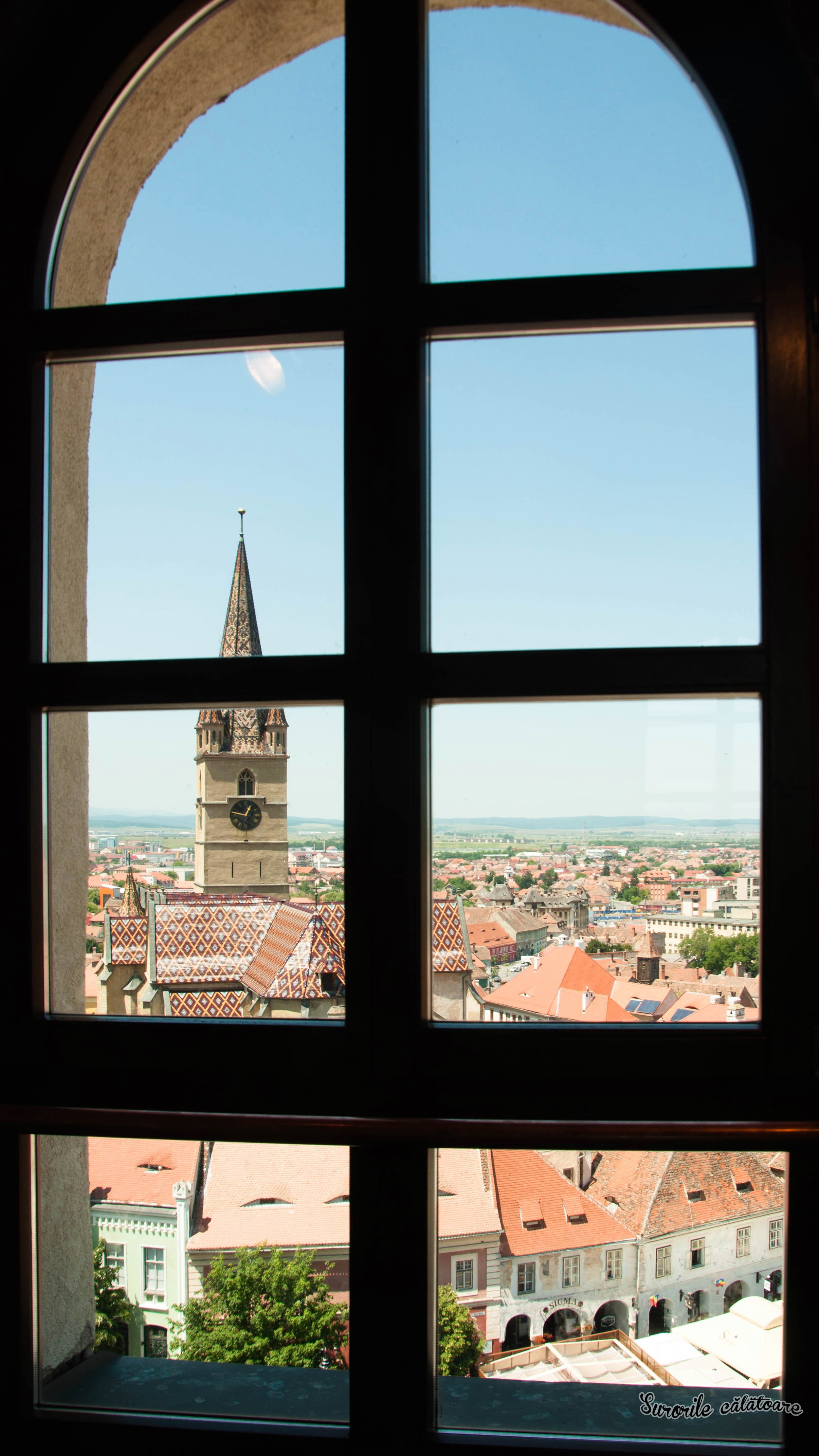
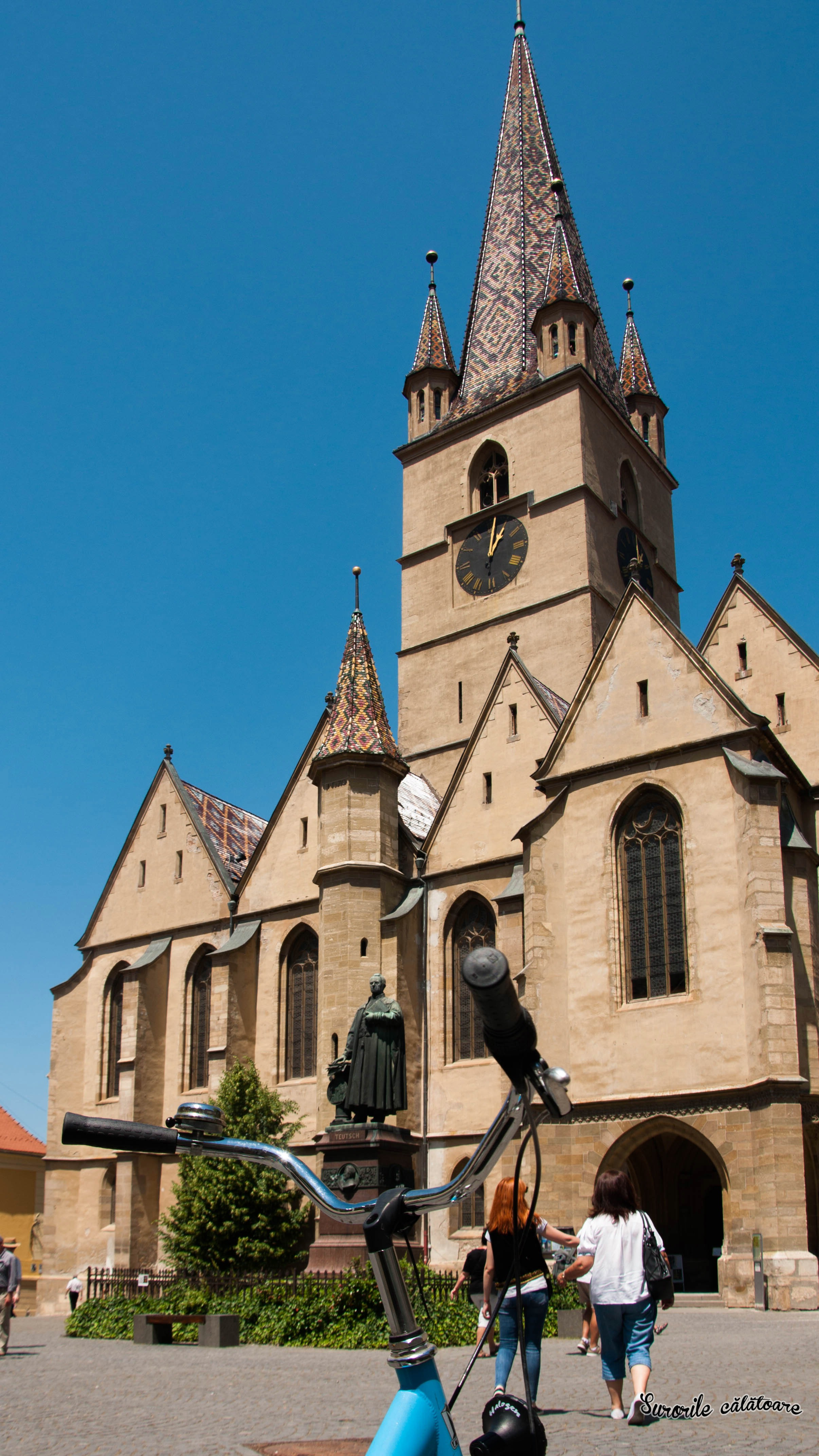
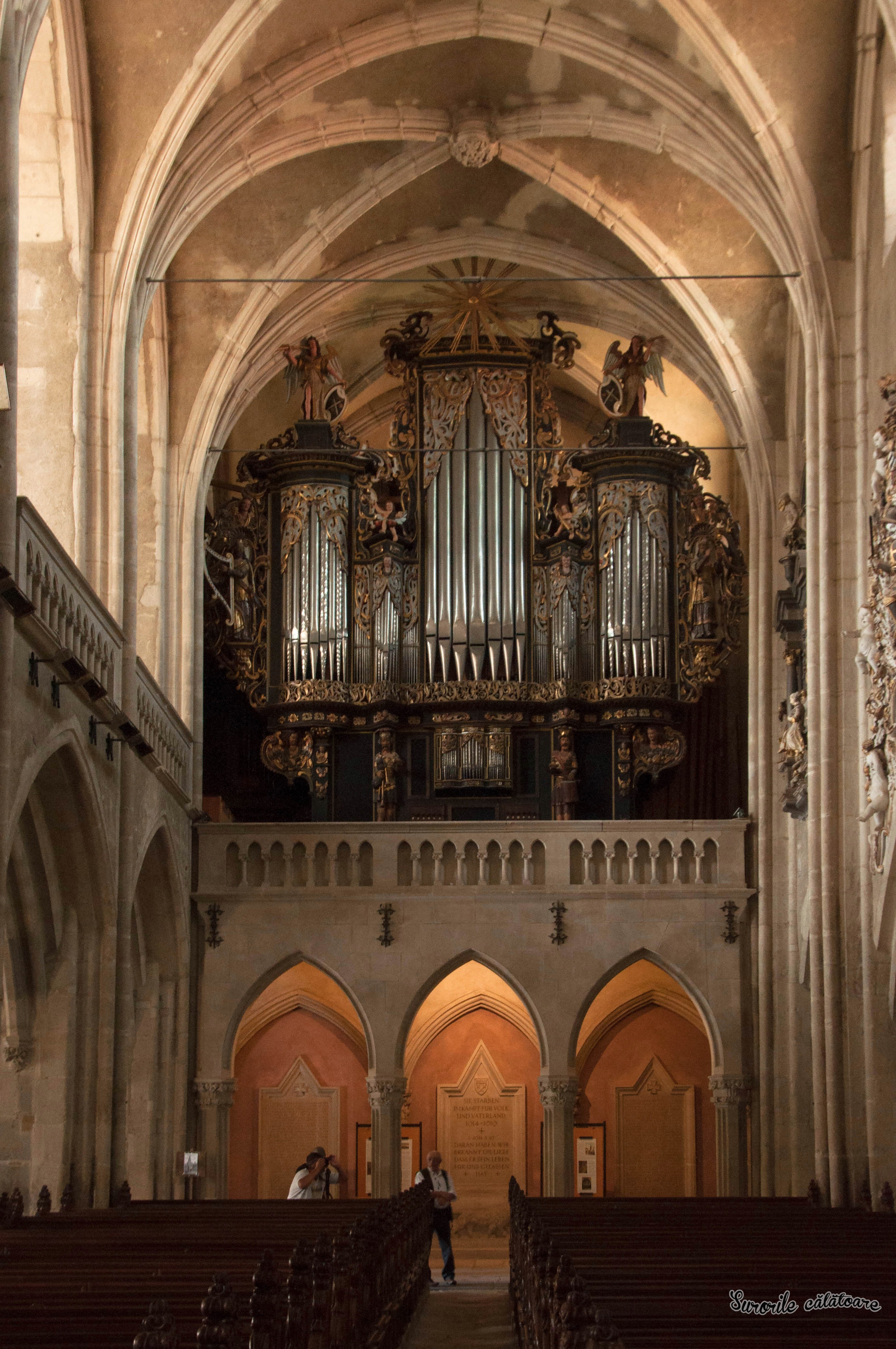
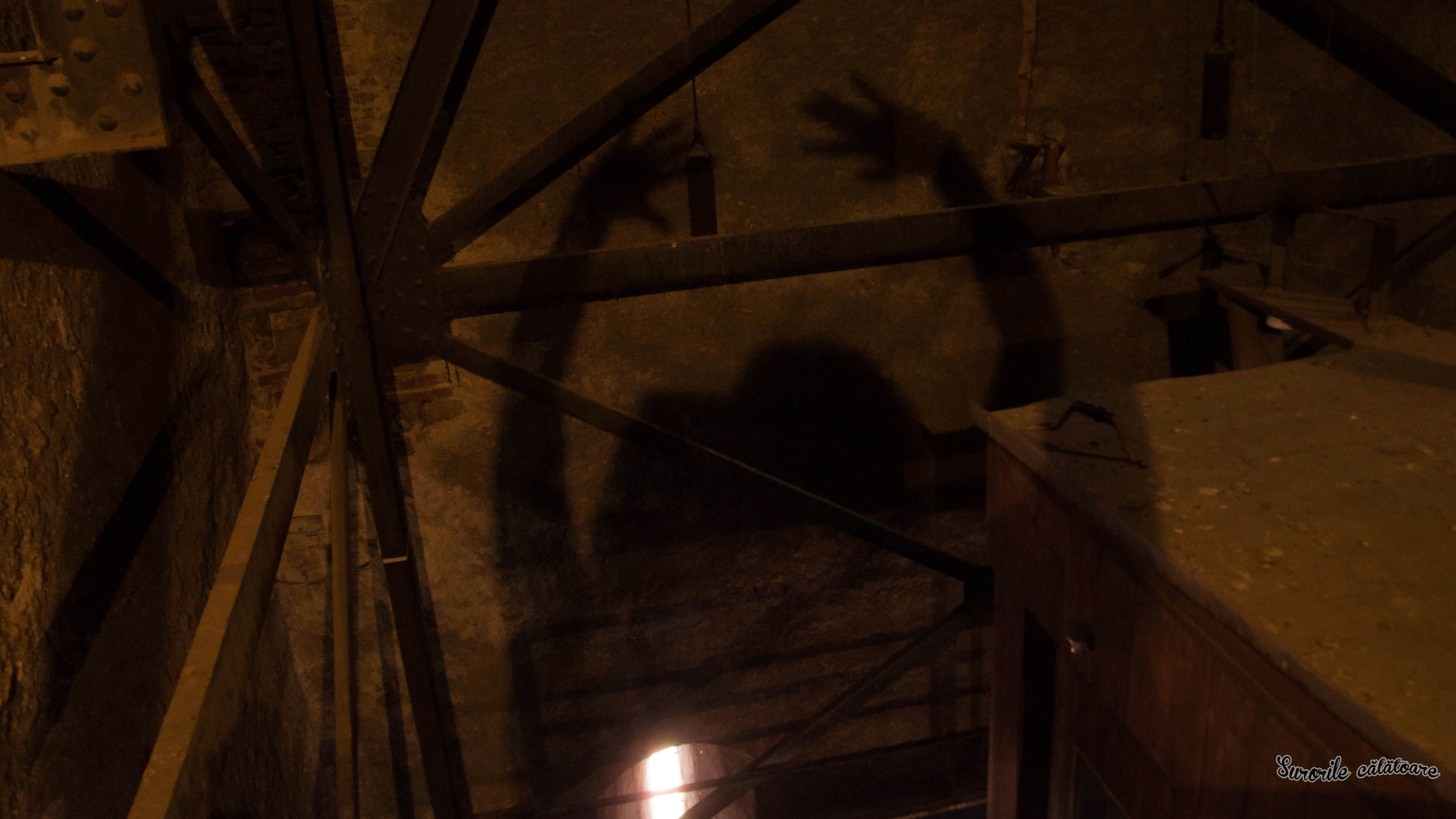
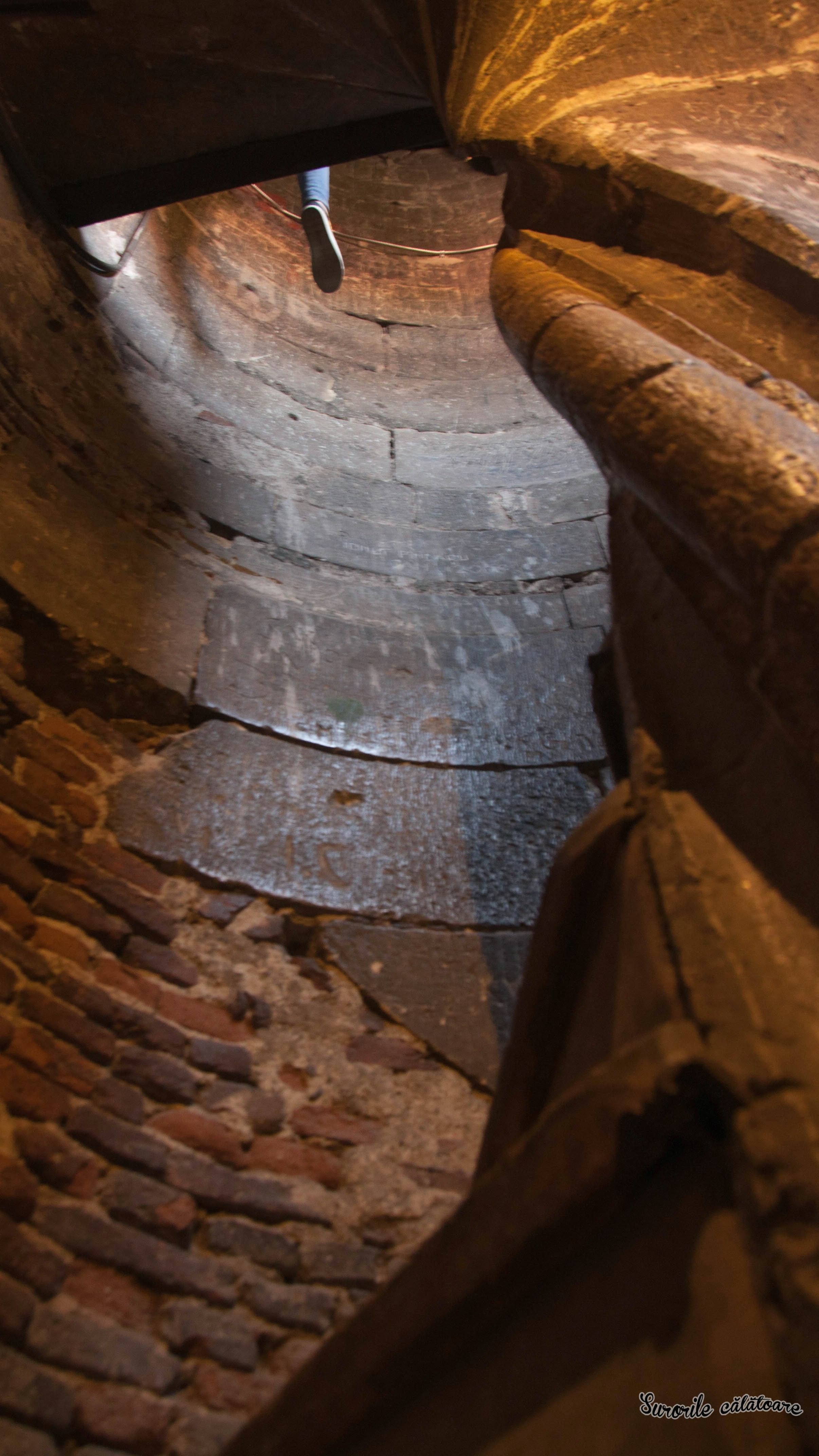
Coming down from the tower we descended into the Small Square, built between XIV-XVIth century. We could see the Evangelical Church on the left and decided to go there first and go back to the square. The church building process started in 1320 on the ruins of an old Romanic basilica. It was built in three stages, modified and then rehabilitated. The tower has seven levels and four tourrets which represented a sign that the town had the right to sentence someone to death. The organ in the church was installed in 1914, being the largest one in South-East Europe at the time. The entrance fee is 5 lei and if you also want to go to the tower, you pay 8 lei. Of course that we went up there, counting the 200 steps to the top, one scarier than the other. We thought that it would be an easy climb, that was until we got to climb some pretty abrupt stairs between scaffolds. You really don’t want to look down and see so much steel and construction around you. Pretty scary…
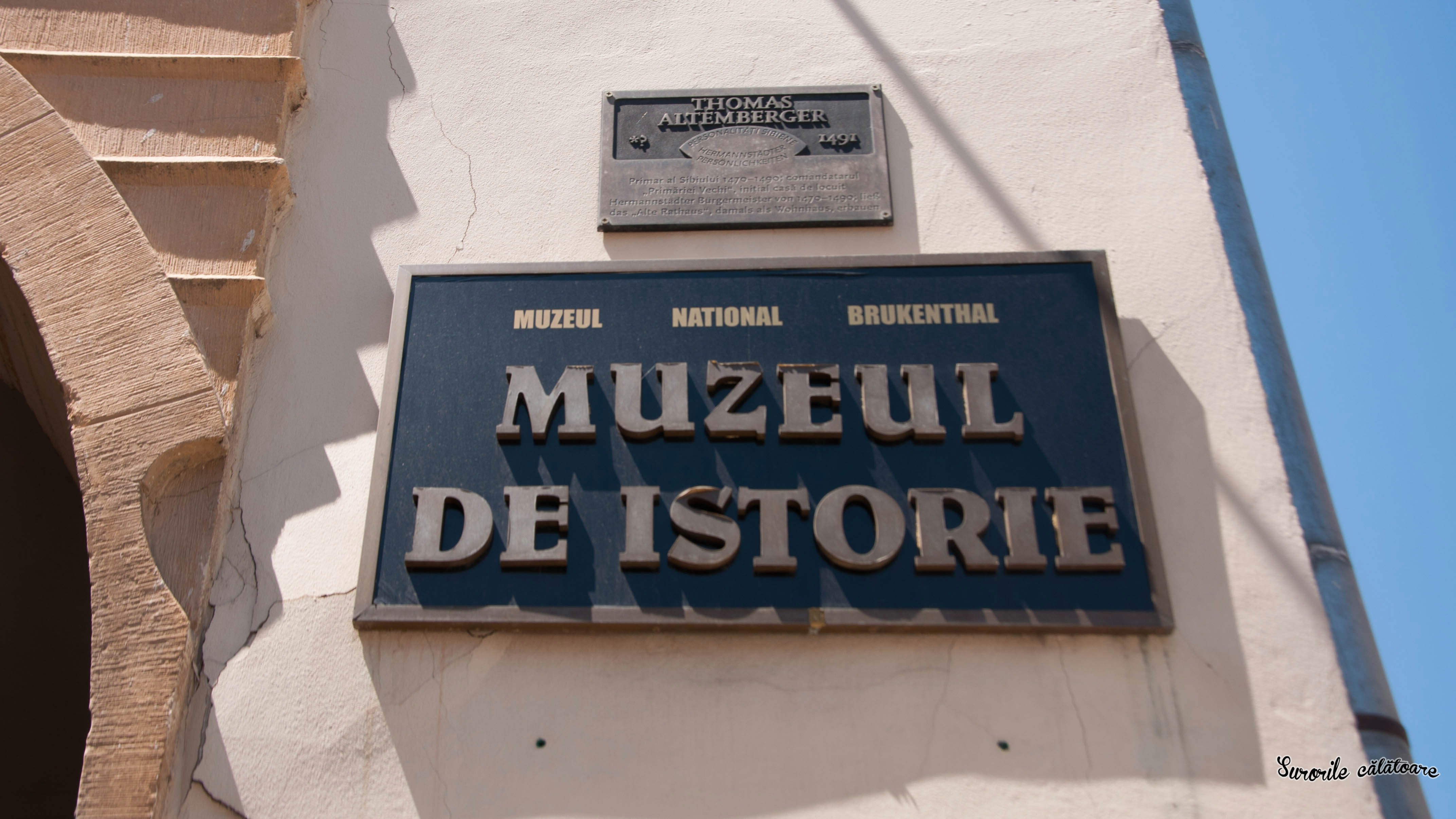
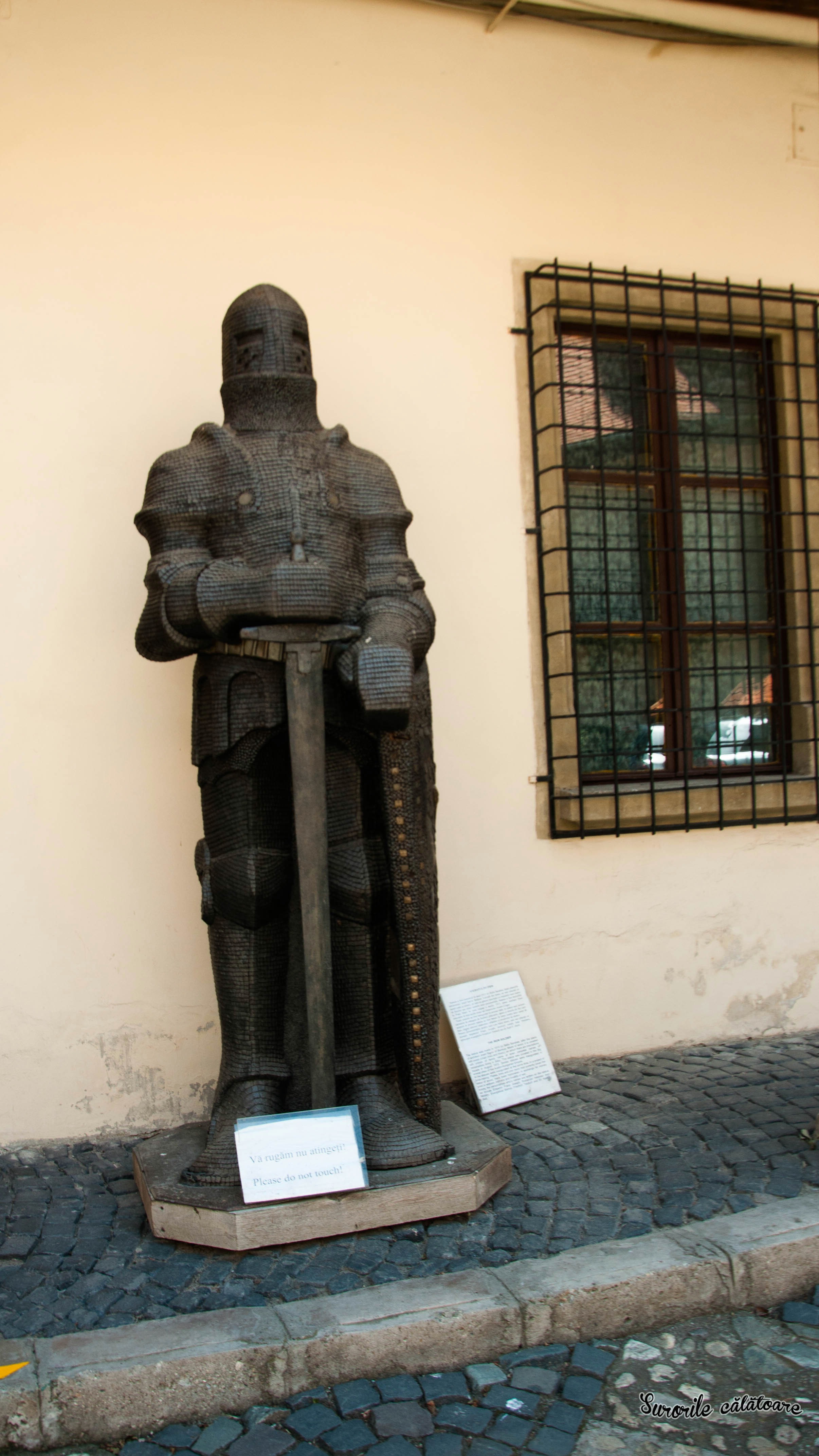
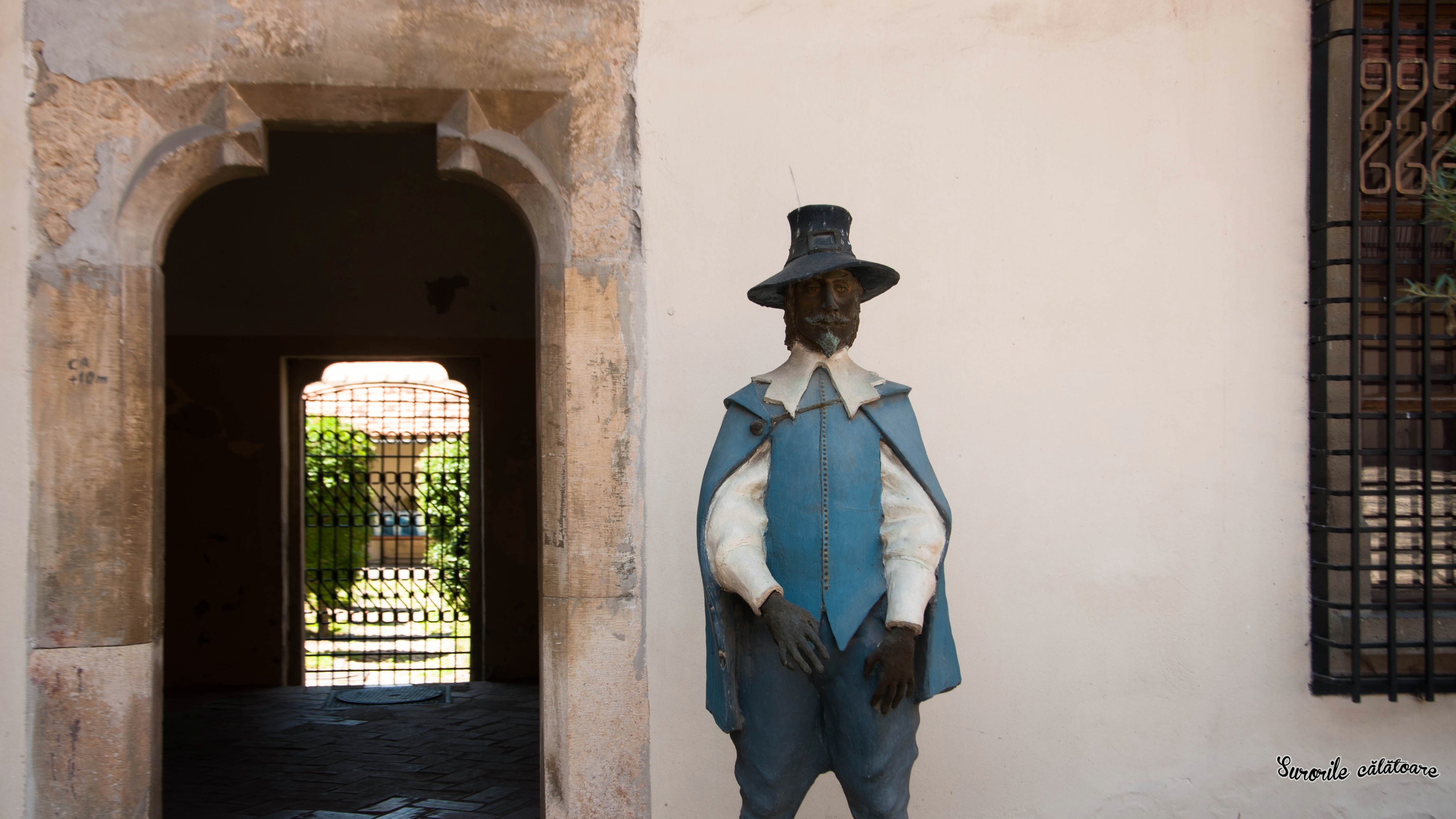
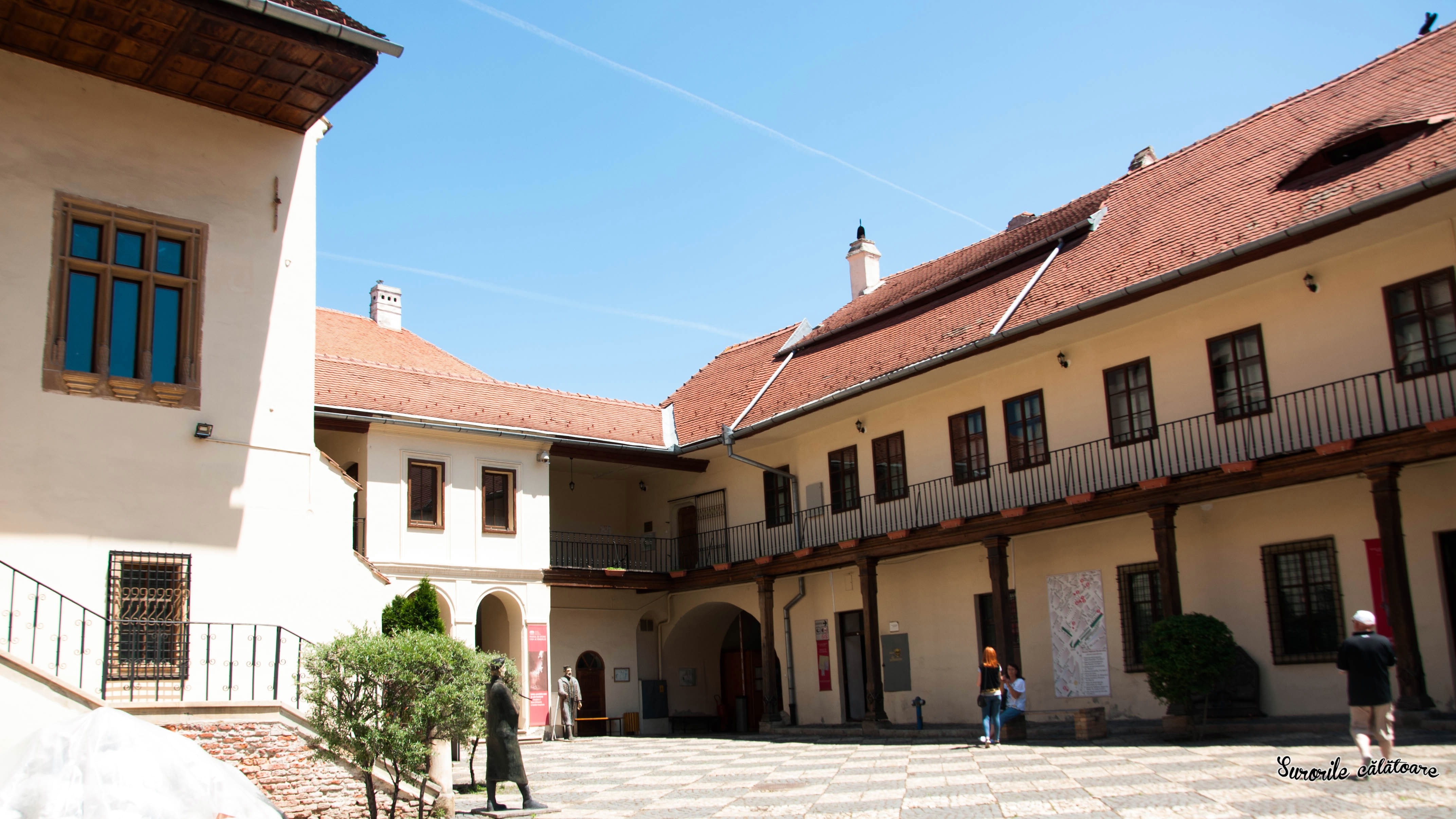
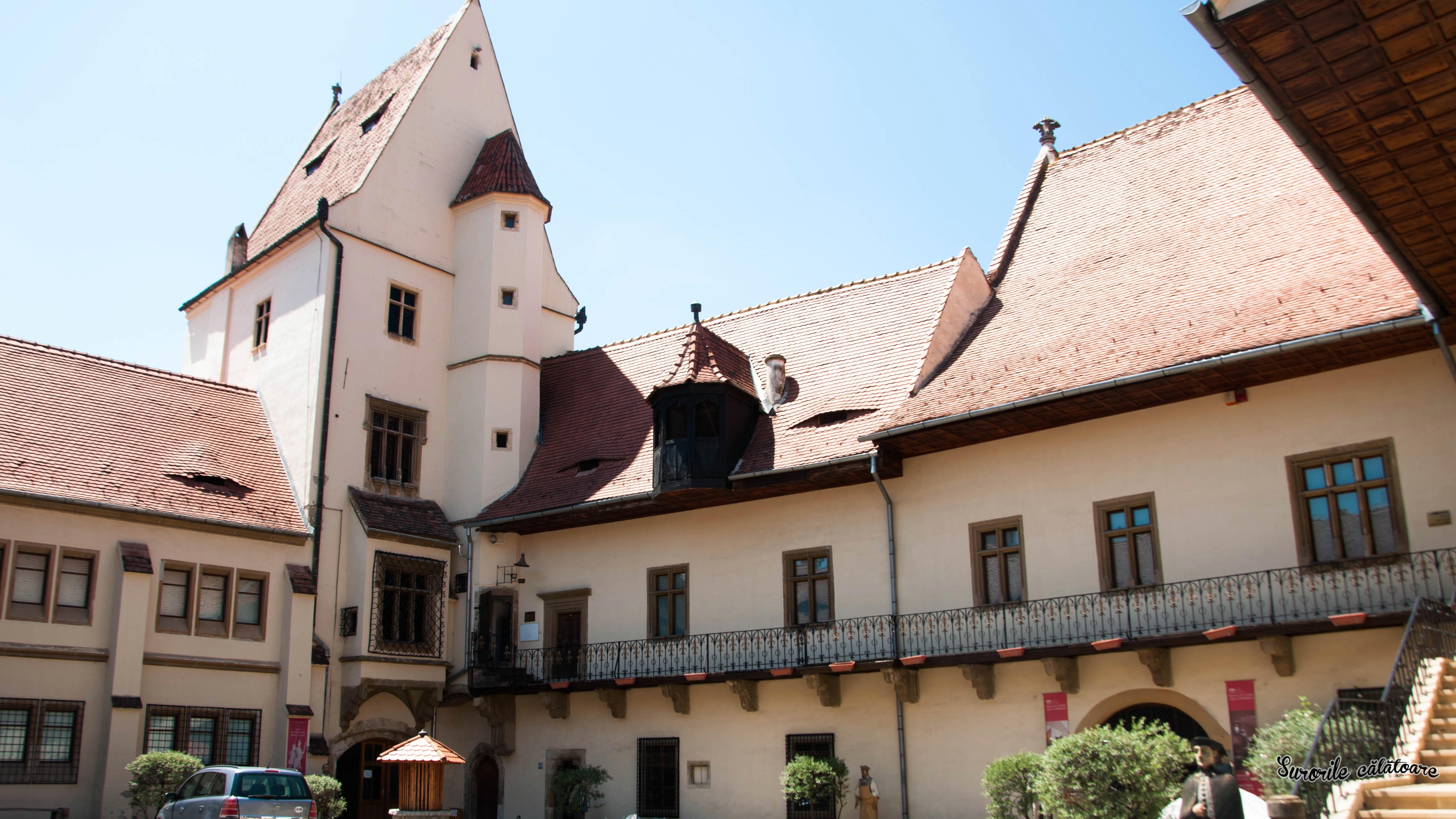
Walking from the Orthodox Cathedral we saw the Altemberger-Pempflinger House who used to be a prison and today hosts the History Museum and decided to go in and take some photos. We didn’t buy a ticket to visit the whole museum (20 lei) because we didn’t have time, we bought one for the inside yard which cost just 1 leu. What we found interesting is that instead of your regular ticket we got a postcard with a stamp on it.
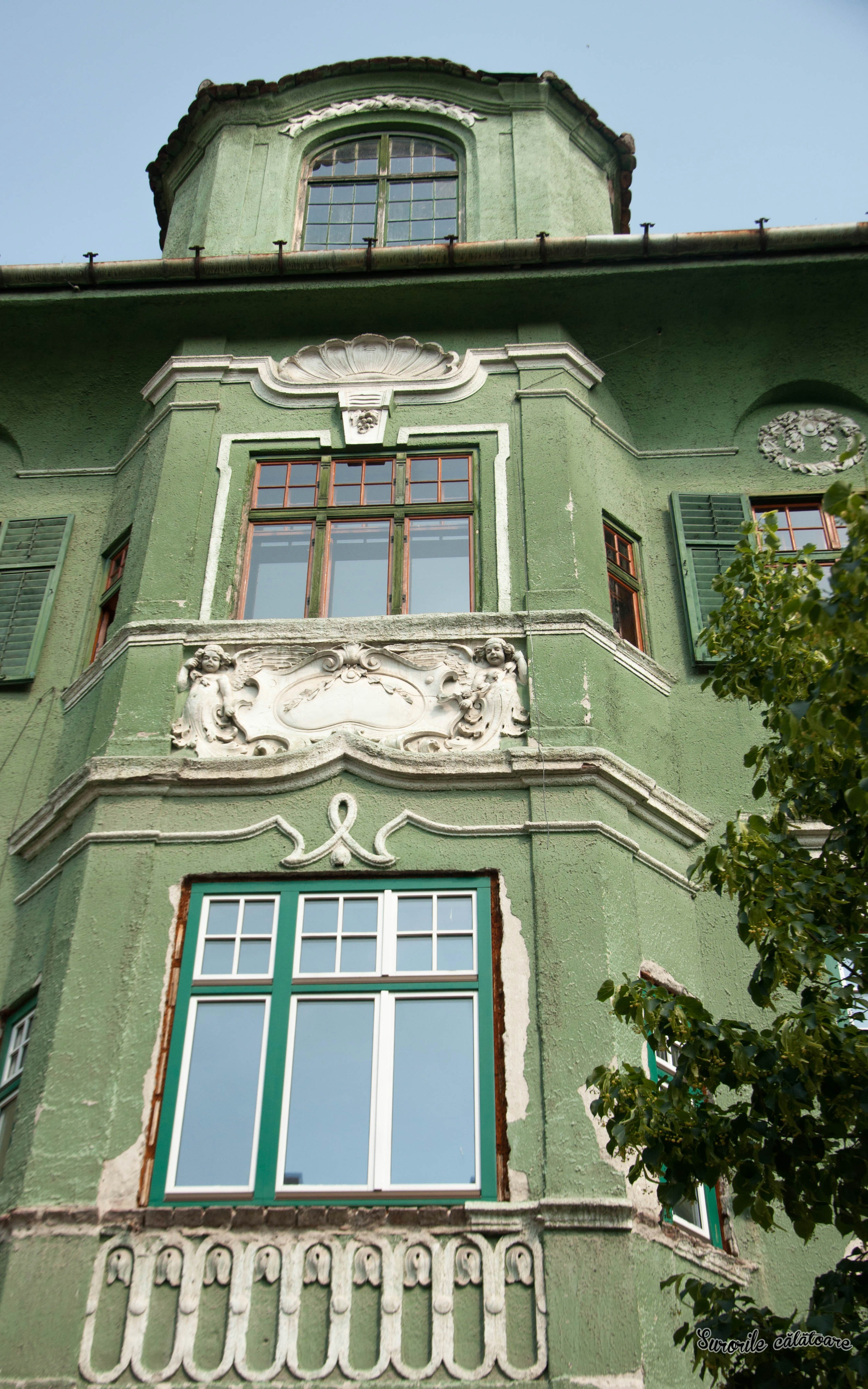
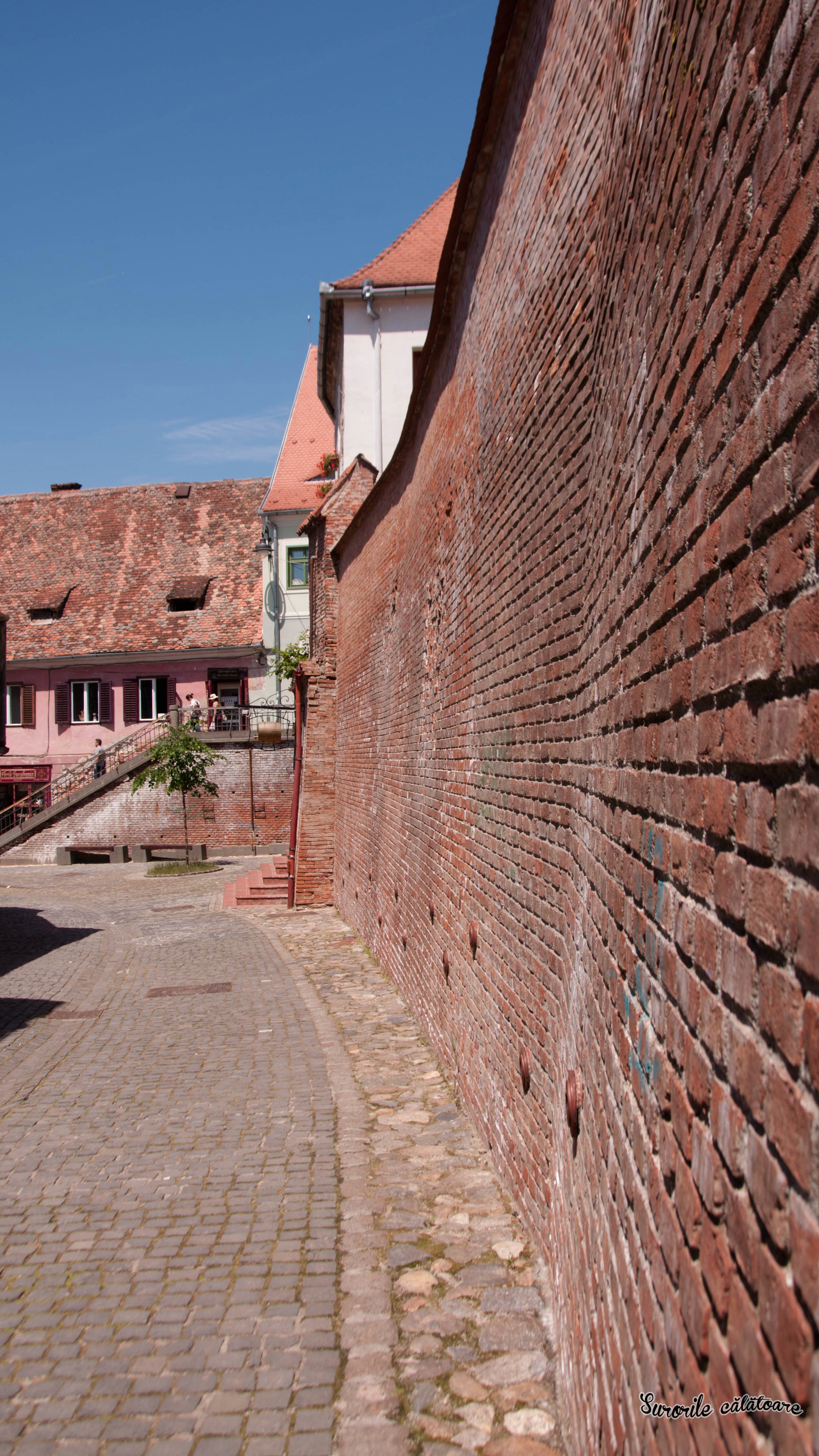
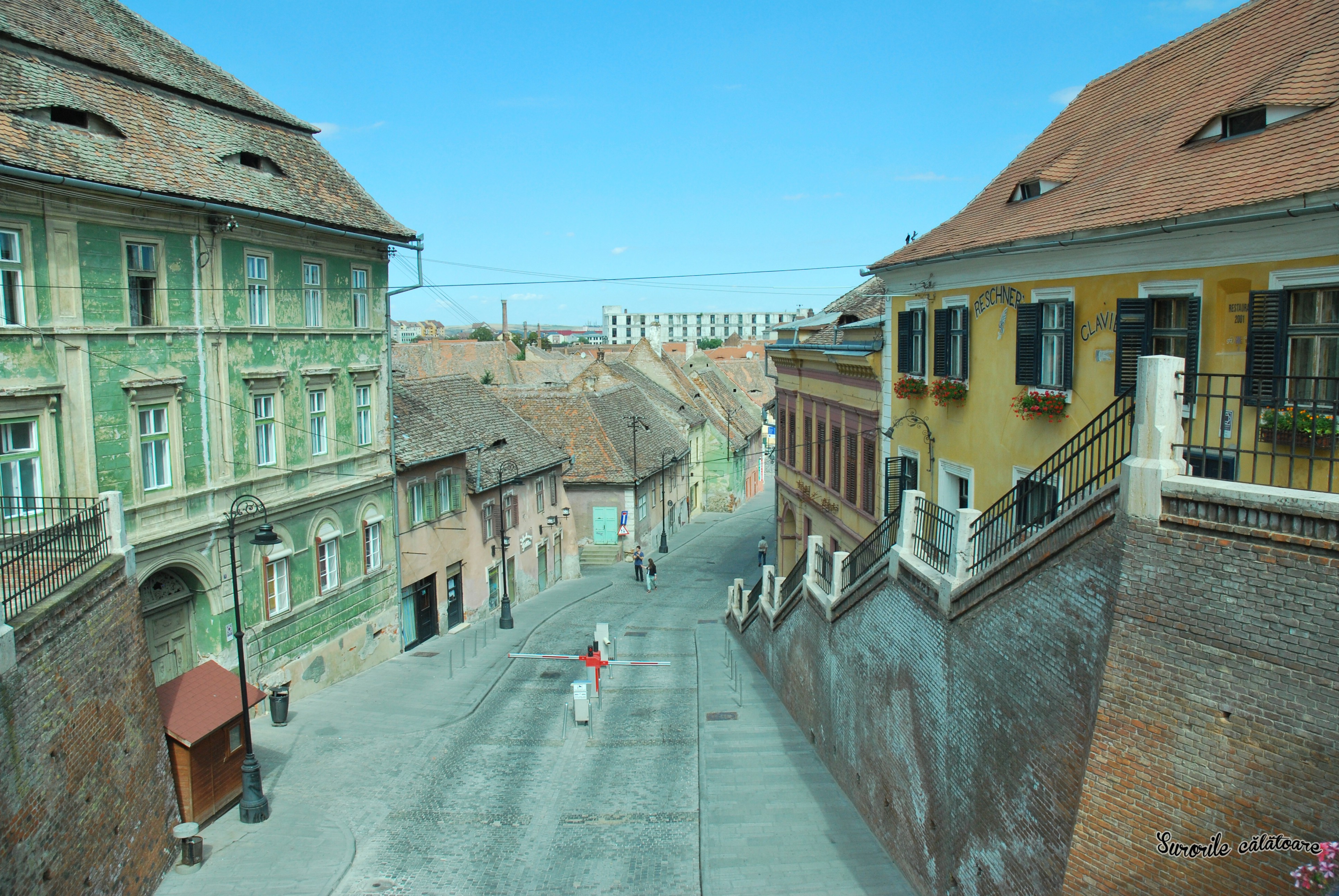
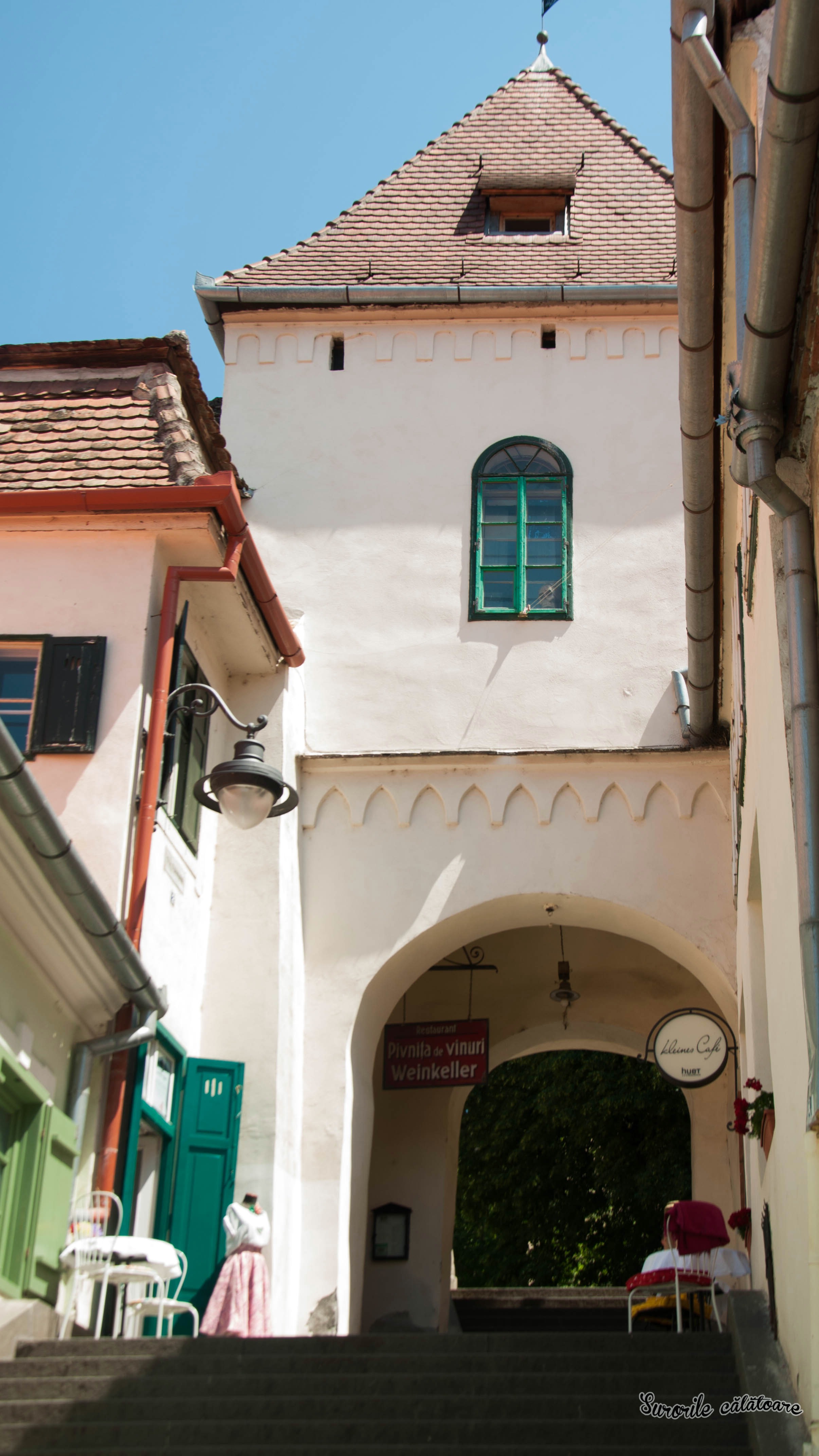
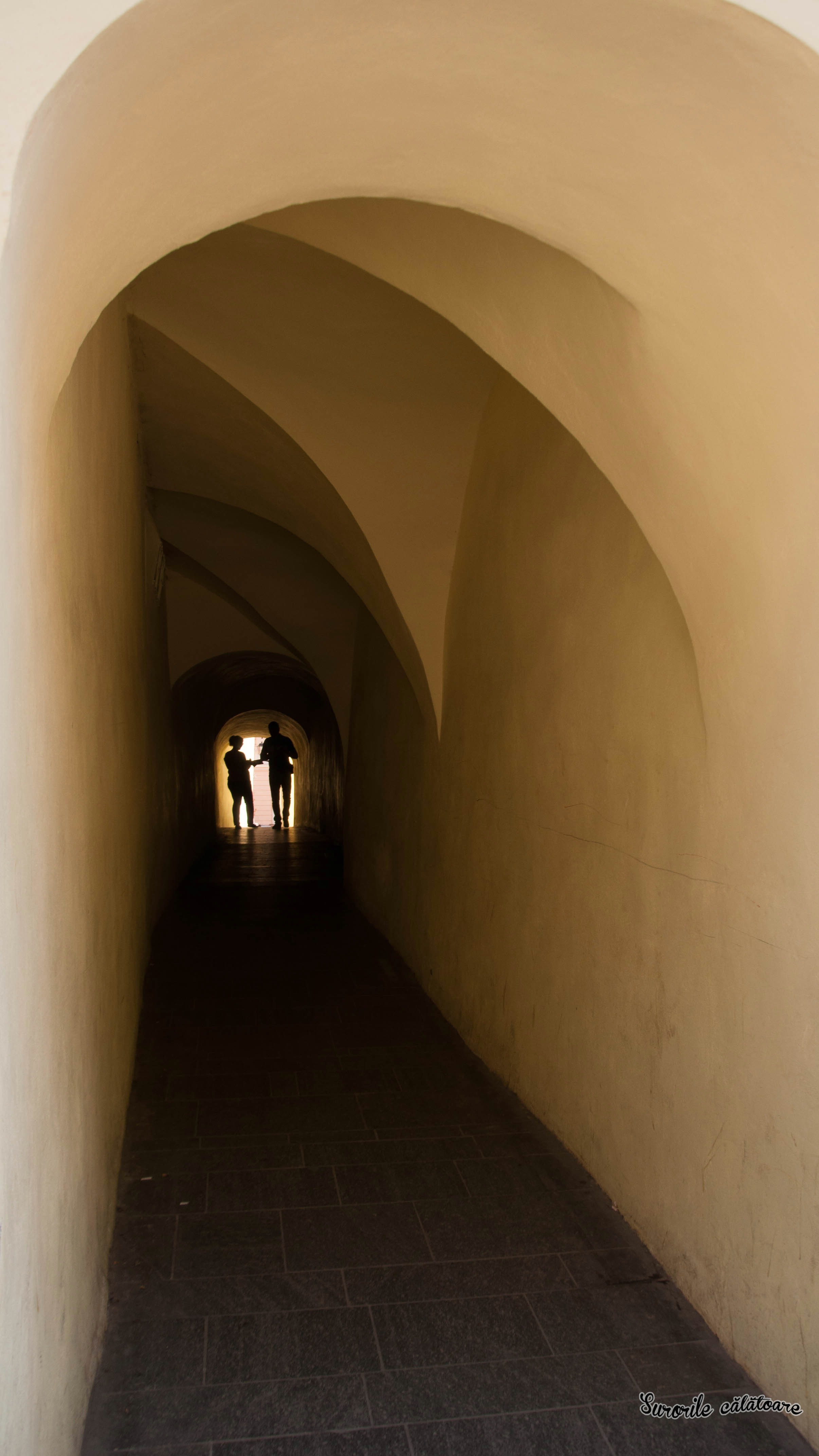
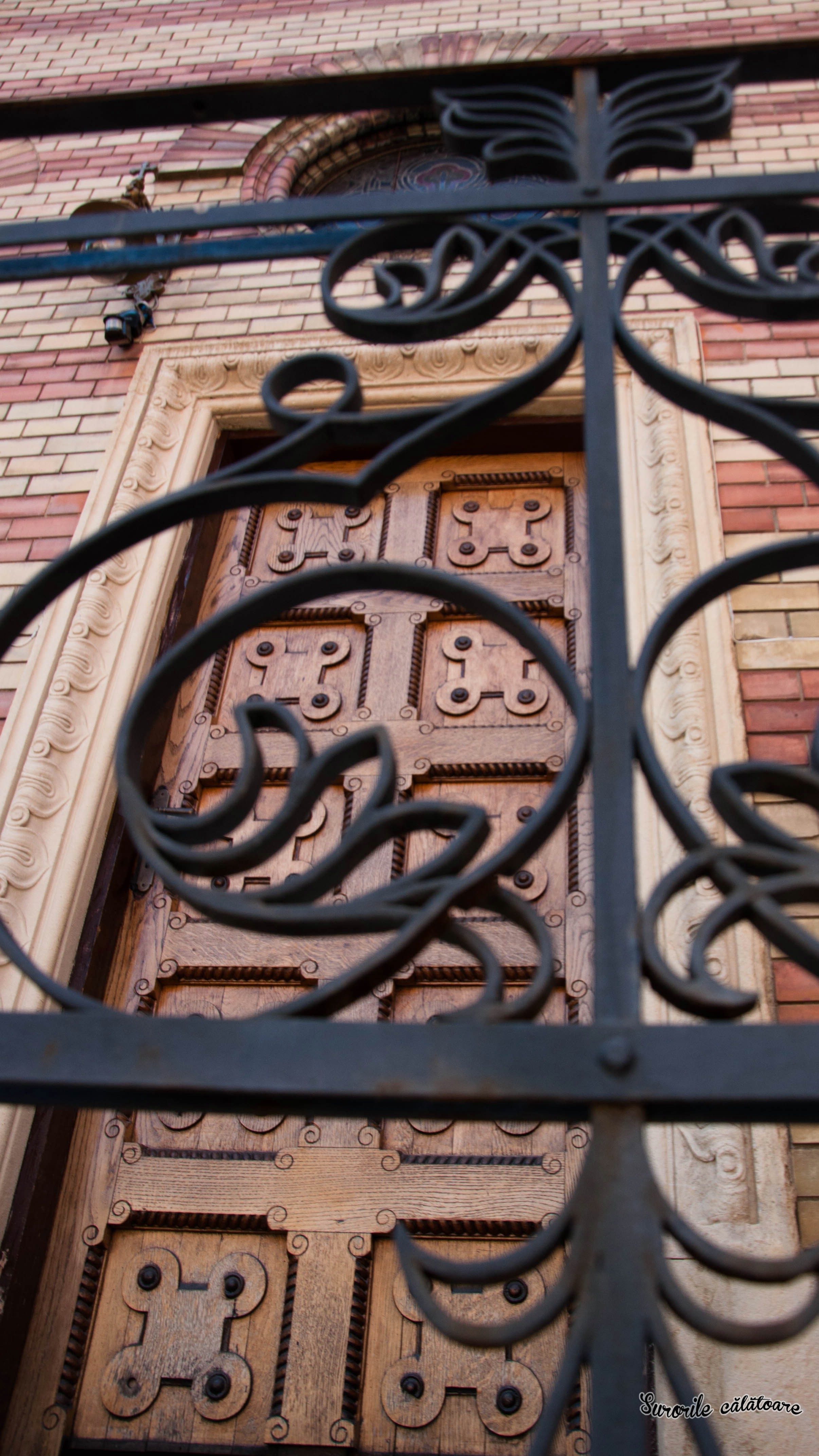
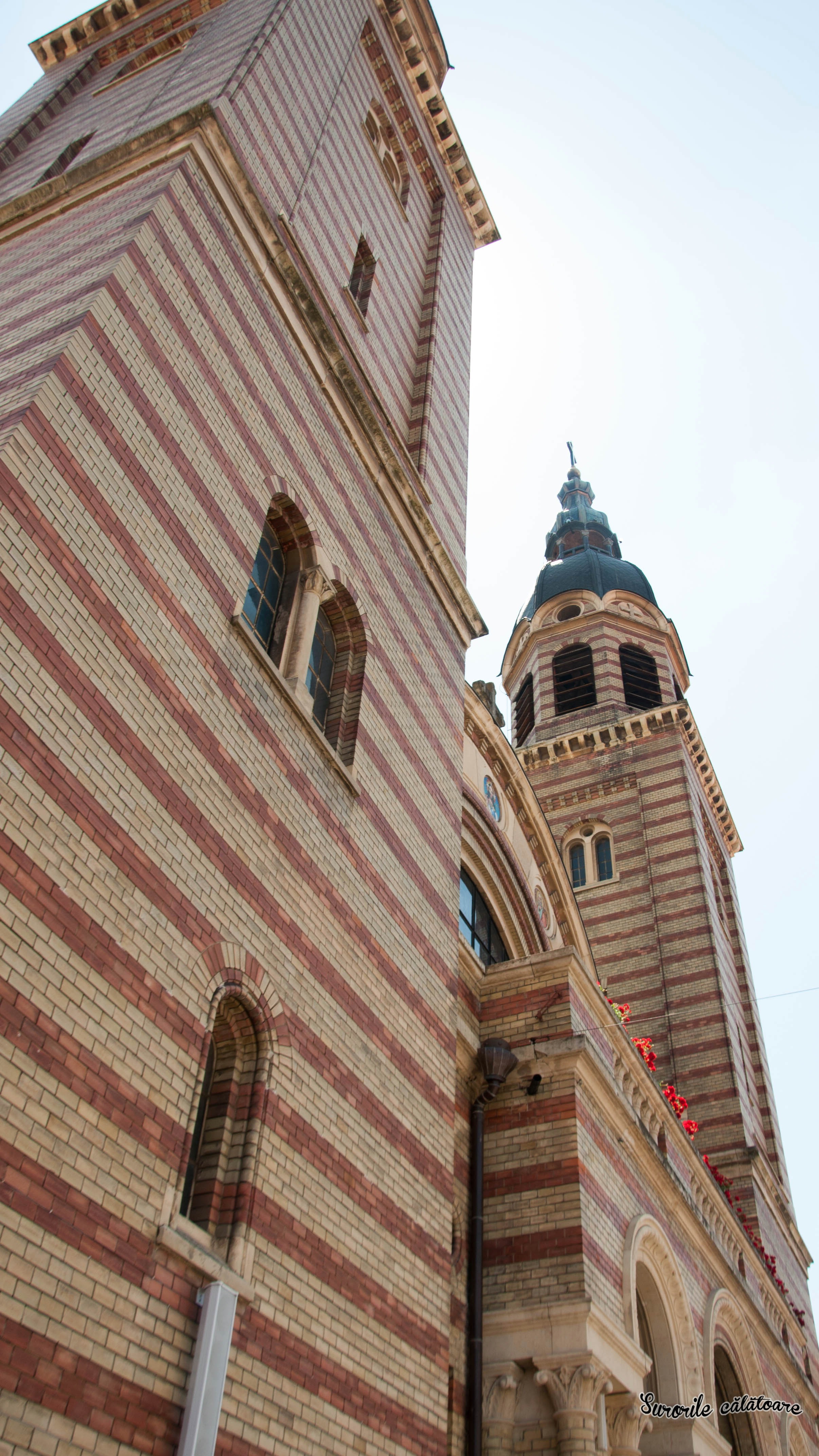
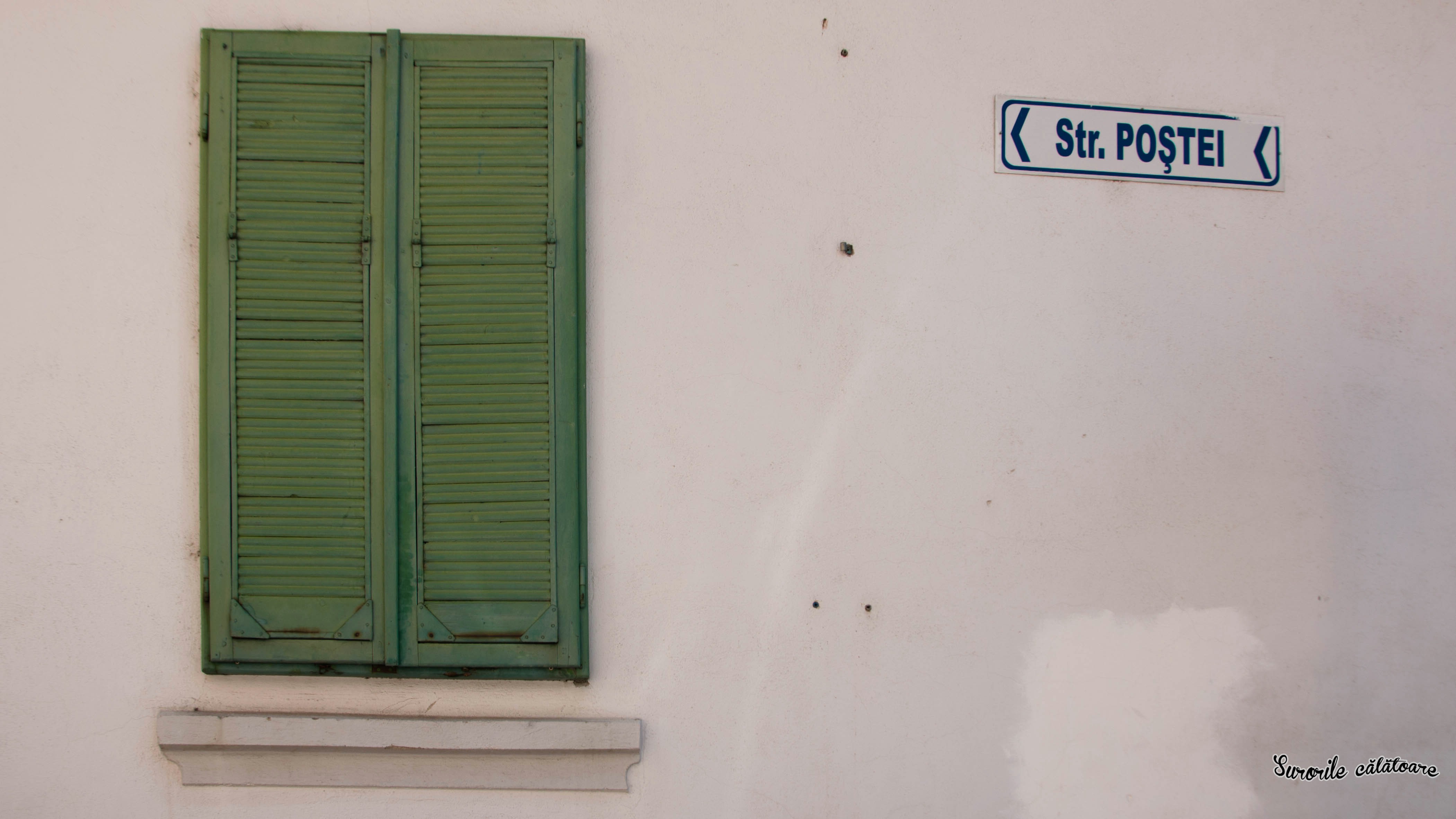
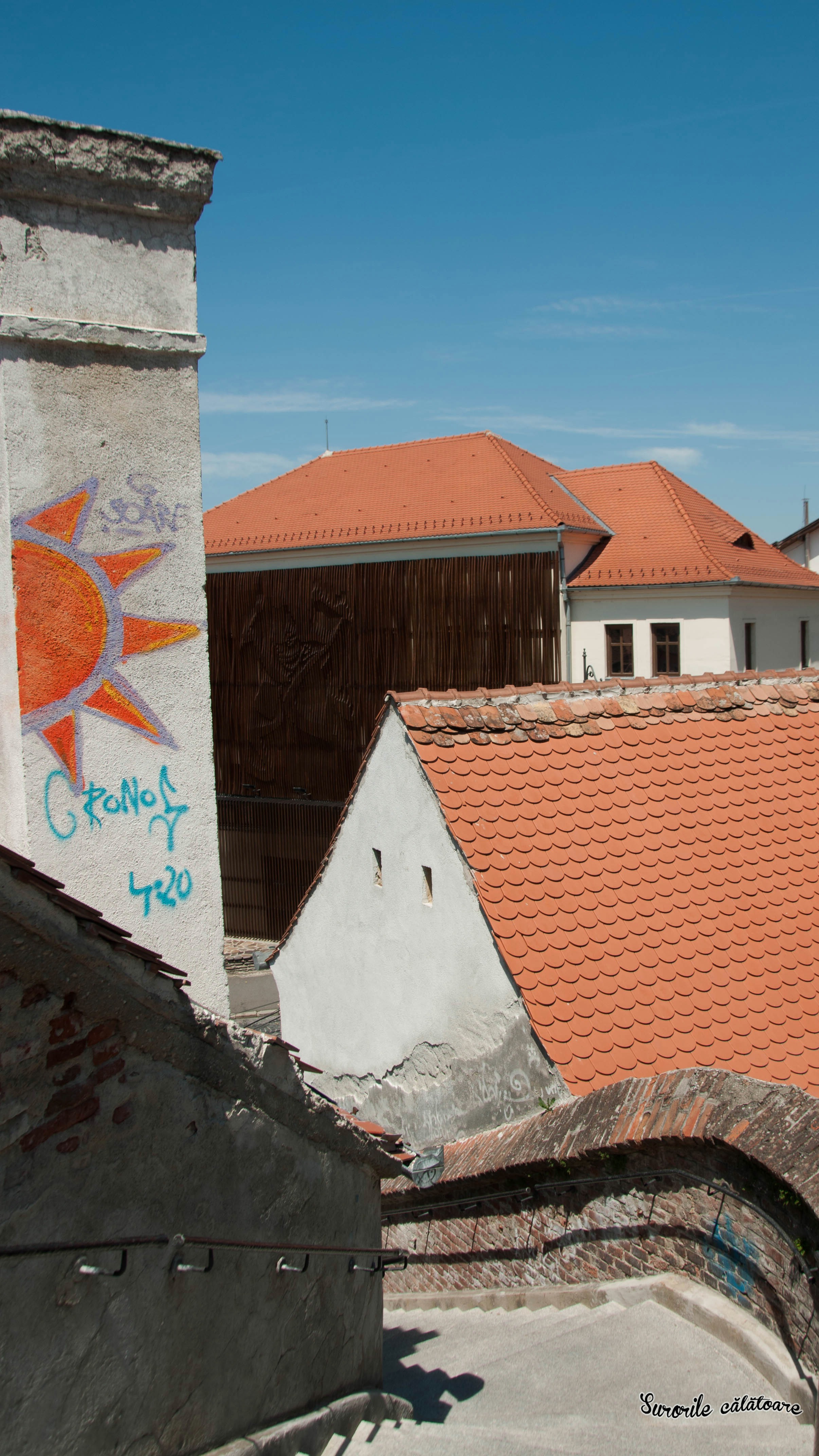
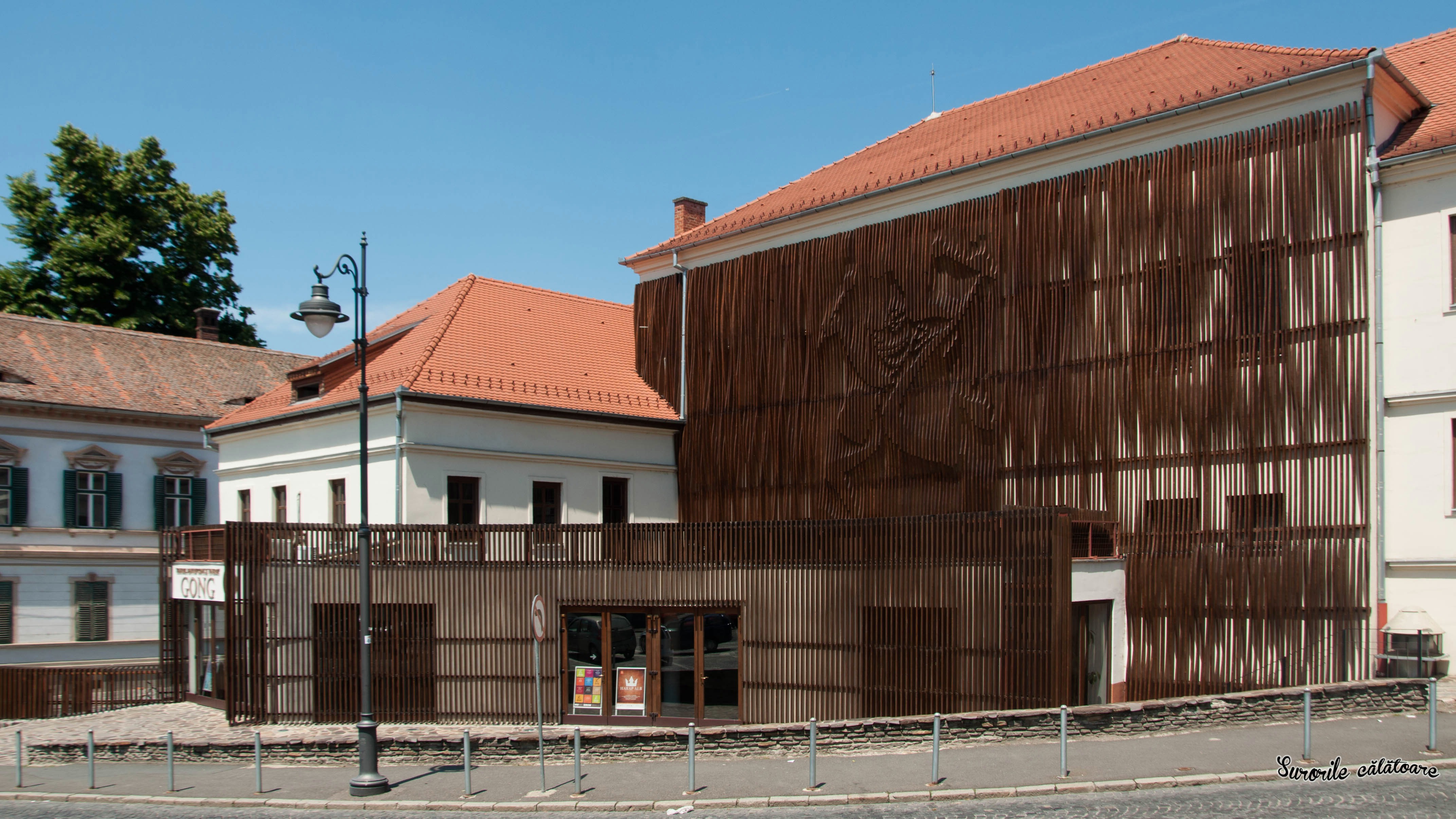
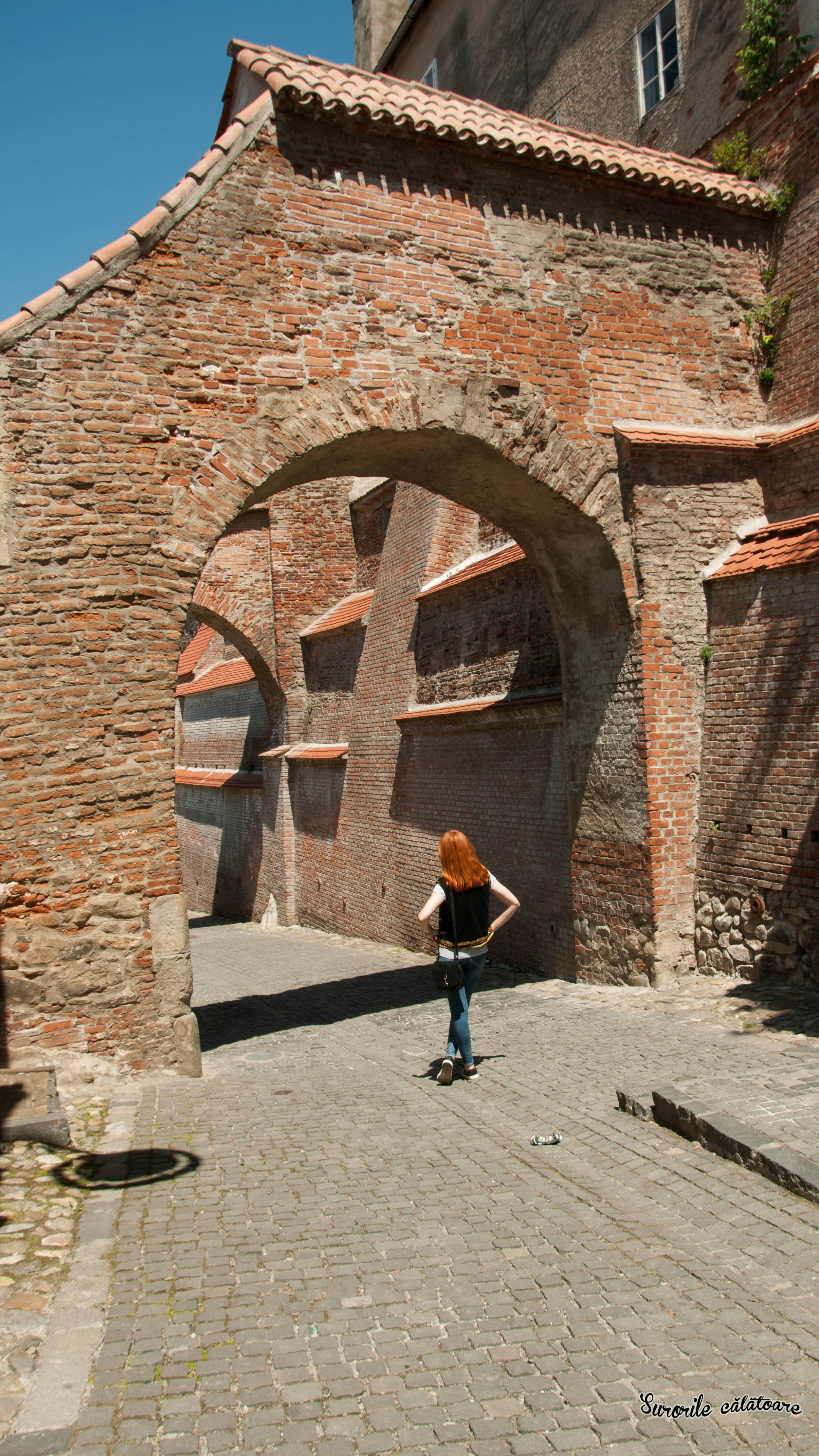
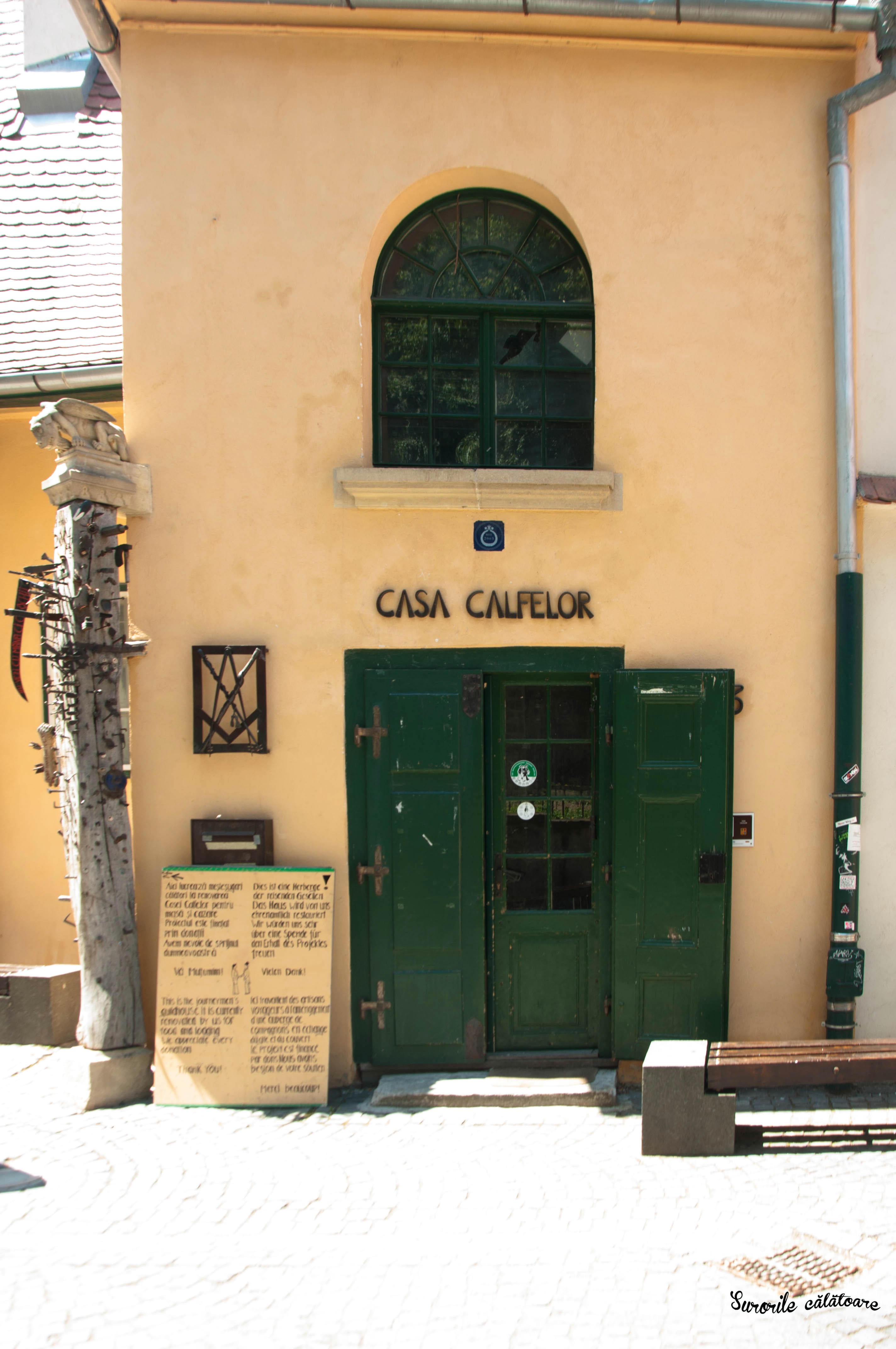
We left the Cathedral and decided to go on the smaller and older streets and see where they take us. We went on Posta Street, we went down the stairs and we came across the Gong Kids and Youth Theatre. From here we arrived at the Passage of the Stairs, all brick and that’s like a gate between the Lower and Upper Town. We arrived at Huet Square and see the Journeymen’s House. You may wonder who these mysterious Journeymen are and what do they do. We were also curious and after finding out, we’ll share this with you. Ever since the Middle Ages, the traveling journeymen are young people wandering, going far away from home in order to gain experience in different crafts. At the end of they journey they are supposed to become skilled craftsmen.
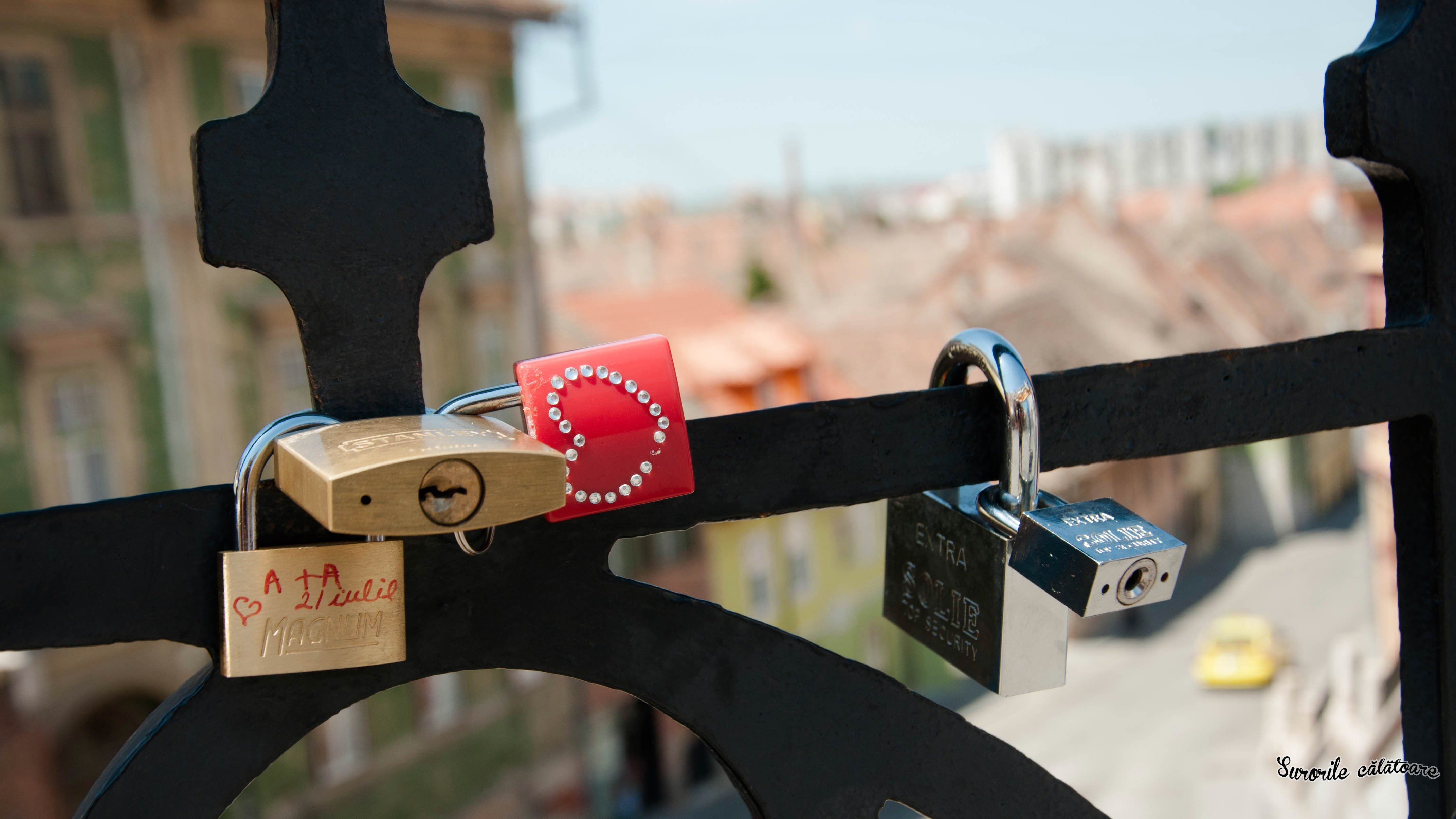
From Huet Square we immediately arrived to the Small Square and on Ocnei street you can find the Bridge of Lies. The cast iron bridge that we tread upon today was built in 1959, being the first of this kind throughout Romania’s present territory and the second one in Europe. Some passers-by are reluctant to set foot on the bridge and others are paying attention to every step they take. The legend says that the bridge won’t crumble under your feet at some tiny lie, but it at least shake you a little.