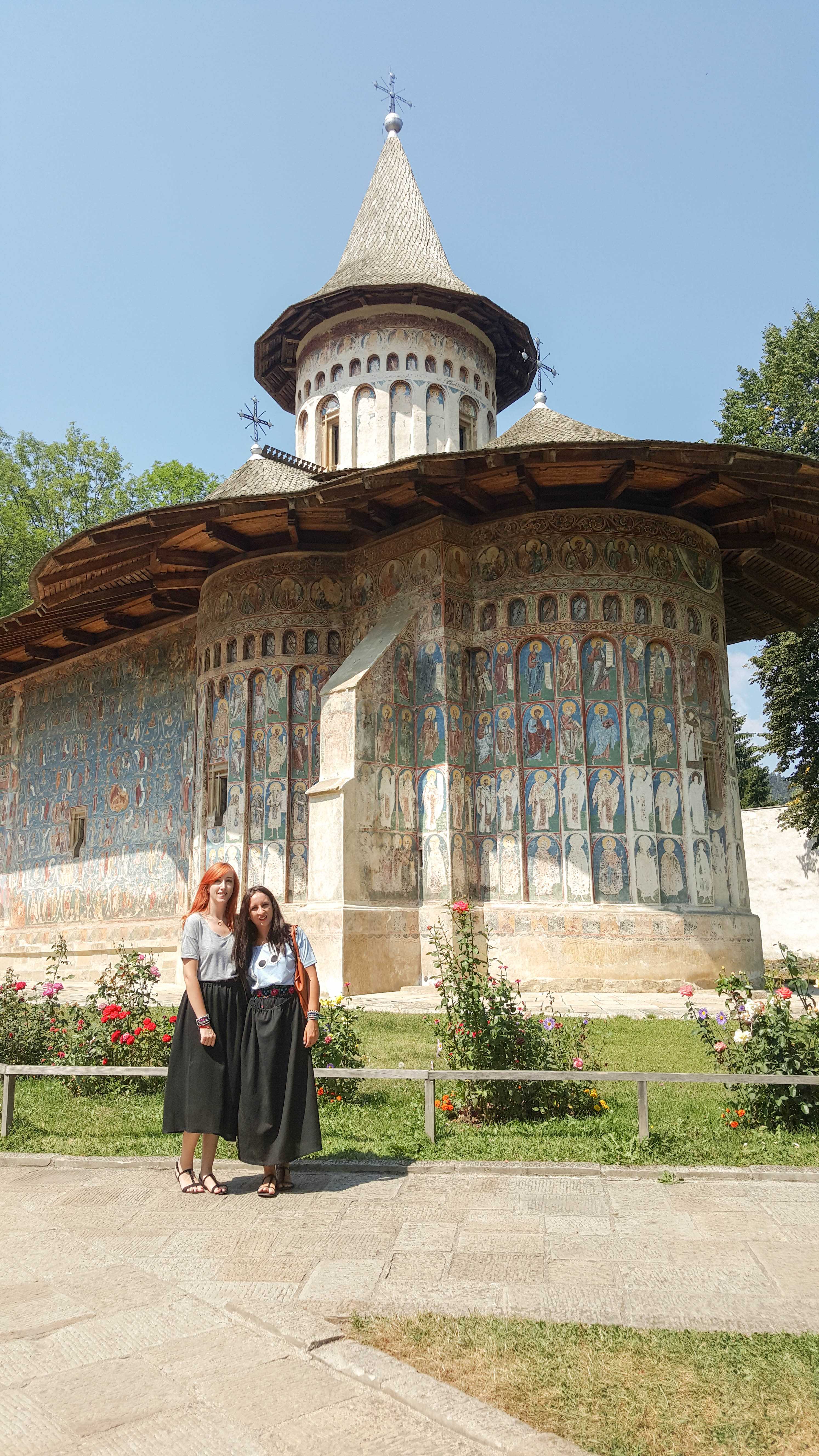
The painted Monasteries in Bukovina
For a few days in August, the traveling sisters take their family and rediscover Romania. This year we chose Bukovina because we’ve never been and wanted to see what the deal is with the famous monasteries. We’re from Valcea county and after Moldova region it has the most monasteries so we’re not that easily impressed. If you haven’t seen the ones in Valcea, Valcea Monahala can be very helpful. We know that Bukovina has many monasteries worth visiting, but since we didn’t have that much time we made a list with the most important and famous ones and hit the road.
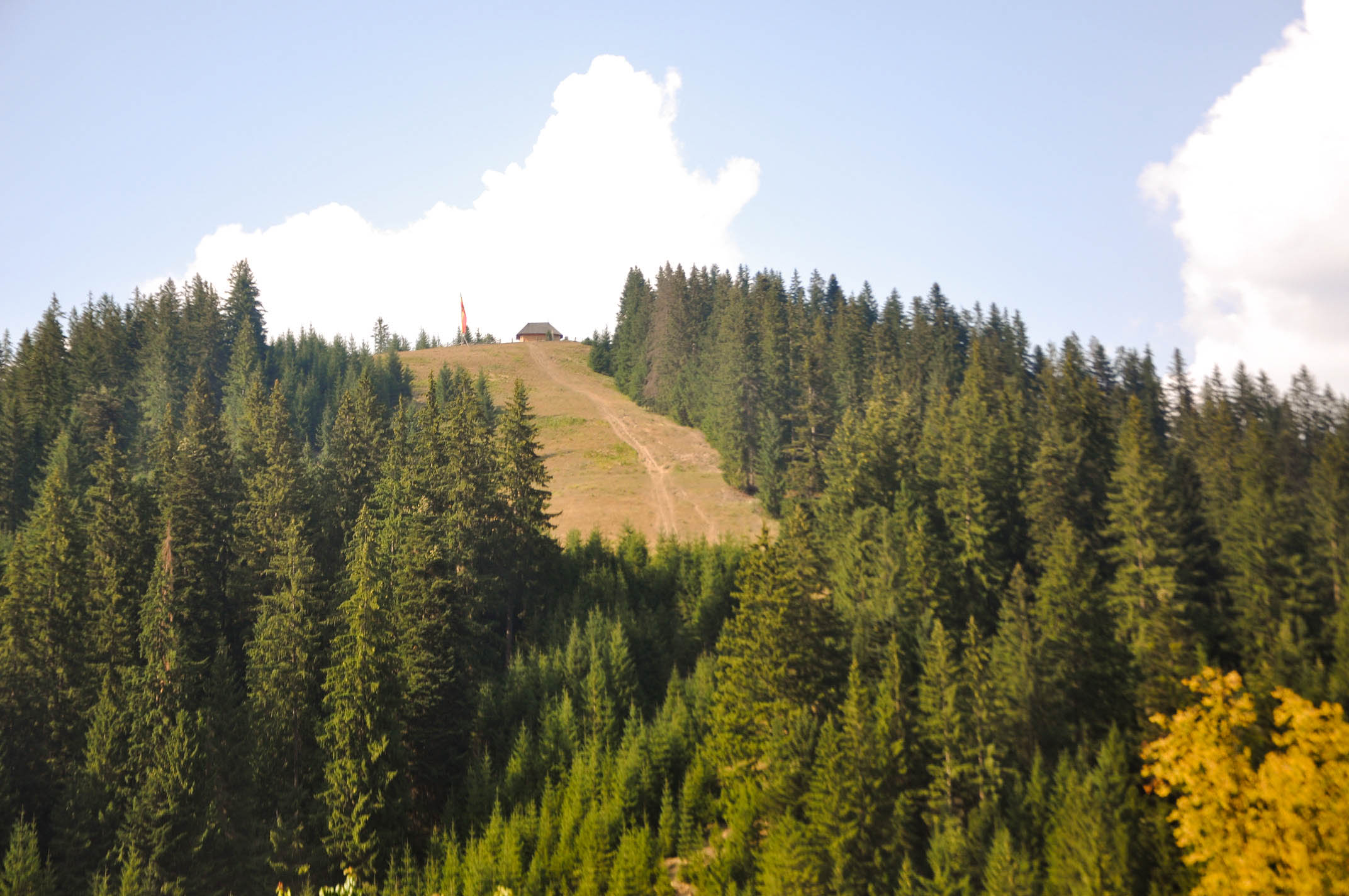
Humor Monastery was our first stop because we stayed in Manastirea Gura Humorului village closer to this monastery. It was built in 1530 by Toader Bubuiog. It is a nuns monastery dedicated to the Dormition of Virgin Mary and was fortified in 1641 by Vasile Lupu. The outside walls are painted and the frescoes are painted in the same style like the other monasteries in the area, the blue being more beautiful than the Voronet one.
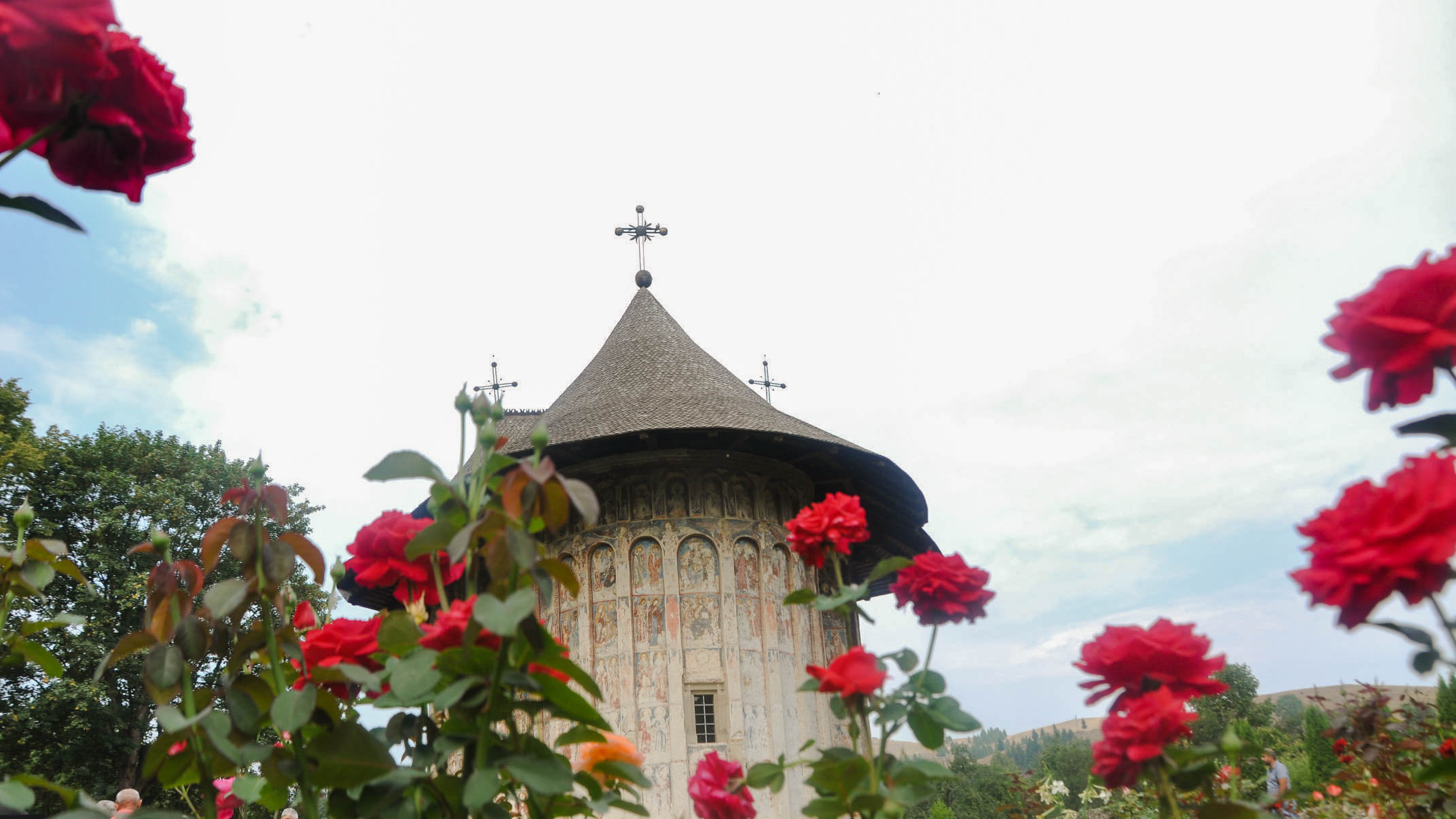
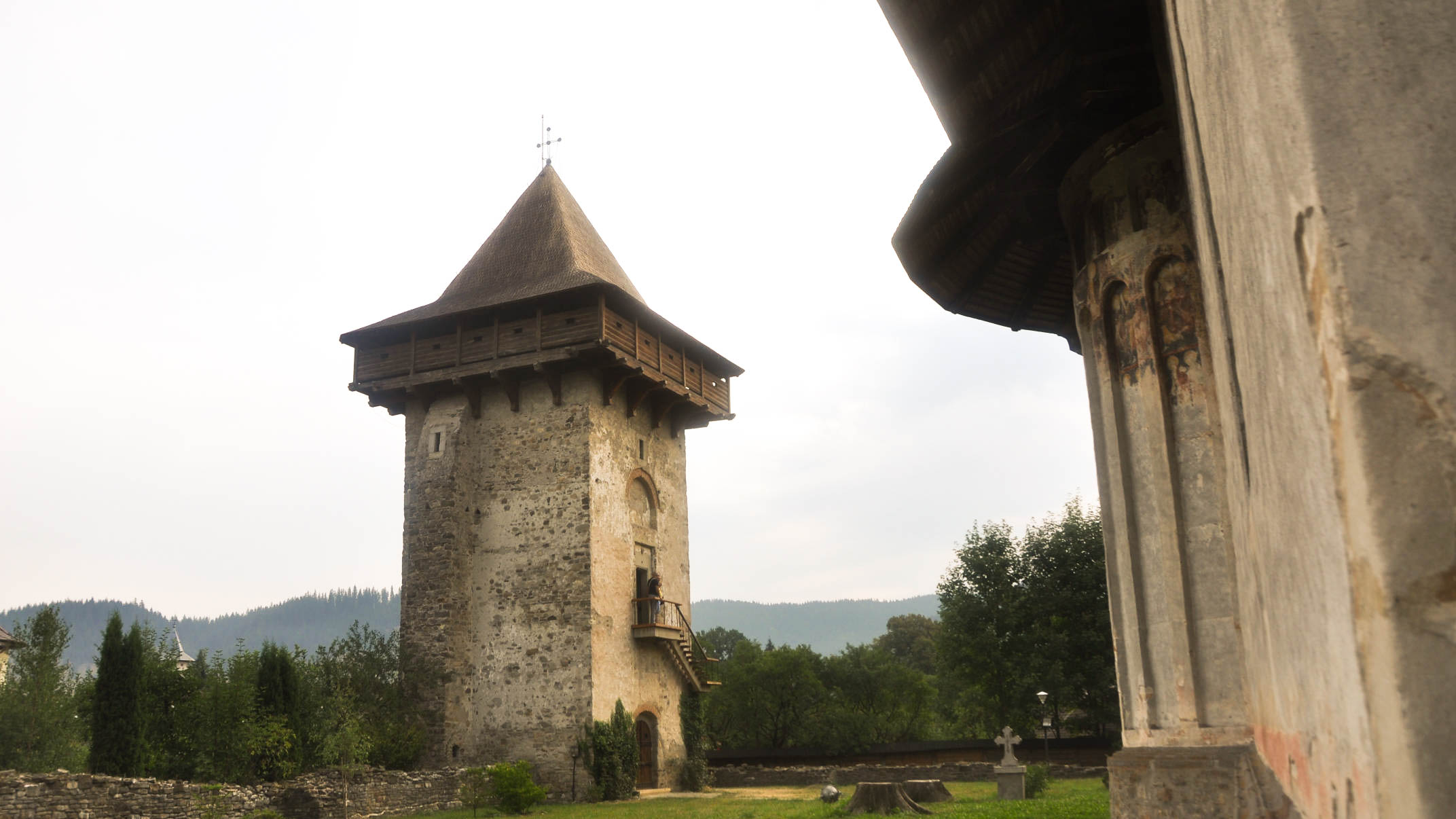
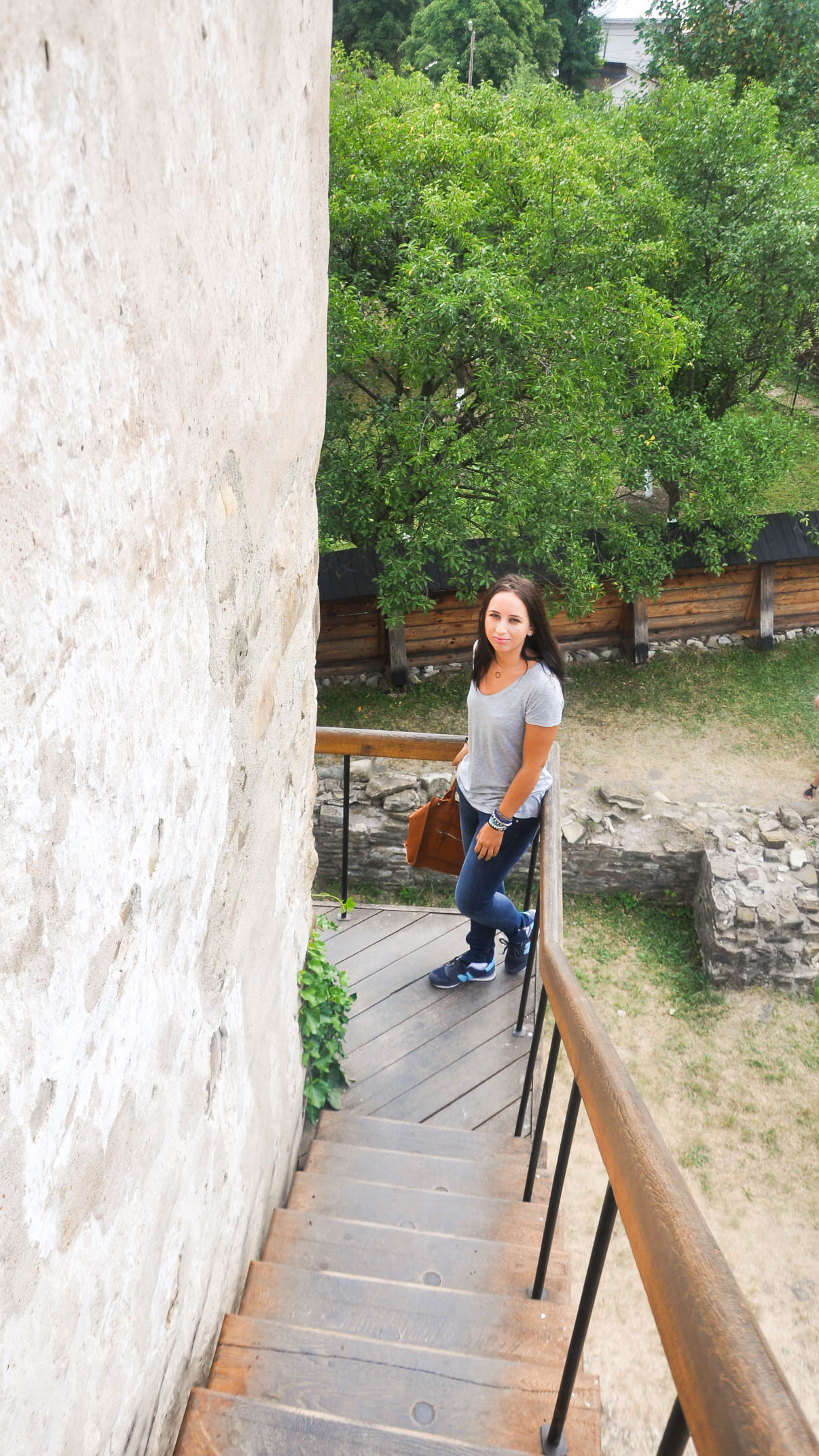
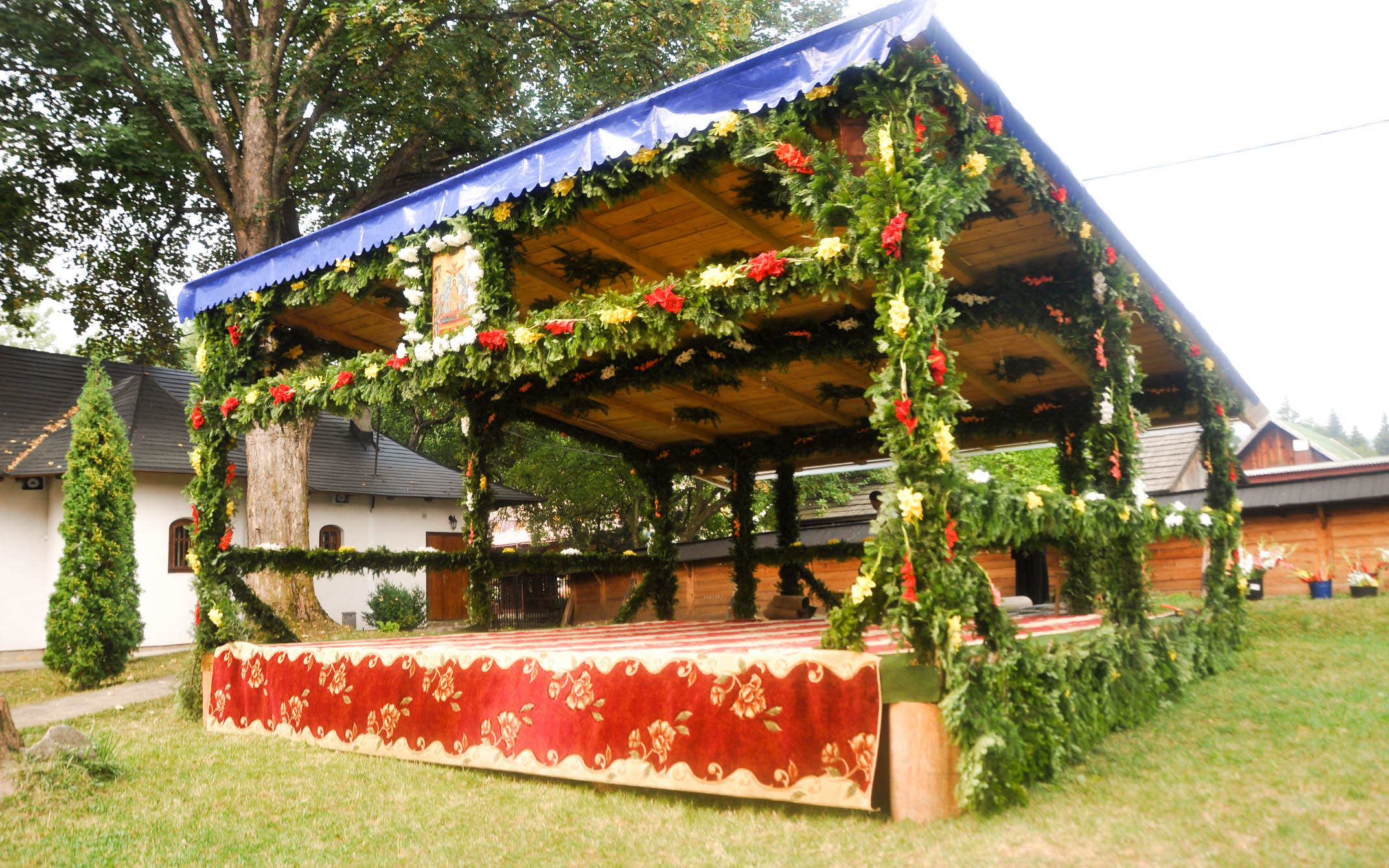
Then there was Putna, which left us a little disappointed. Since it is dedicated to the Dormition of Virgin Mary celebrated on August 15th, a day after our visit, the whole village was preparing for the celebration. On the street leading to the monastery you felt like you were going to a carnival, being surrounded by lots of souvenirs stands, food and drink stands and all sorts of toys, making it extremely commercial.
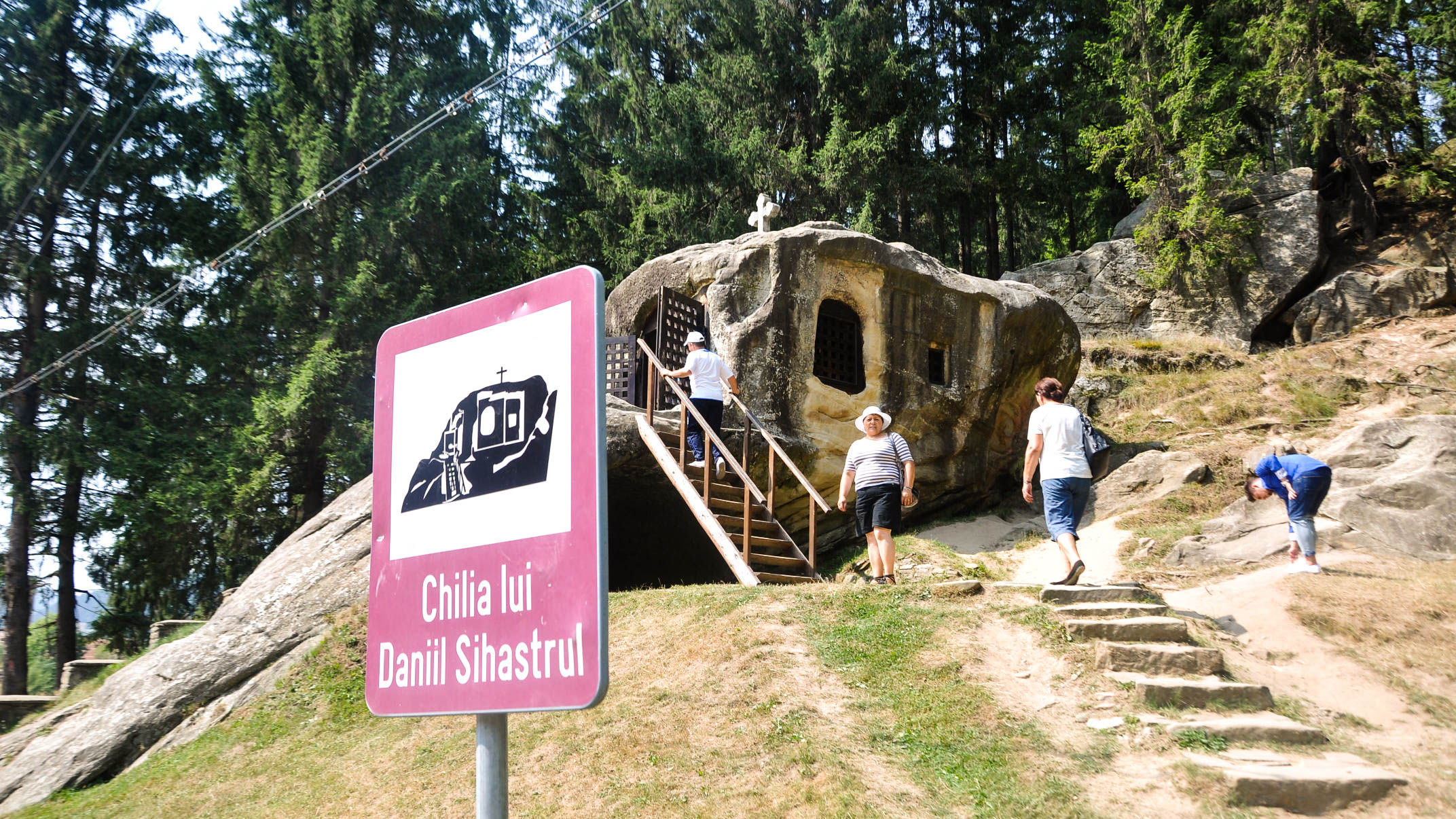
Putna is the first monastery built by Prince Stephen the Great, it being the place where he is buried along with his family. The construction started in 1466 and finished in 1469. You can’t go to Putna and not go to Daniel the Hermit cave, in the forest nearby. The monk Daniel chose at one point in his life to withdraw in hermitage to lead a life dedicated to the Lord for 20 years. He found a rock and he carved a small room inside, a place that become visited by many Christians who came to him for advice.
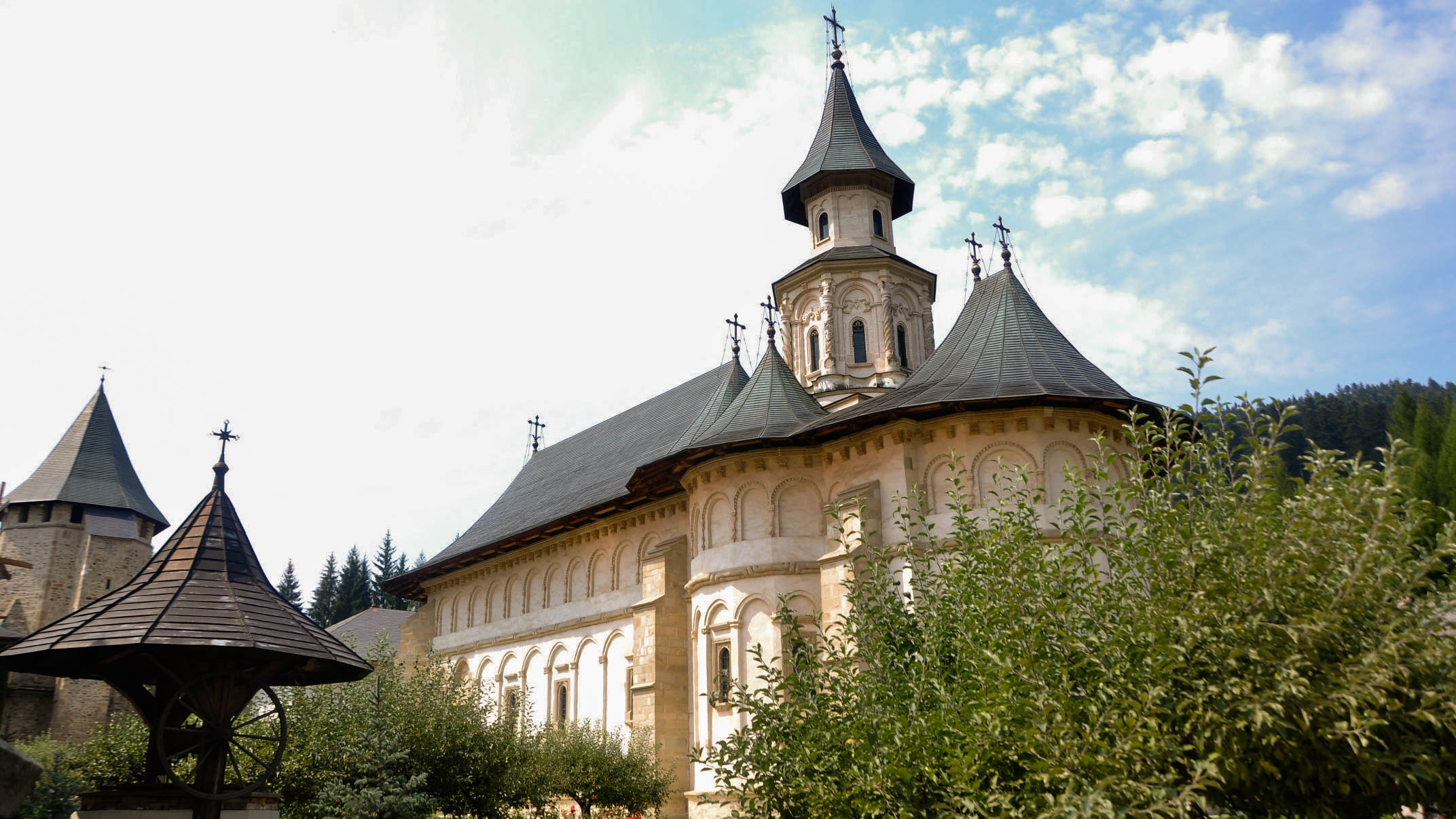
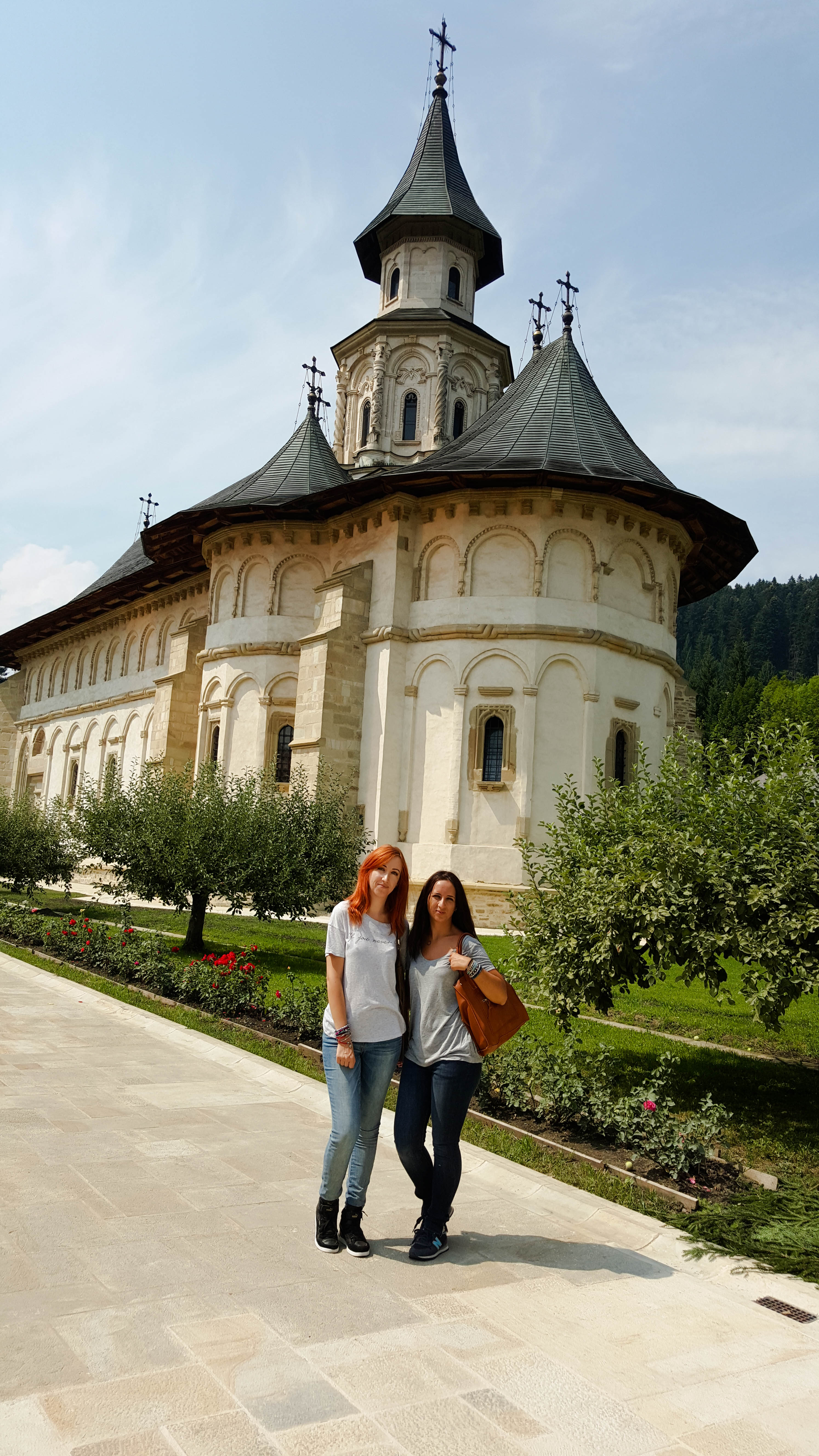
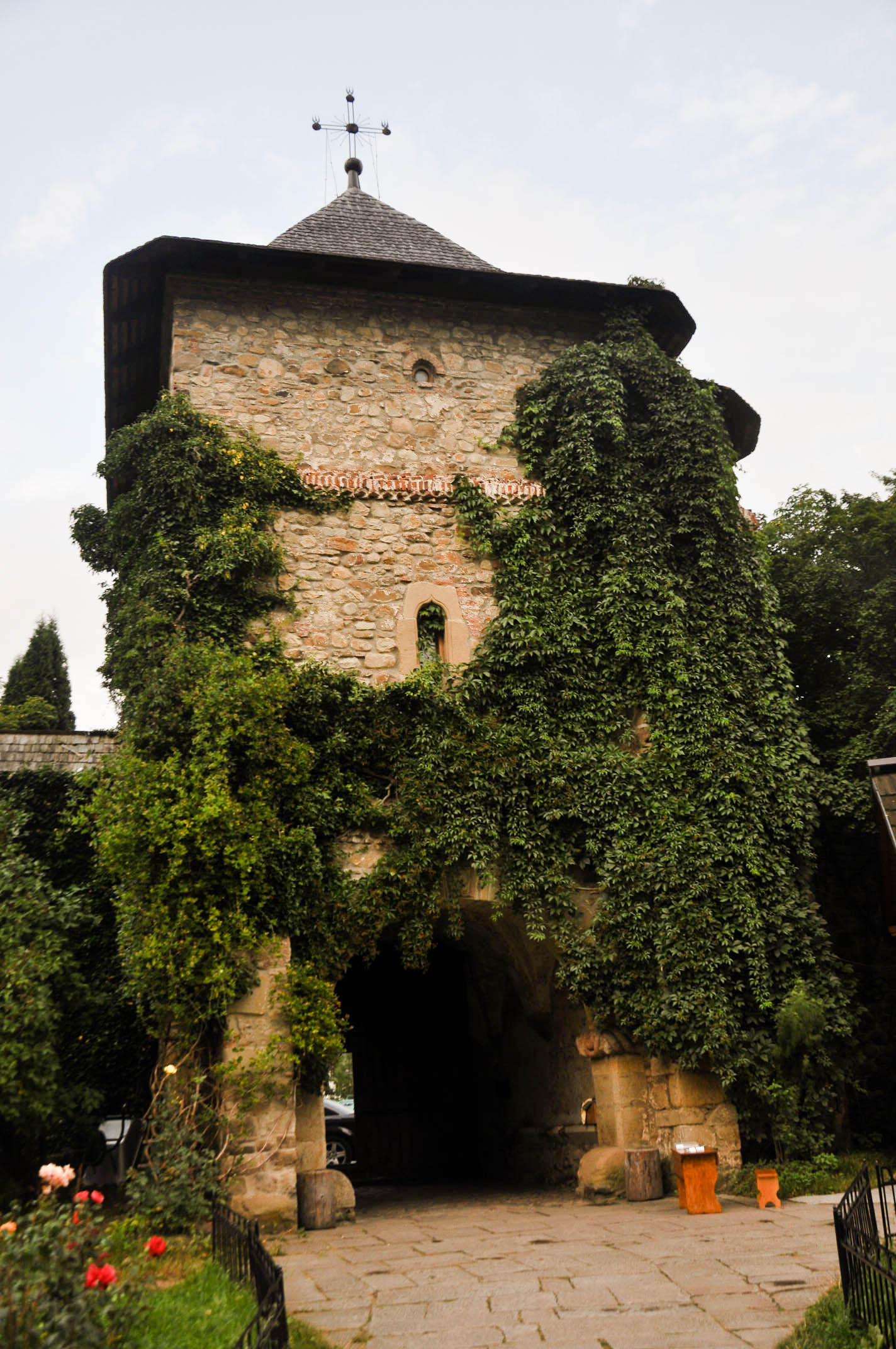
Next on the list was Moldovita Monastery, built in 1532 by Petru Rares, the son of Stephen the Great, painted in 1537 on inside and outside walls, being one of the eight monasteries in Northern Moldavia with frescoes painted on the outer walls. One of the focus points of the monastery is the outside paintings on the Southern walls of the church, still in very well preserved. The Monastery was included in UNESCO World Heritage list in 1993, its architecture combining elements of Byzantine and Gothic style.
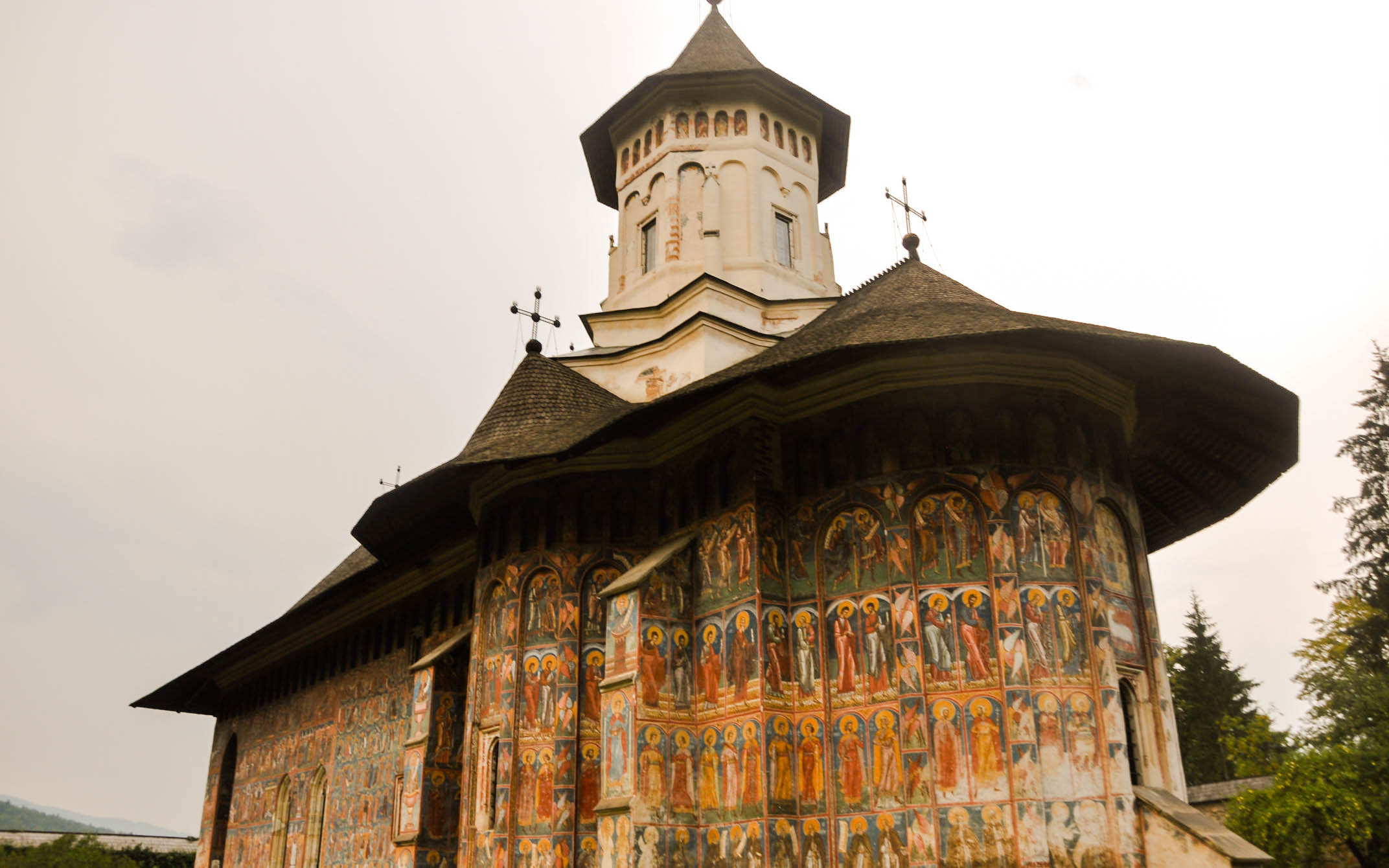
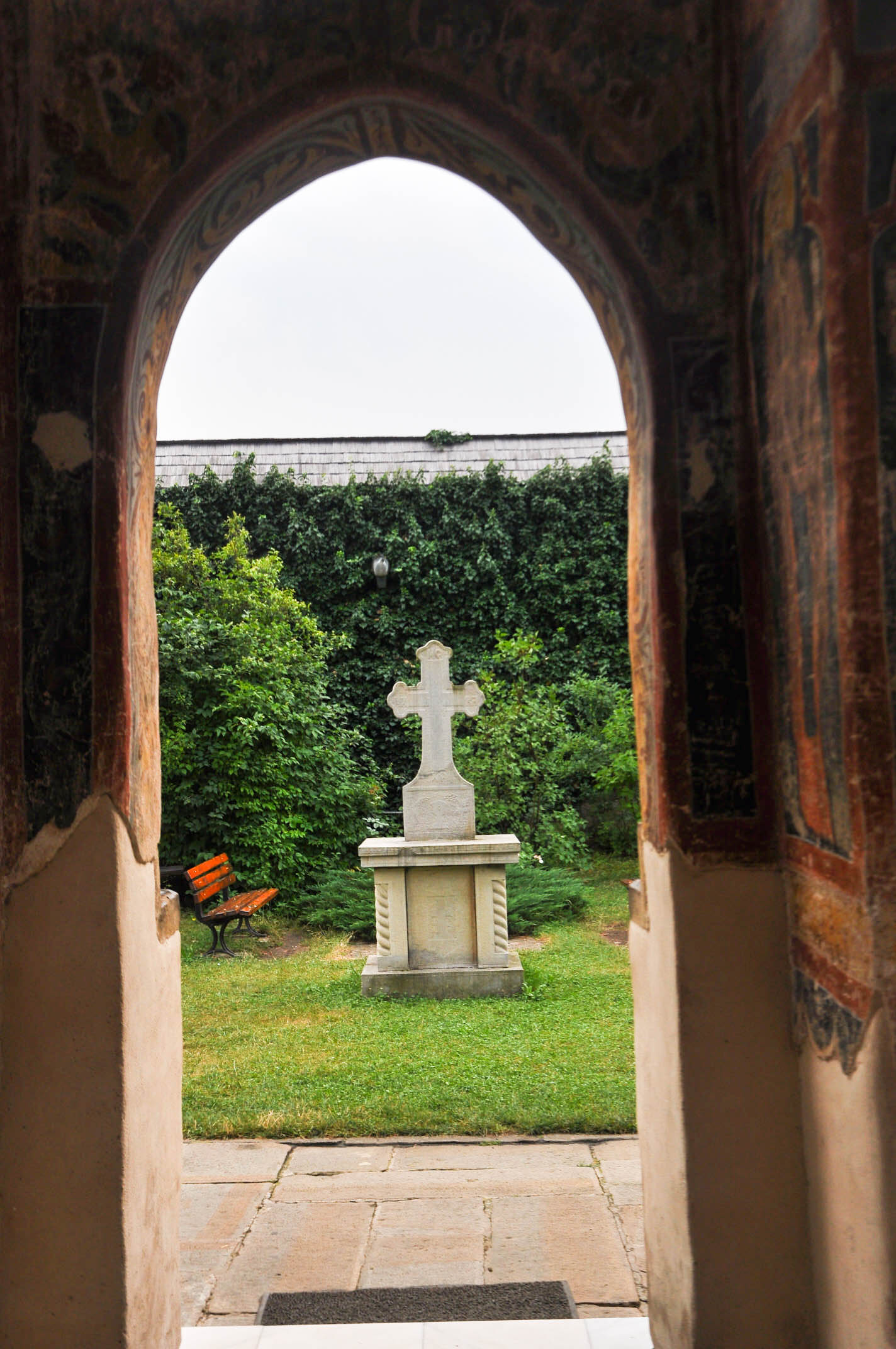
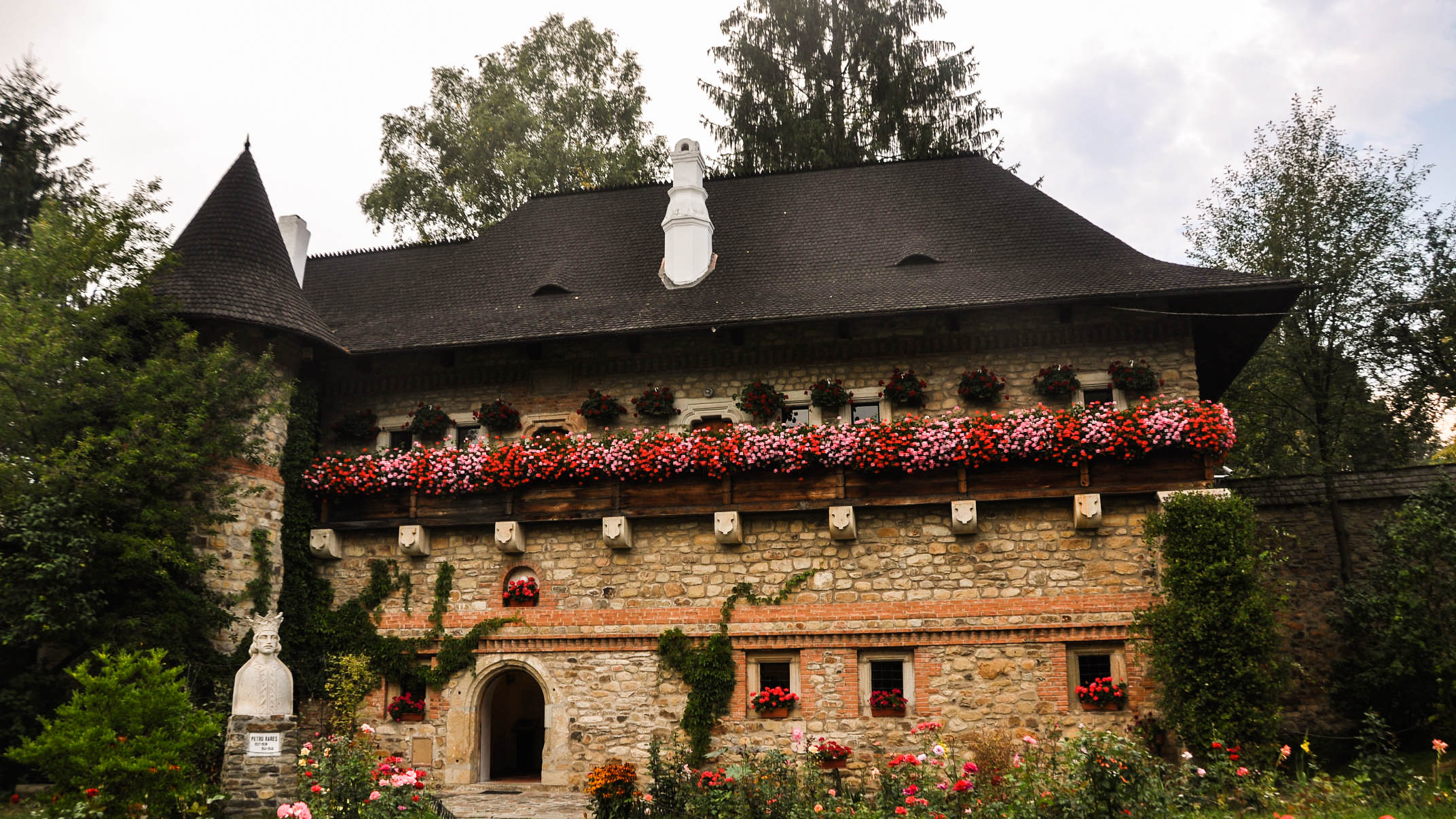
We went to Sucevita Monastery next, also in UNESCO World Heritage list, built in Byzantine and Gothic style. Both interior and exterior walls are covered by mural paintings , which are of great artistic value and depict biblical episodes from the Old and New Testament, dating from 1601, which makes Sucevița one of the last monasteries to be decorated in the famous Moldavian style of exterior paintings. We were very impressed by the painting. They were very violent though, with beheadings, people burnt alive, crucified and all kind of explicit scenes, many of them could be found at Moldovita and Voronet also.
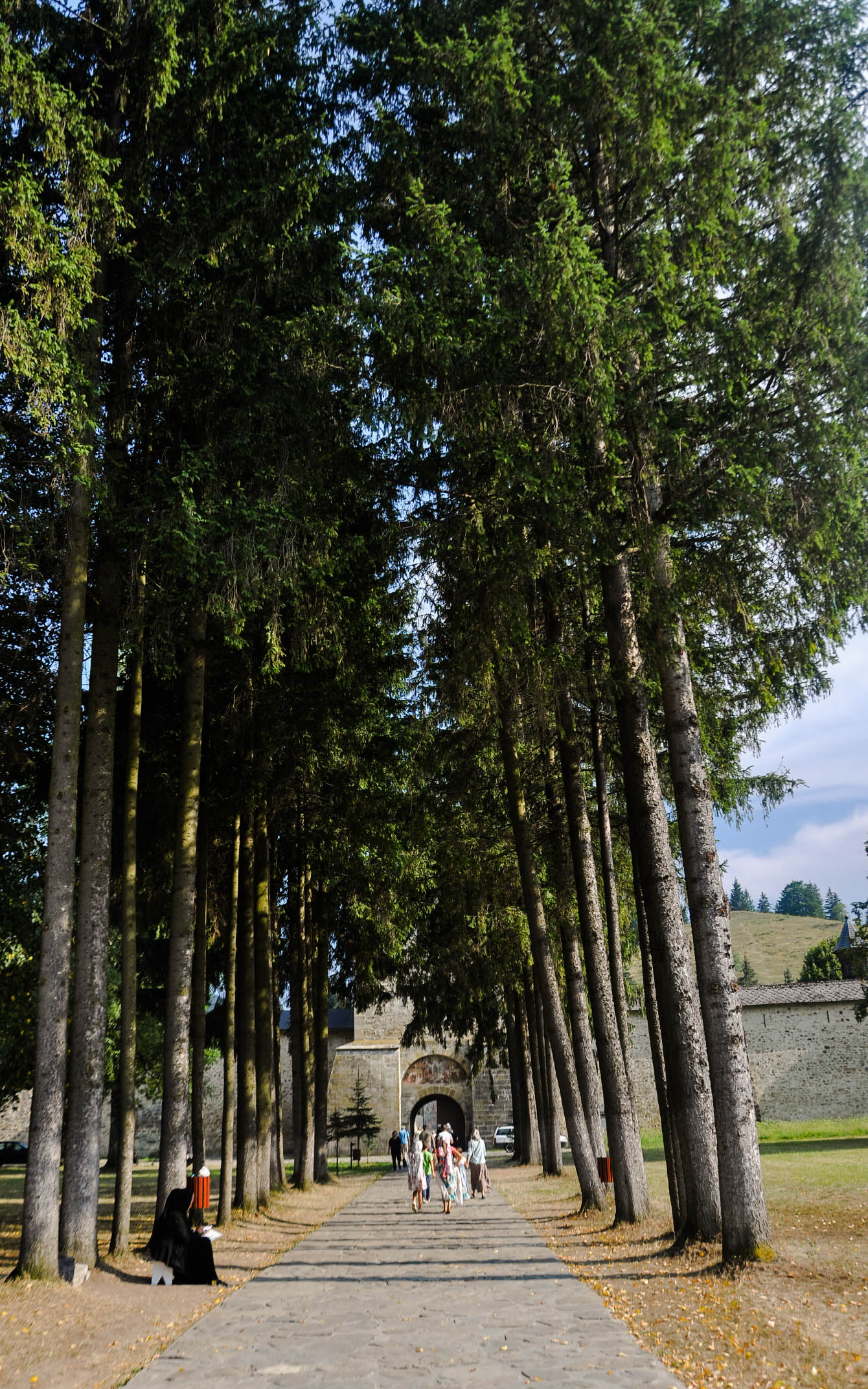
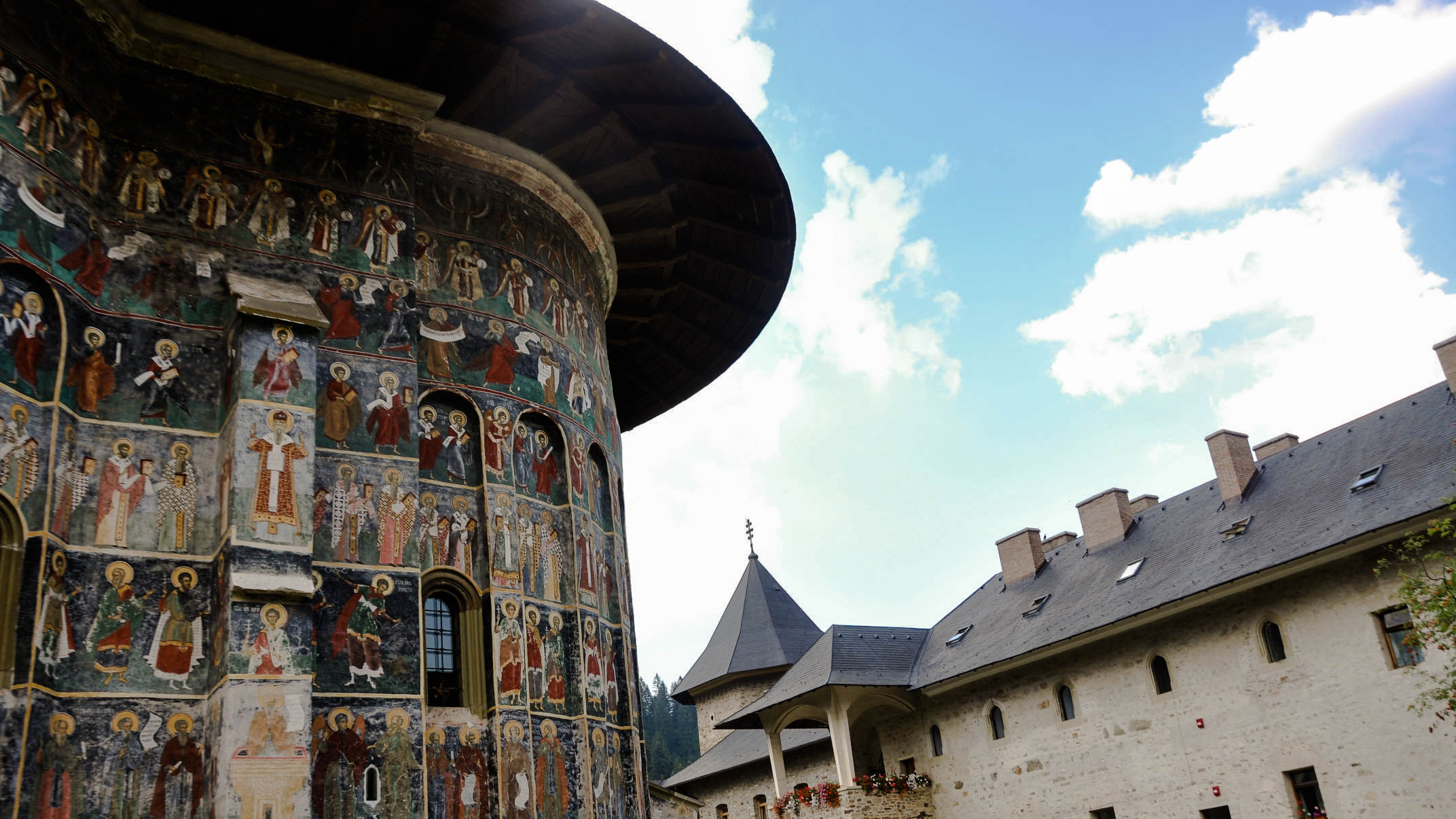
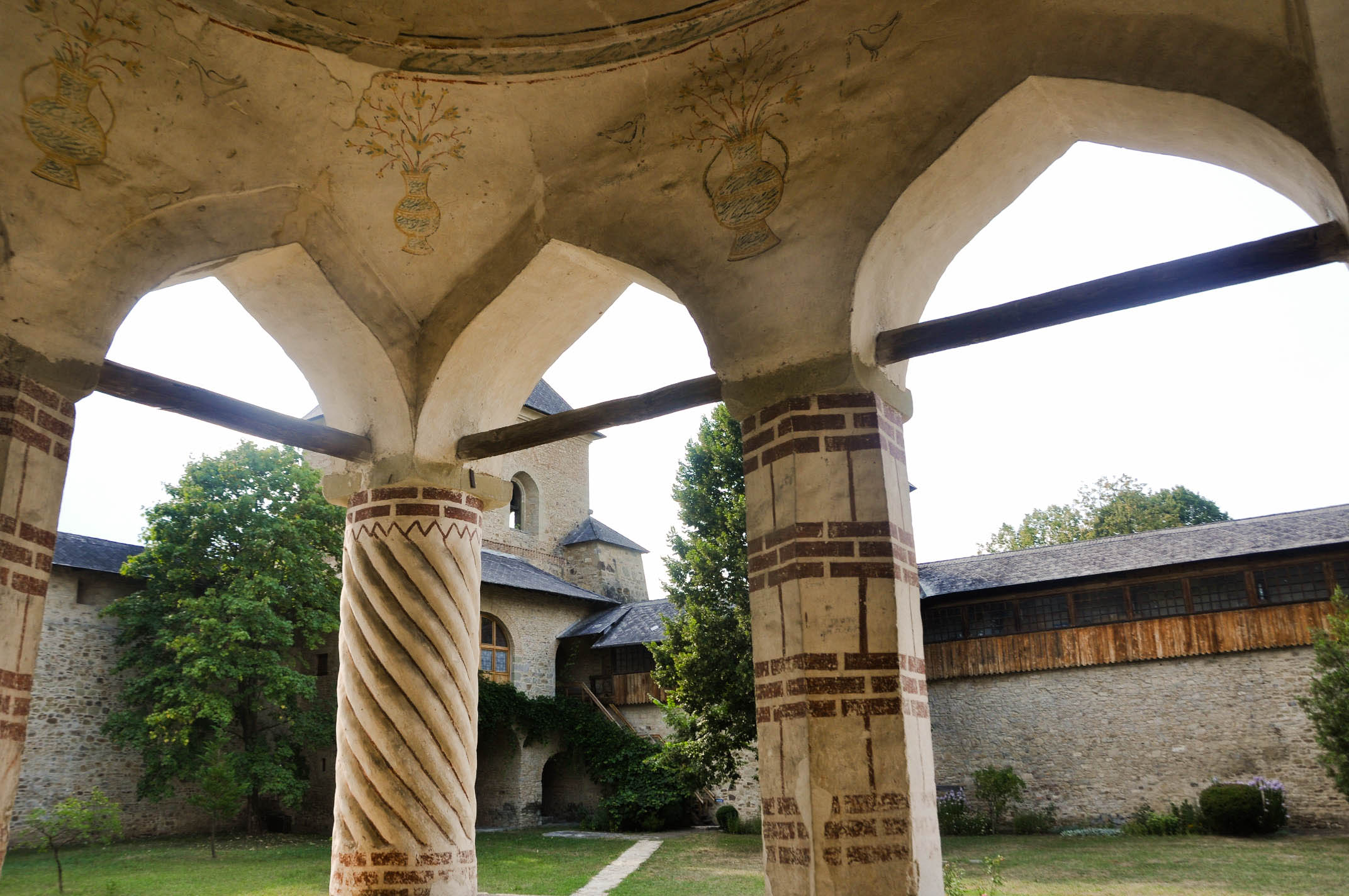
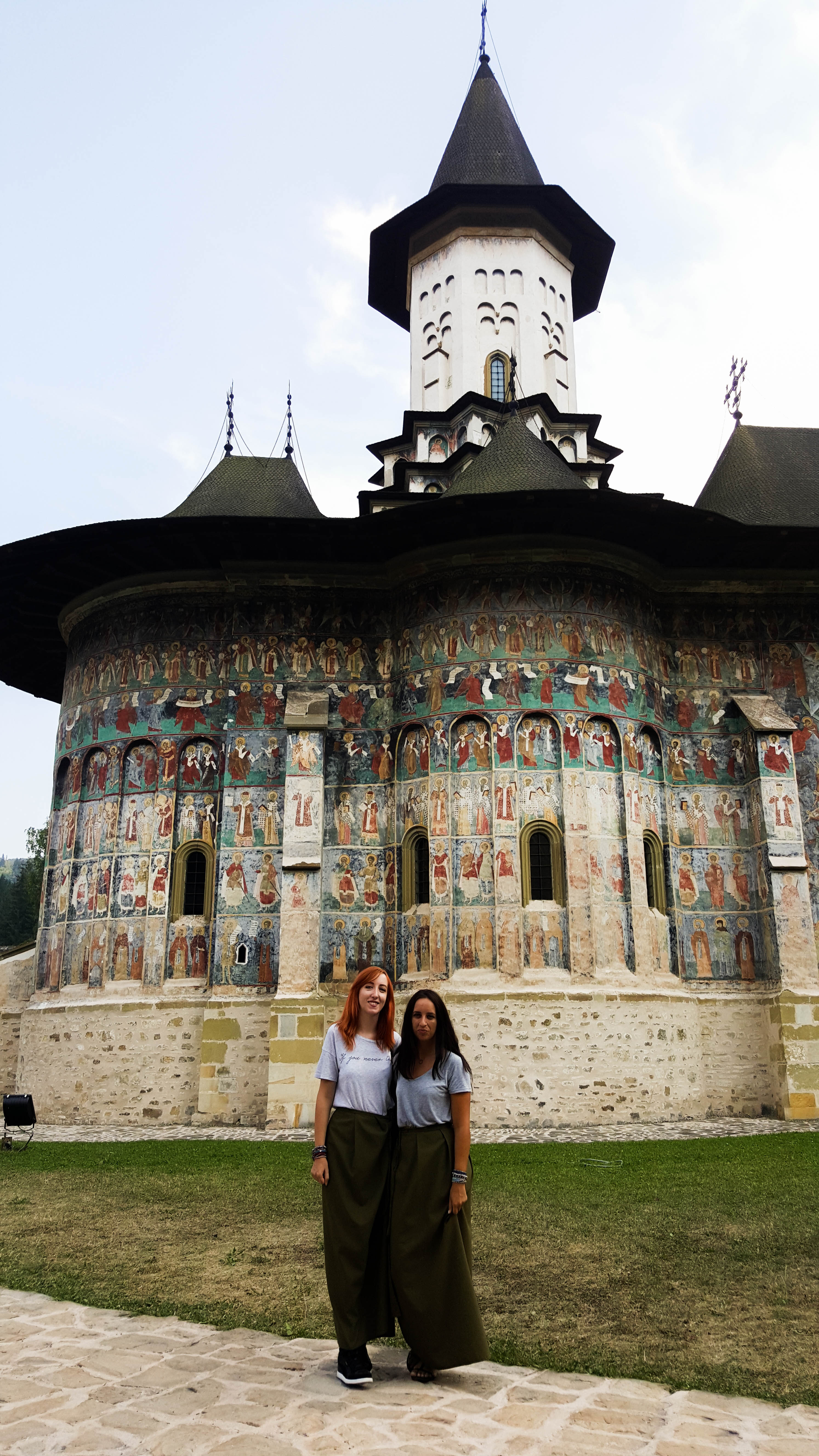
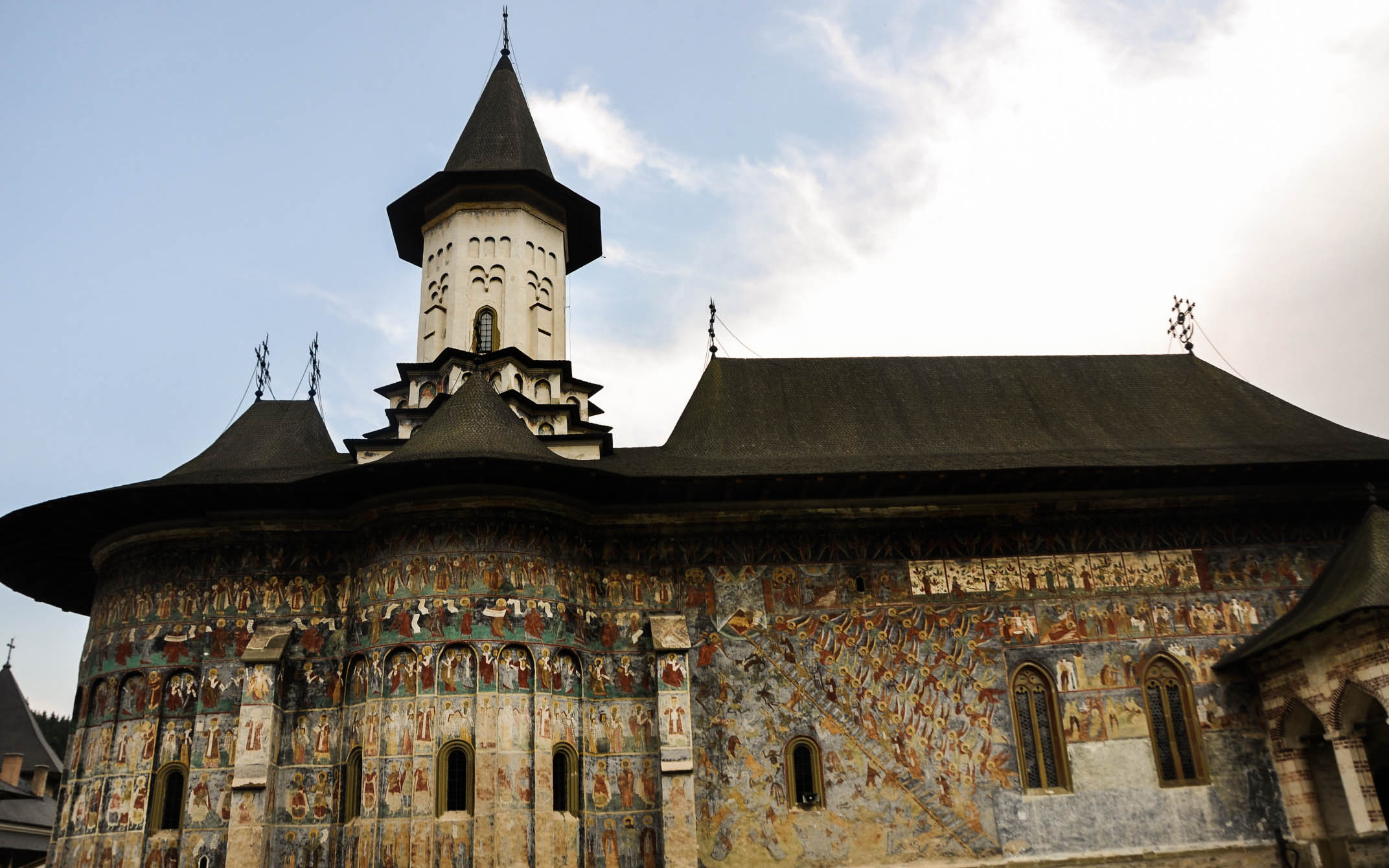
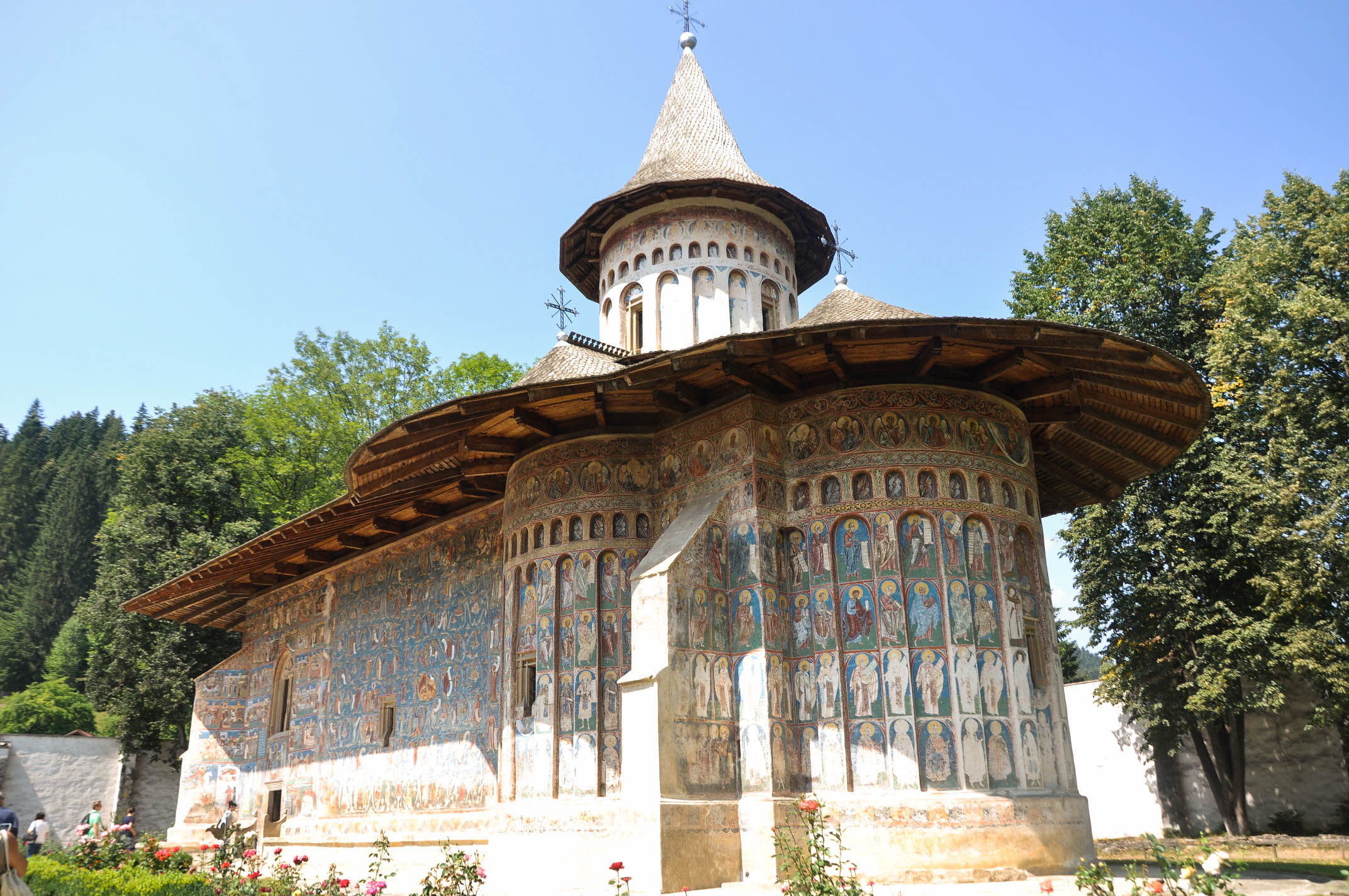
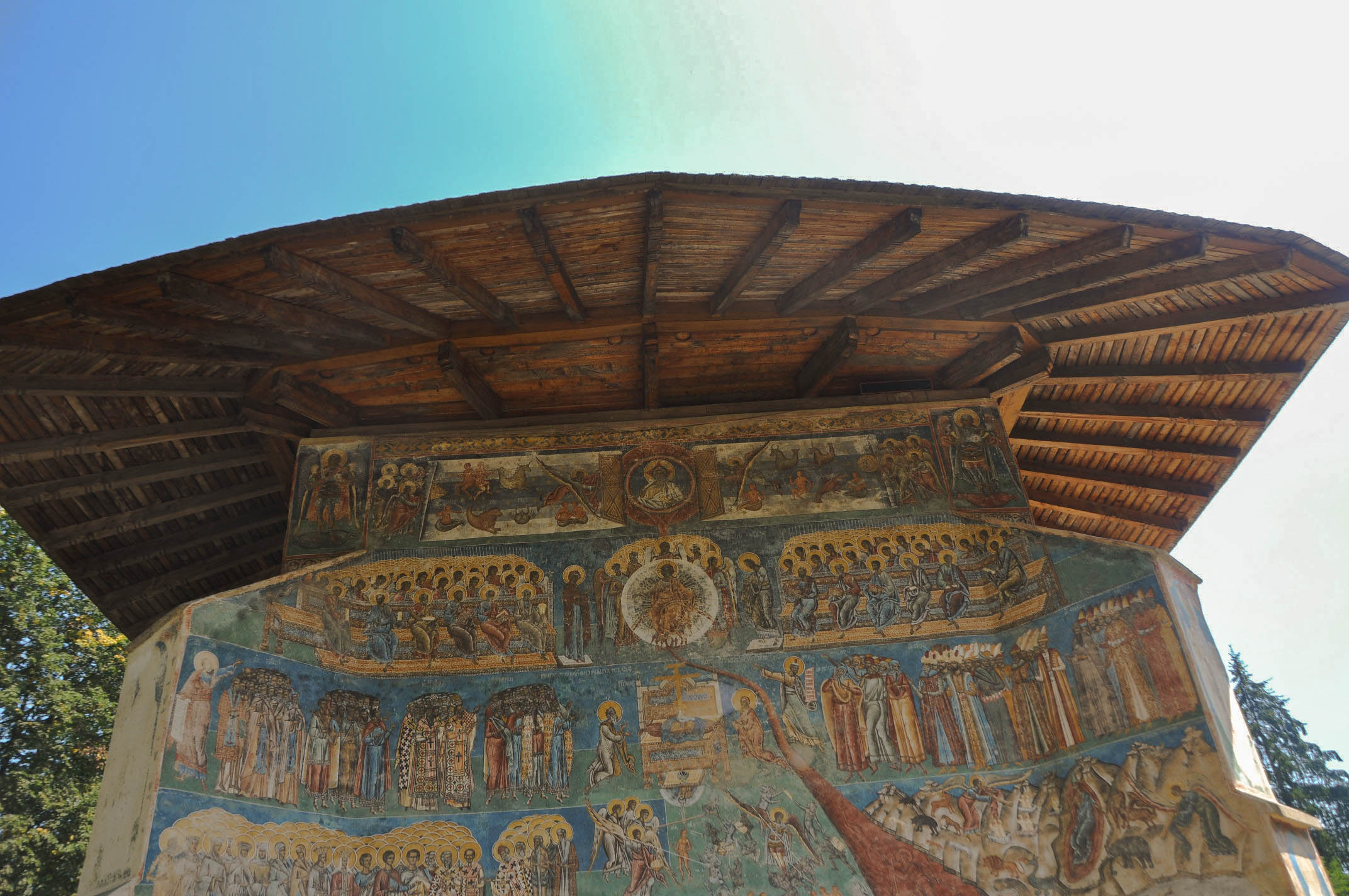
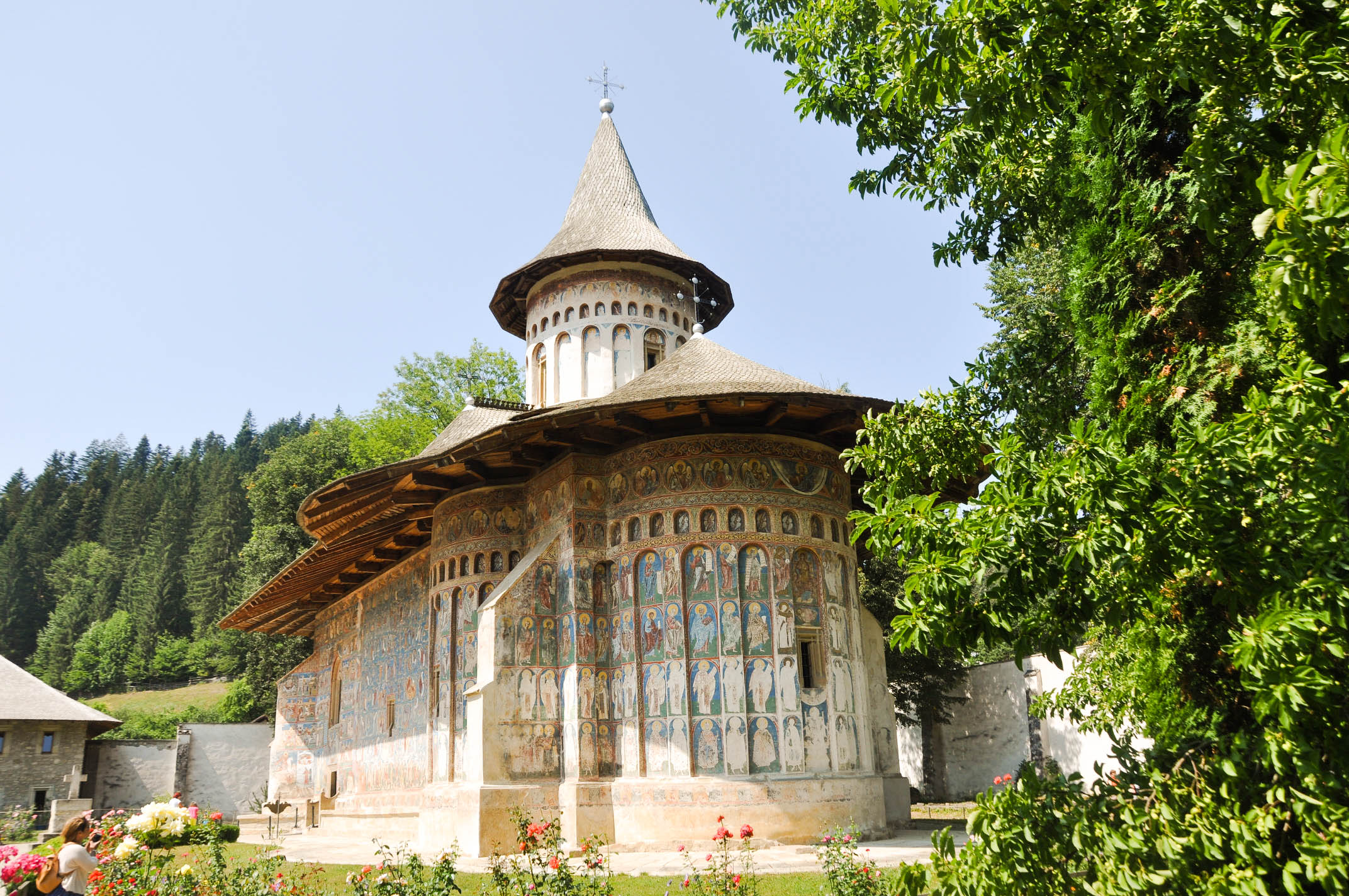
We finished with Voronet Monastery, probably the most well known monastery in Romania because of the Voronet blue, built by Stephen the Great in 1488, included in UNESCO World Heritage list. The legend says that the monastery was built after Stephen the Great, in a moment of crisis during a war against the Ottoman Turks came to Daniel the Hermit at his skete in Voroneț and asked for advice. Daniel told him not to surrender the fight. Then, after victory, he must build a monastery dedicated to Saint George. But after 500 years, the Voronet blue is still keeping the mystery of its composition..