Italian adventure. Siena
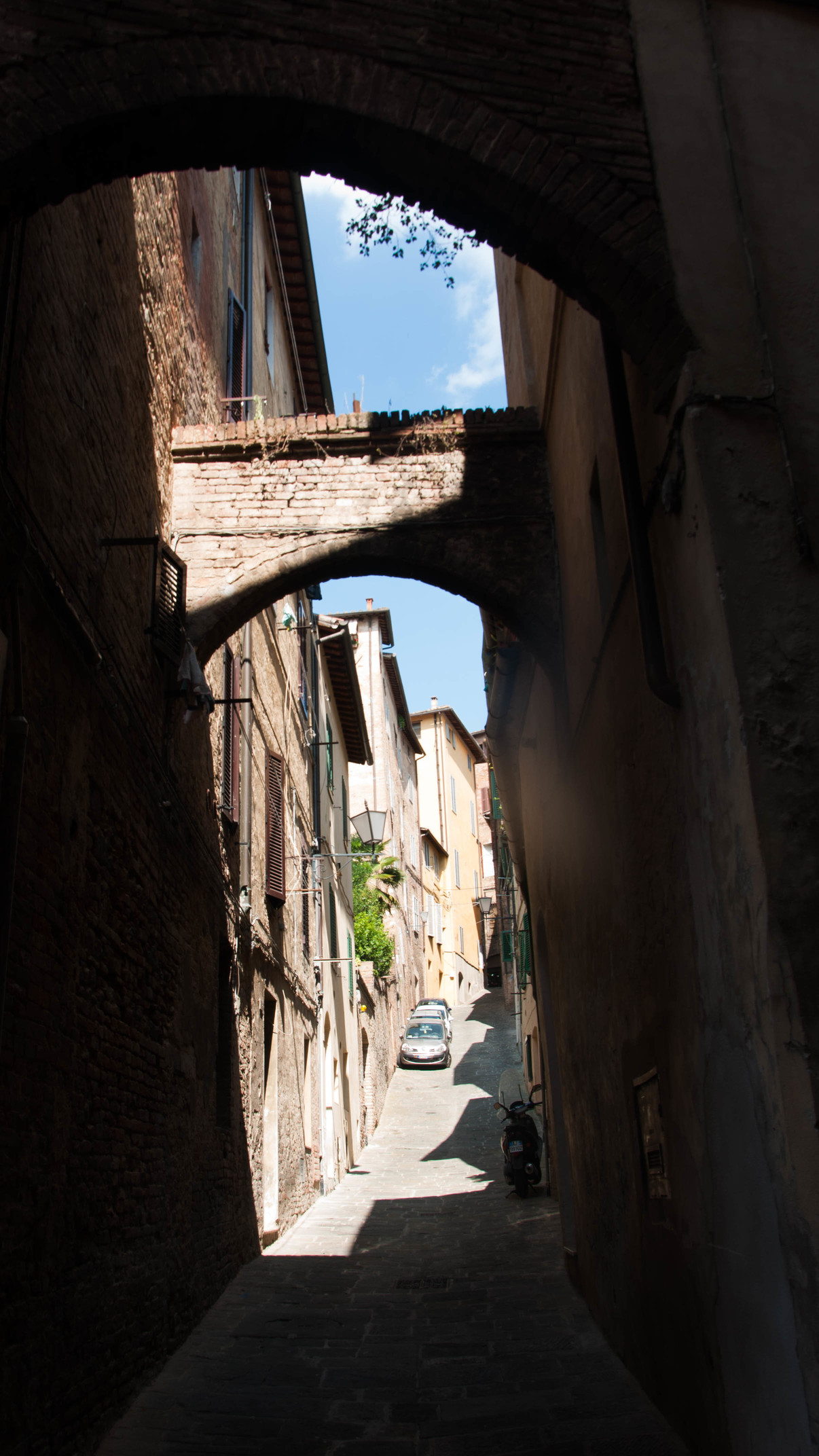
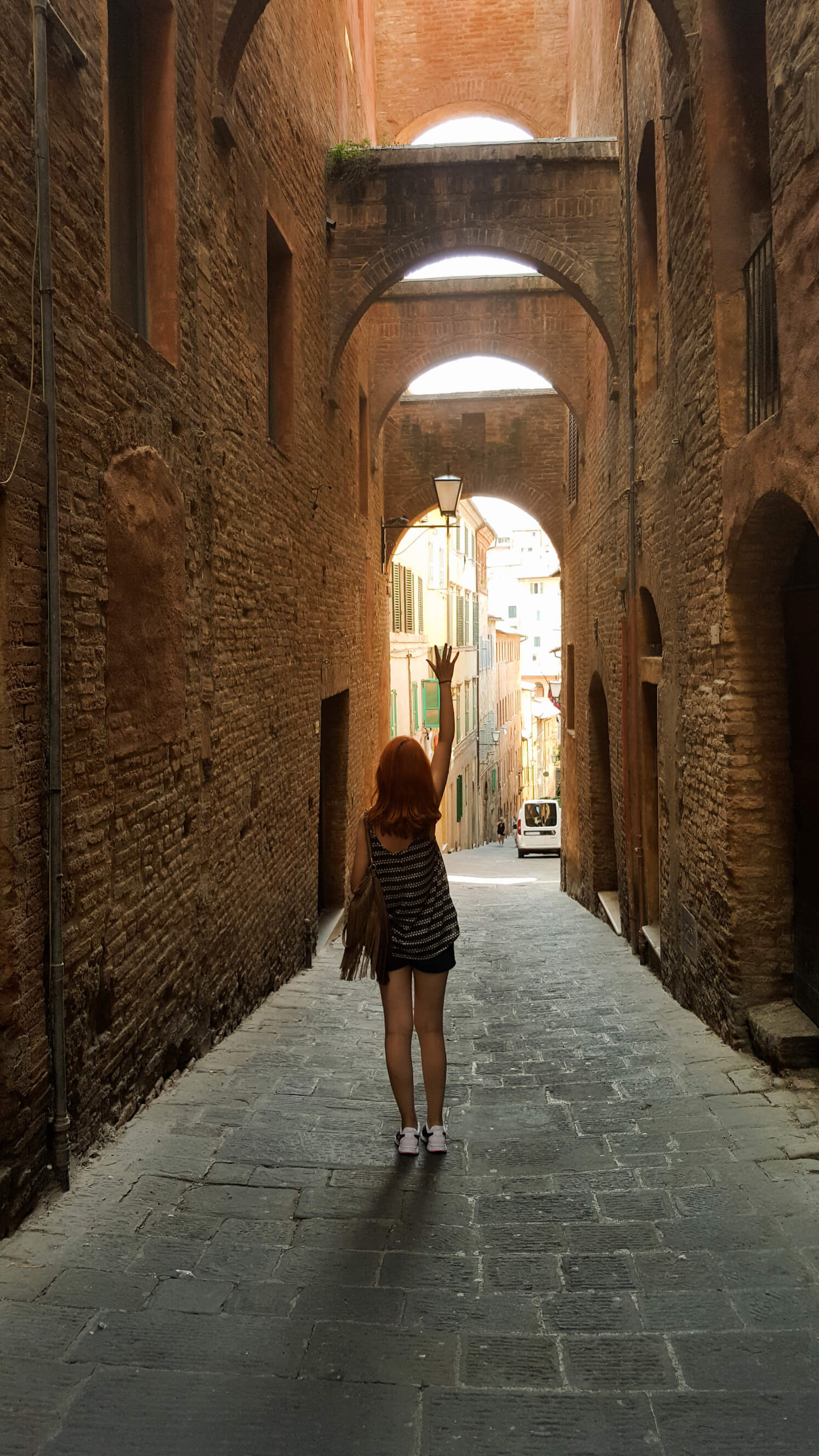
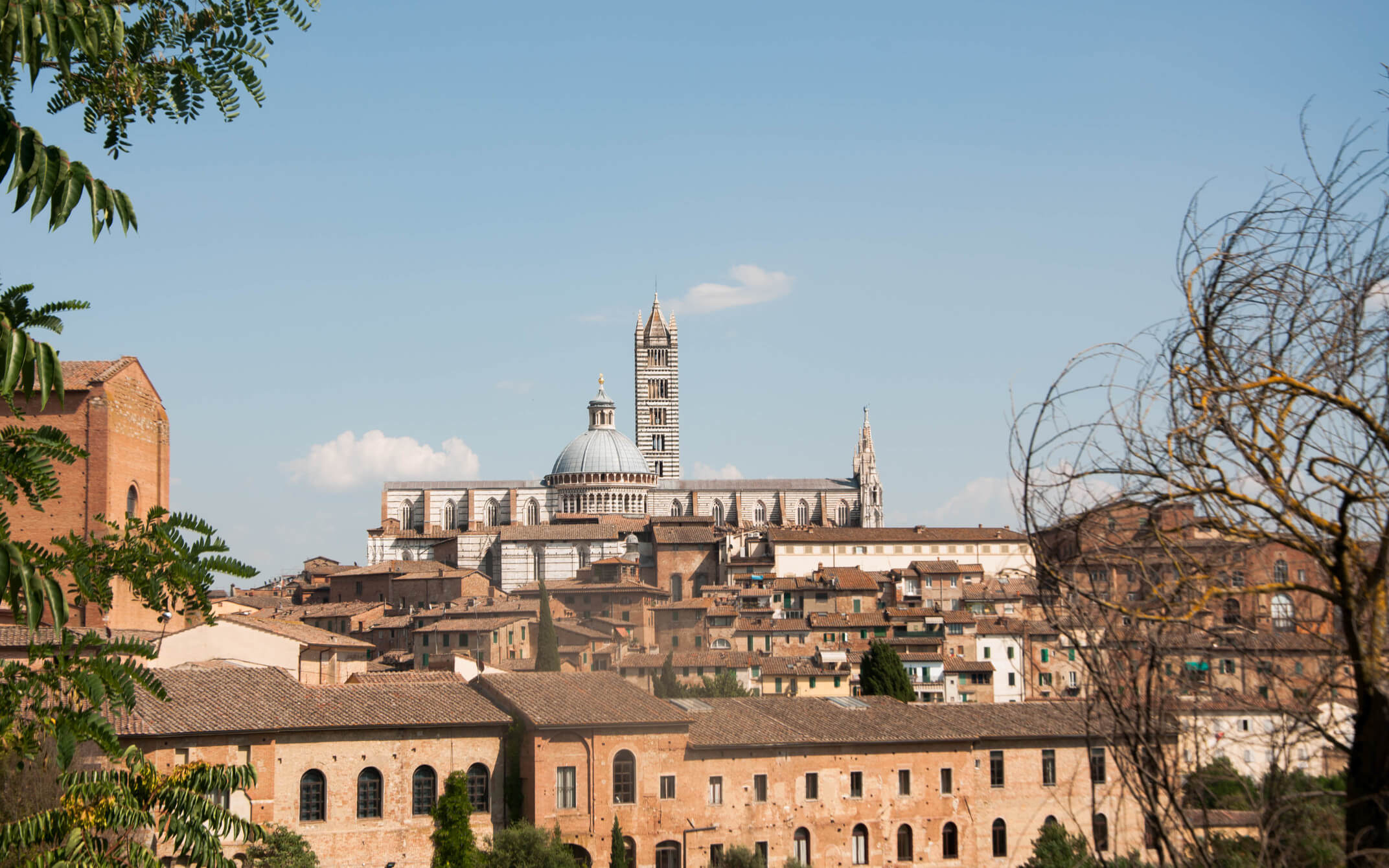
We continue our adventure in Tuscany today, this time is Siena, one of the most beautiful medieval towns in the world. You don’t go to Siena just to visit museums and art gallery, the town itself must be visited, by food, getting lost on the narrow streets. Siena is situated on a hill so you must pack some comfortable footwear. We immediately unpacked our sneakers when we realized how much we have to go uphill and abandoned the other ones we had with us.
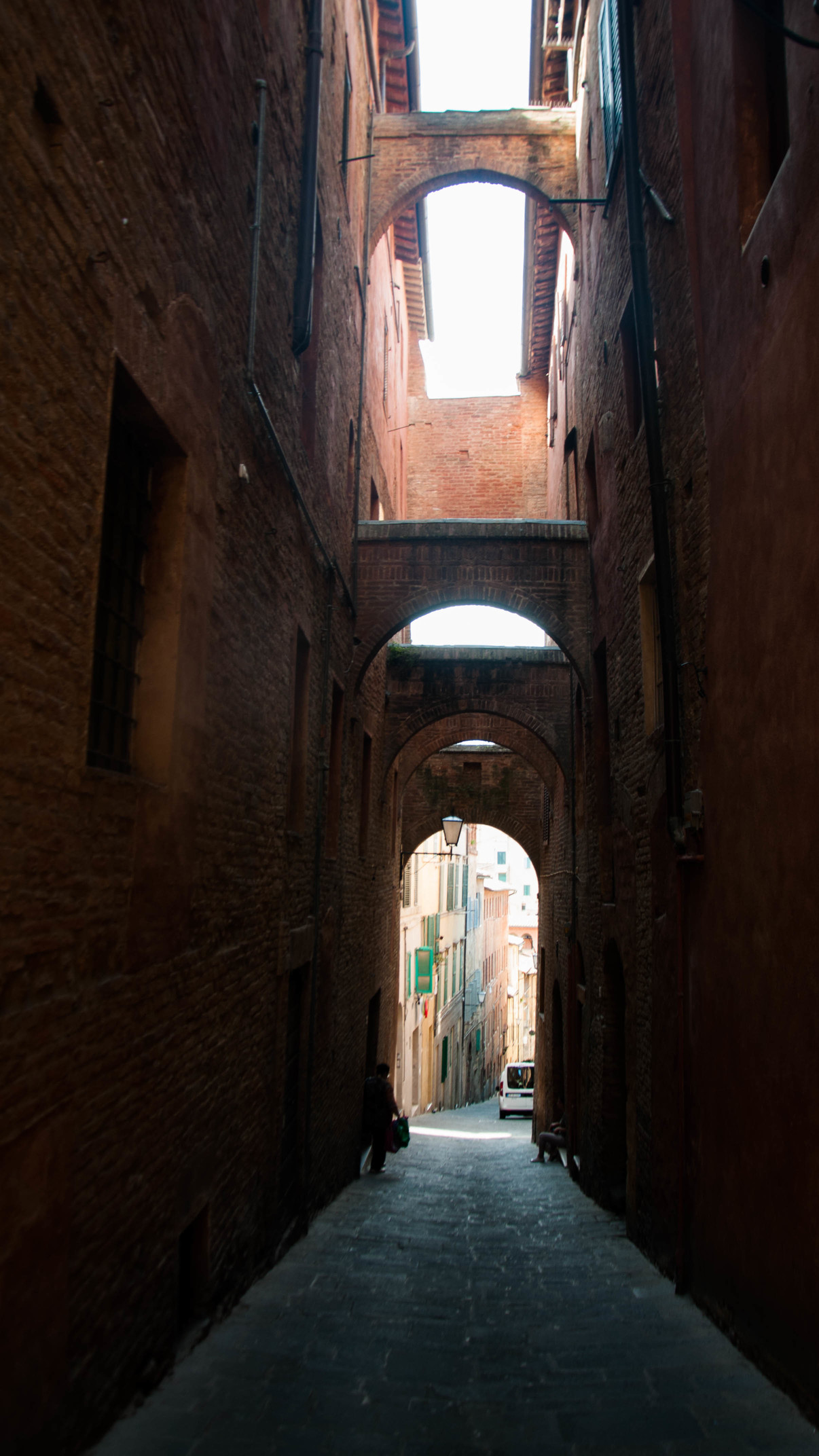
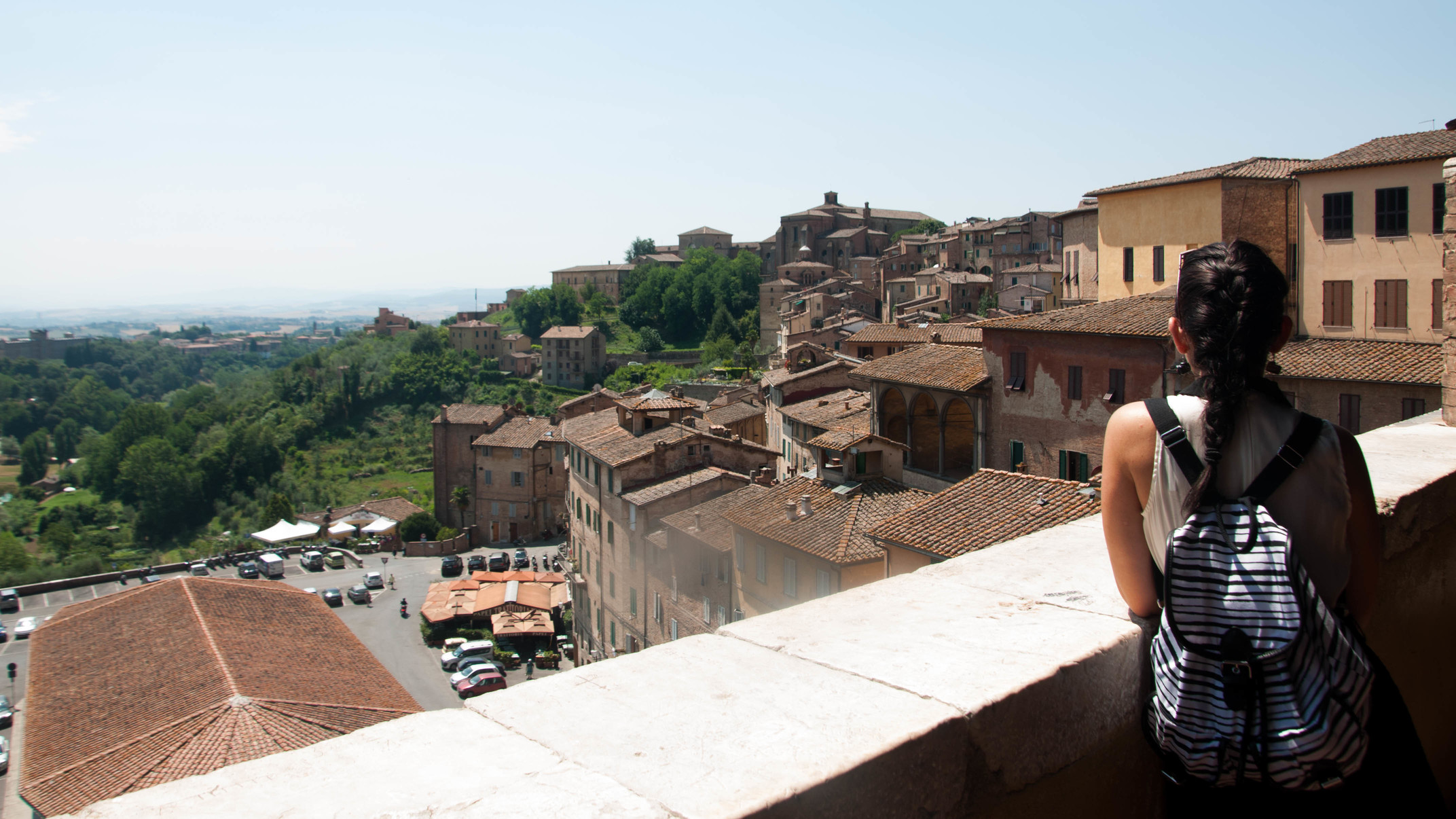
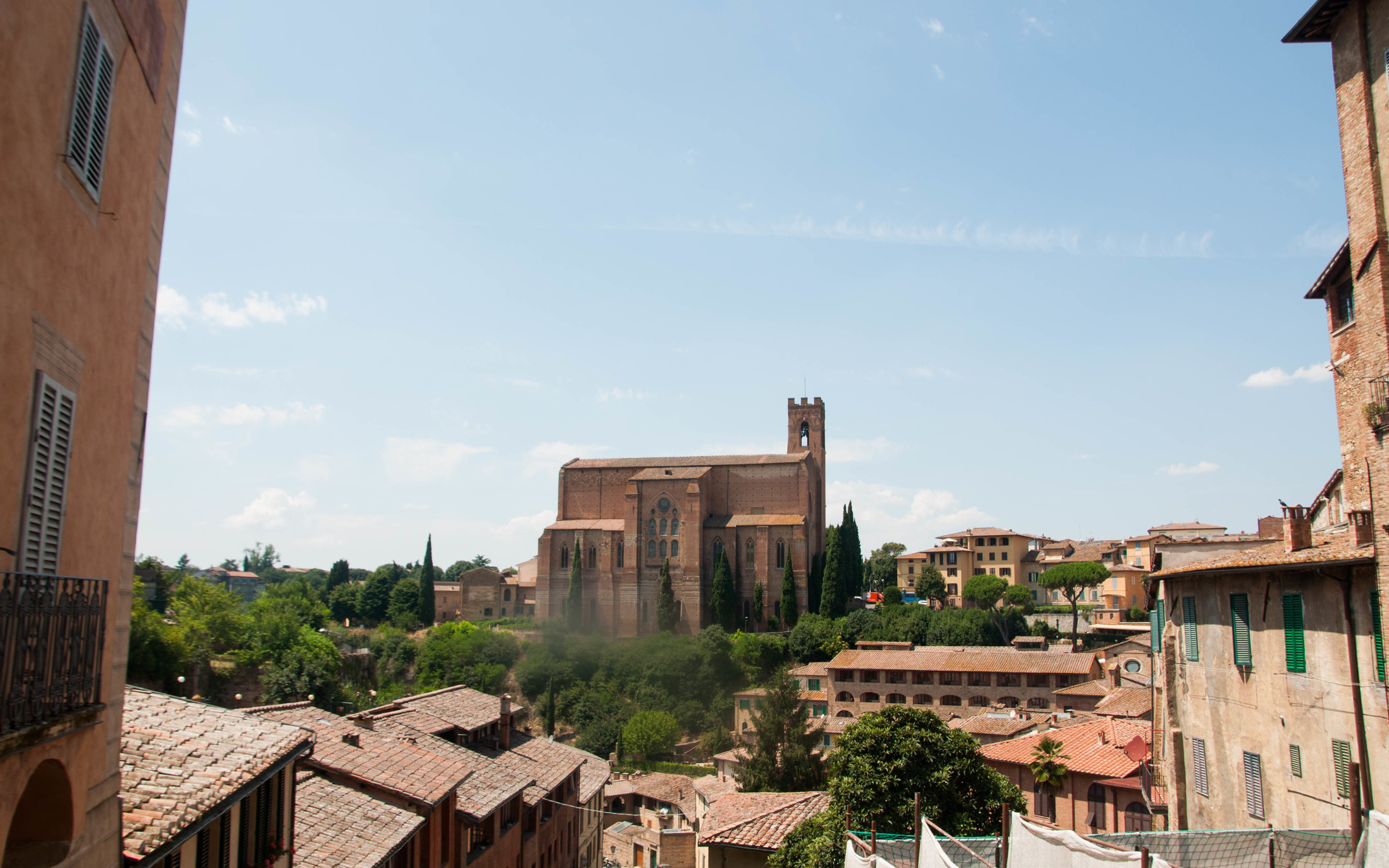
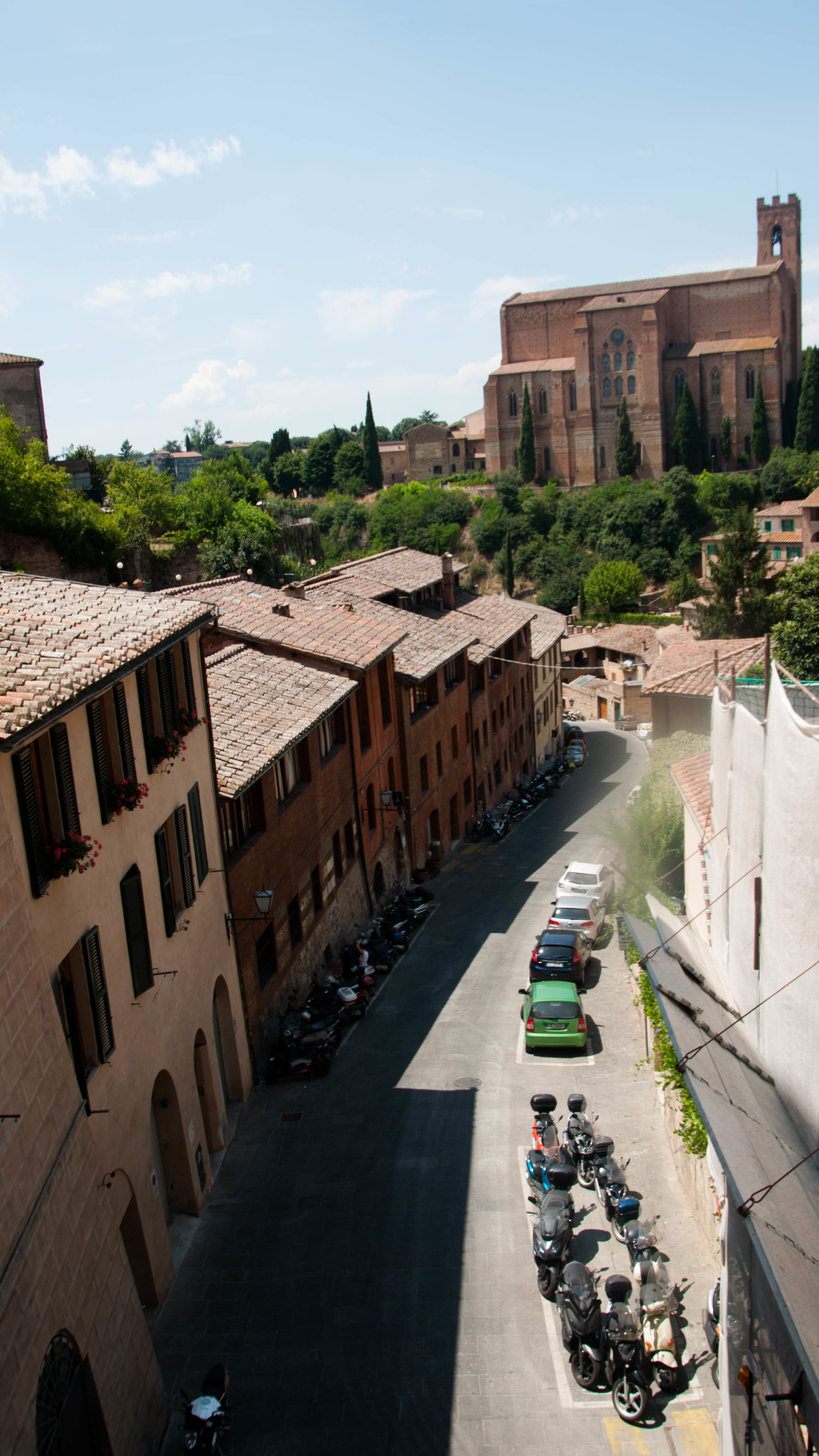
We arrived to Siena in the evening because on our way from Florence we stopped for a few hours to San Gimignano. The owners of the apartment we rented from Airbnb were waiting for us and recommended a parking place for our car because inside the citadel the cars aren’t allowed. The city has many street signs and you can’t really get lost but is a little bit tiring to go by foot because of the many hills. The city is divided in 17 medieval neighborhoods situated on 3 hills but it’s worth it.
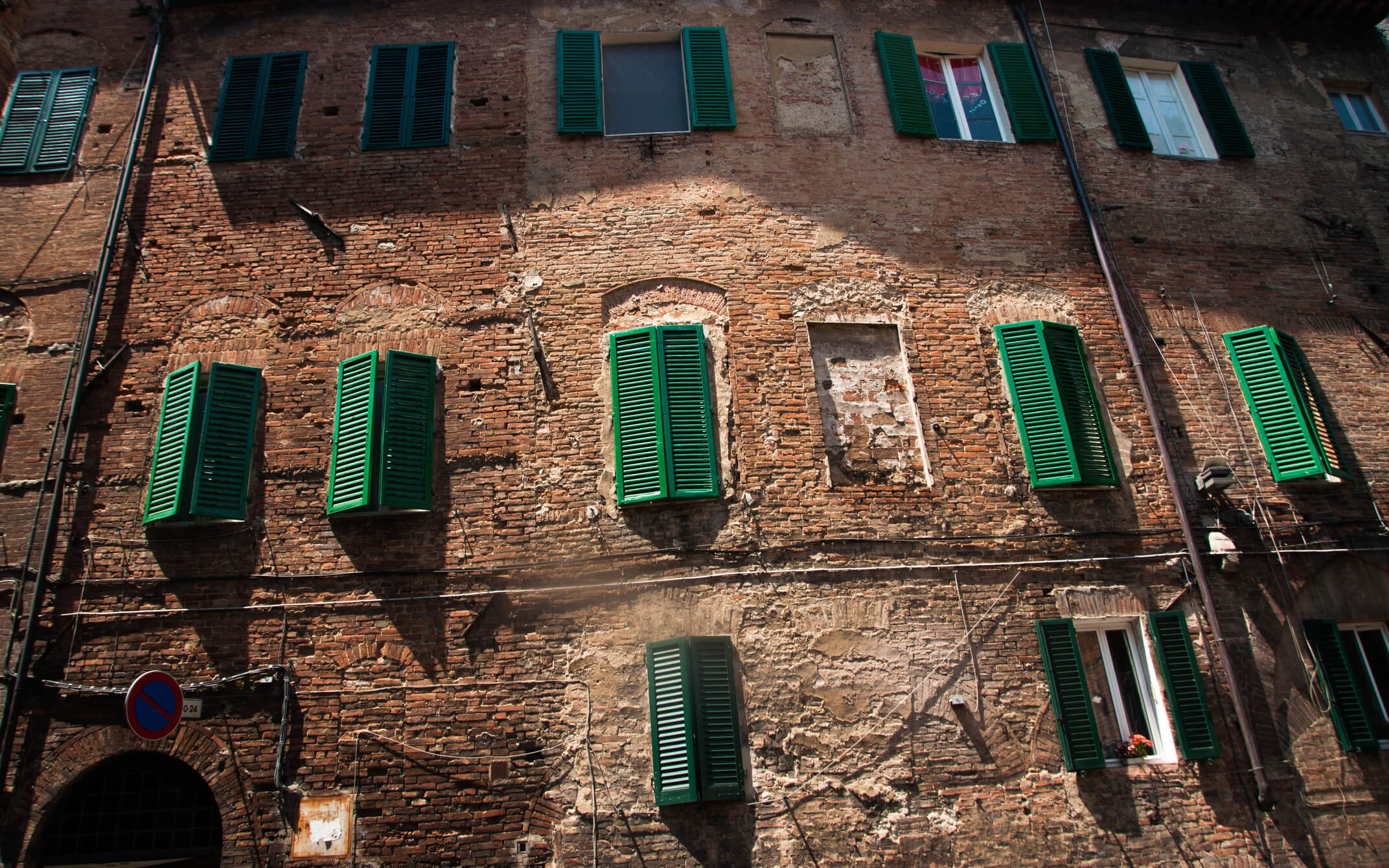
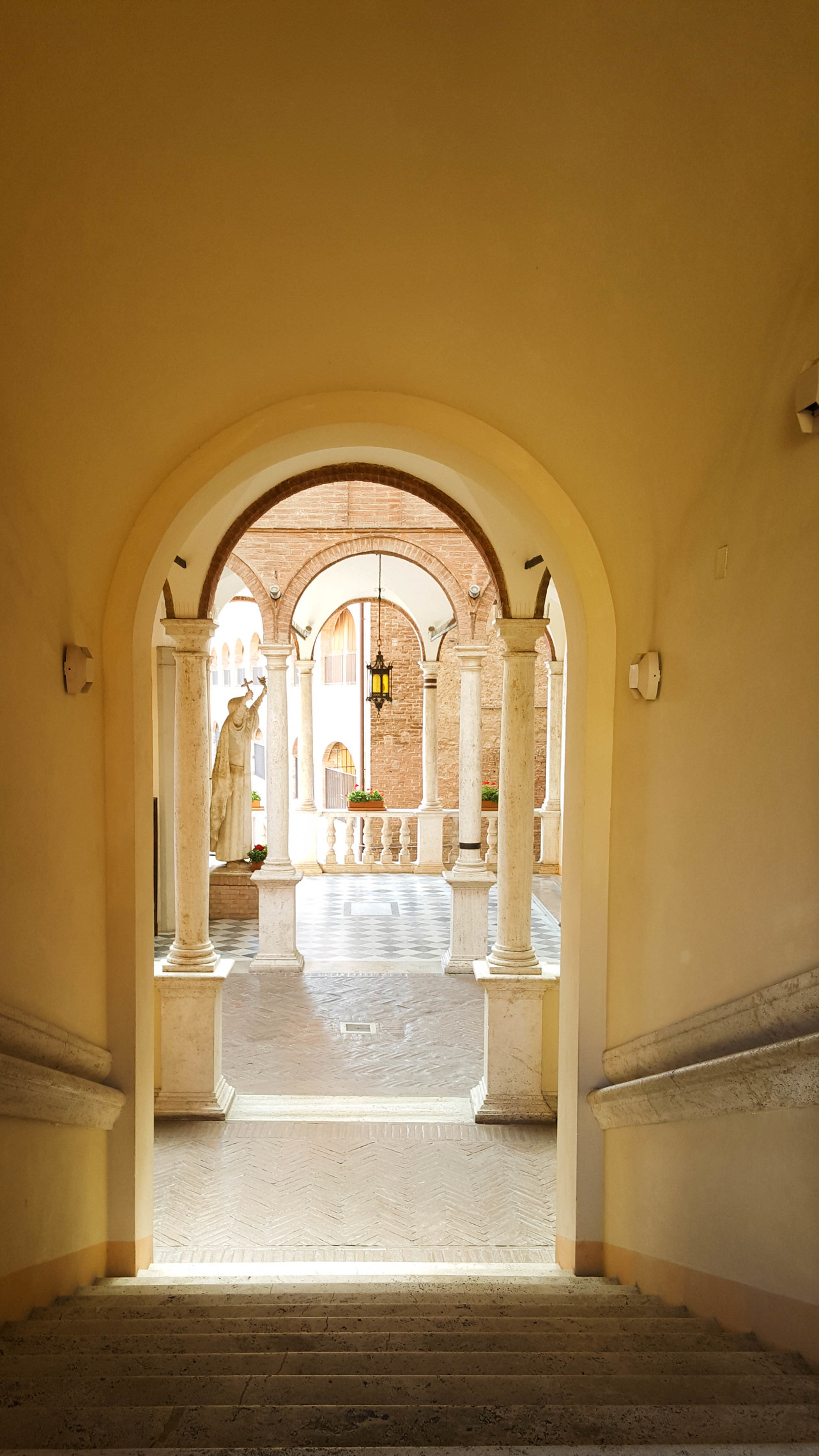
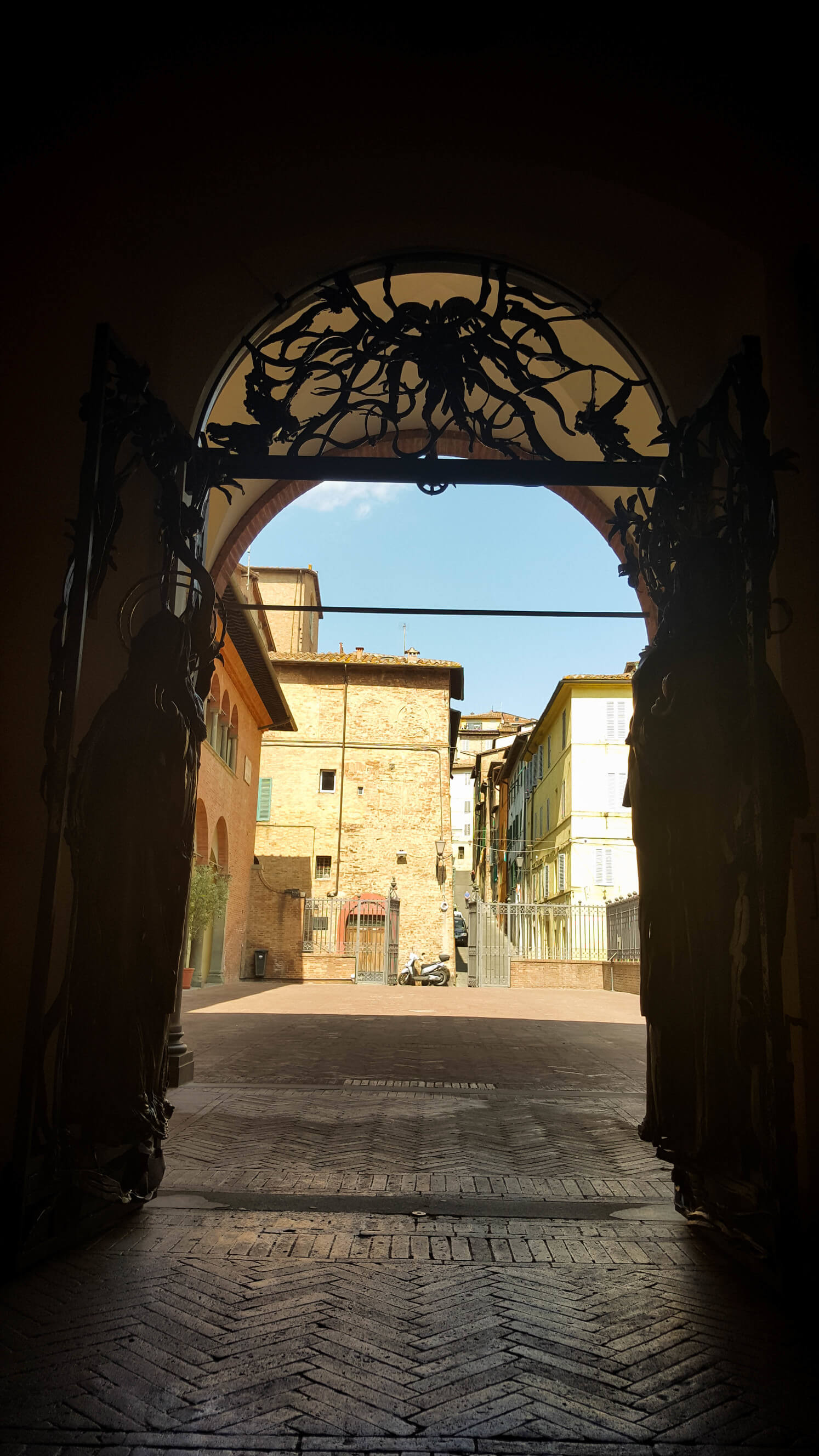
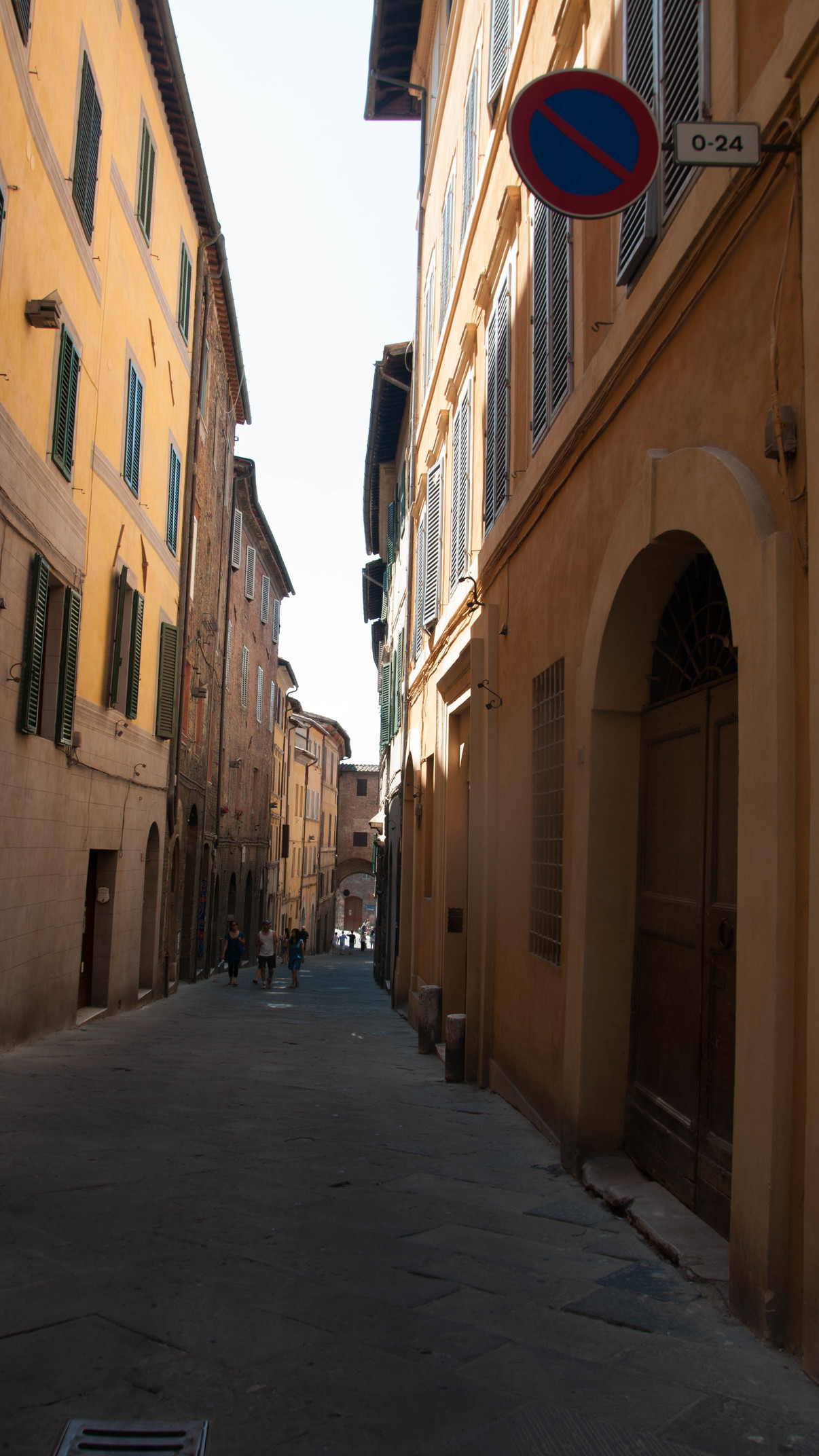
Siena was initially divided in 3 areas (named Terzi), Terzo di Citta being the first area that was inhabited. Terzo di Camollia has its name from the City Gate, named Porta Camollia, situated in the direction of Florence, the traditional enemy of Siena and because of this it was heavily guarded. Terzo di San Martino. The last area is Terzo di San Martino and Piazza del Campo, an area that goes around Francigena, the pilgrims route to Rome, Saint Martin being their protector. The historic center of the city is part of the UNESCO World Heritage, an outdoors museum that is very well preserved and that thousand of tourists enjoy each year. Siena is the first European city in witch the auto traffic has been limited in the historic center in 1966.
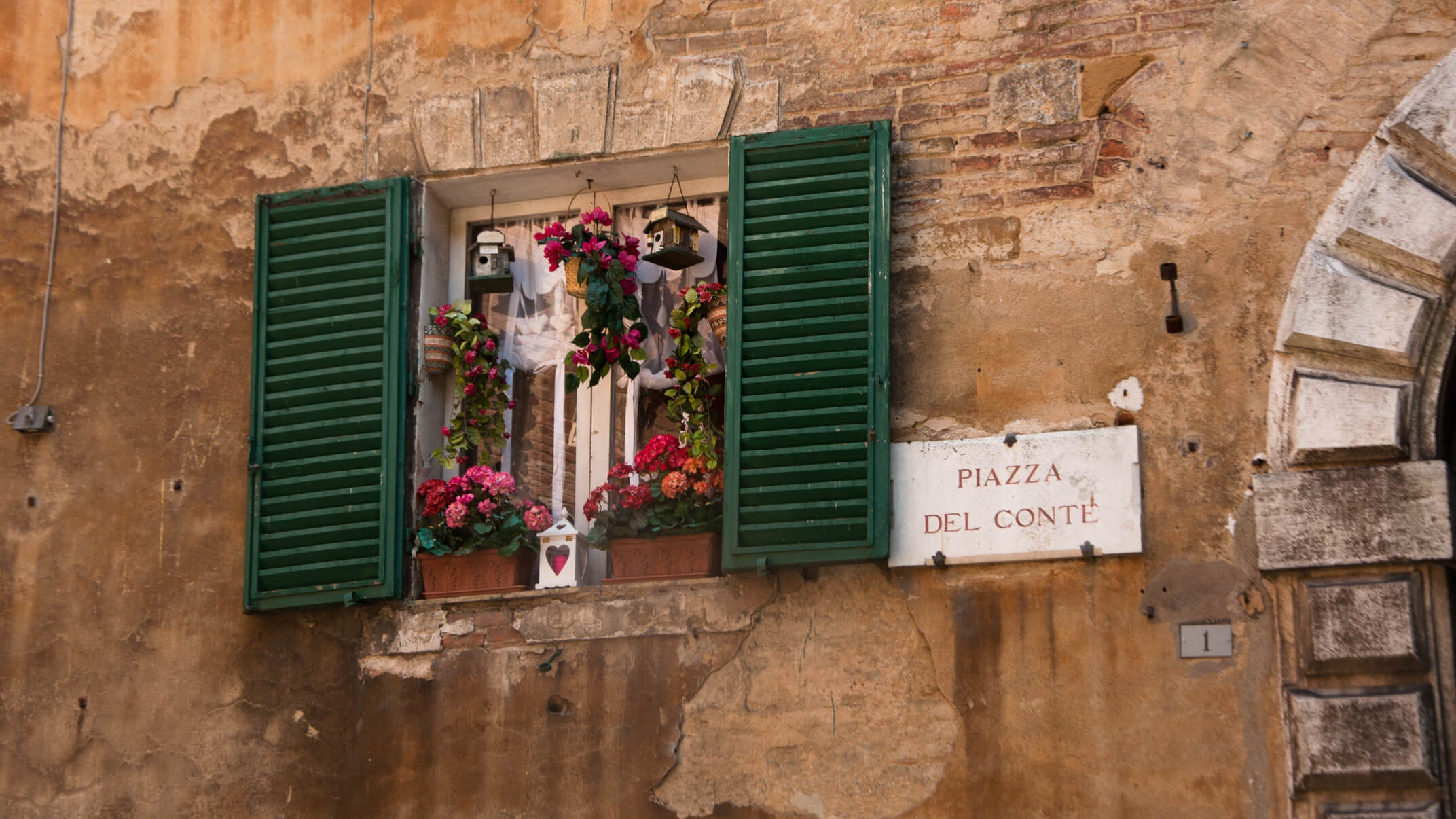
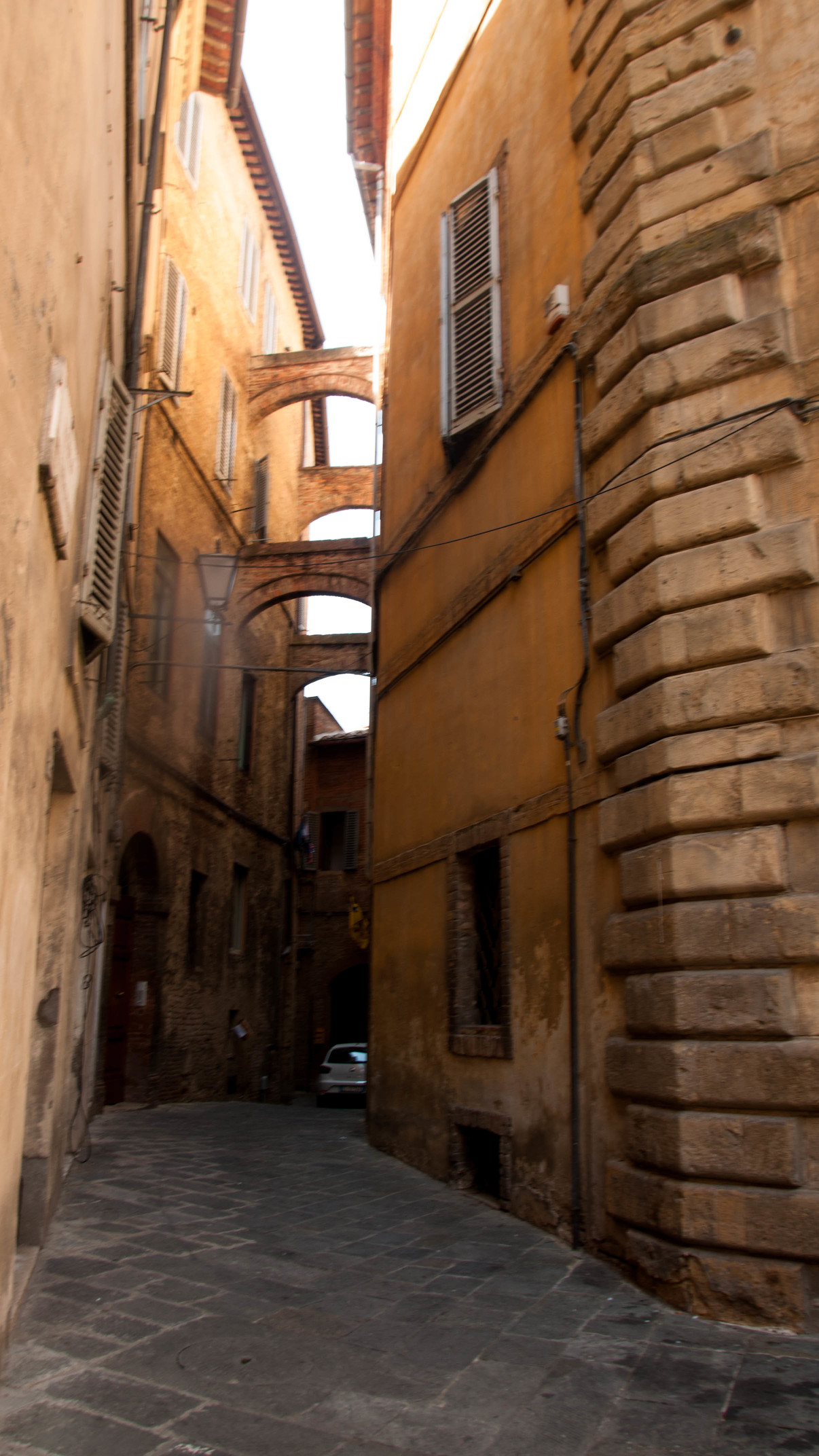
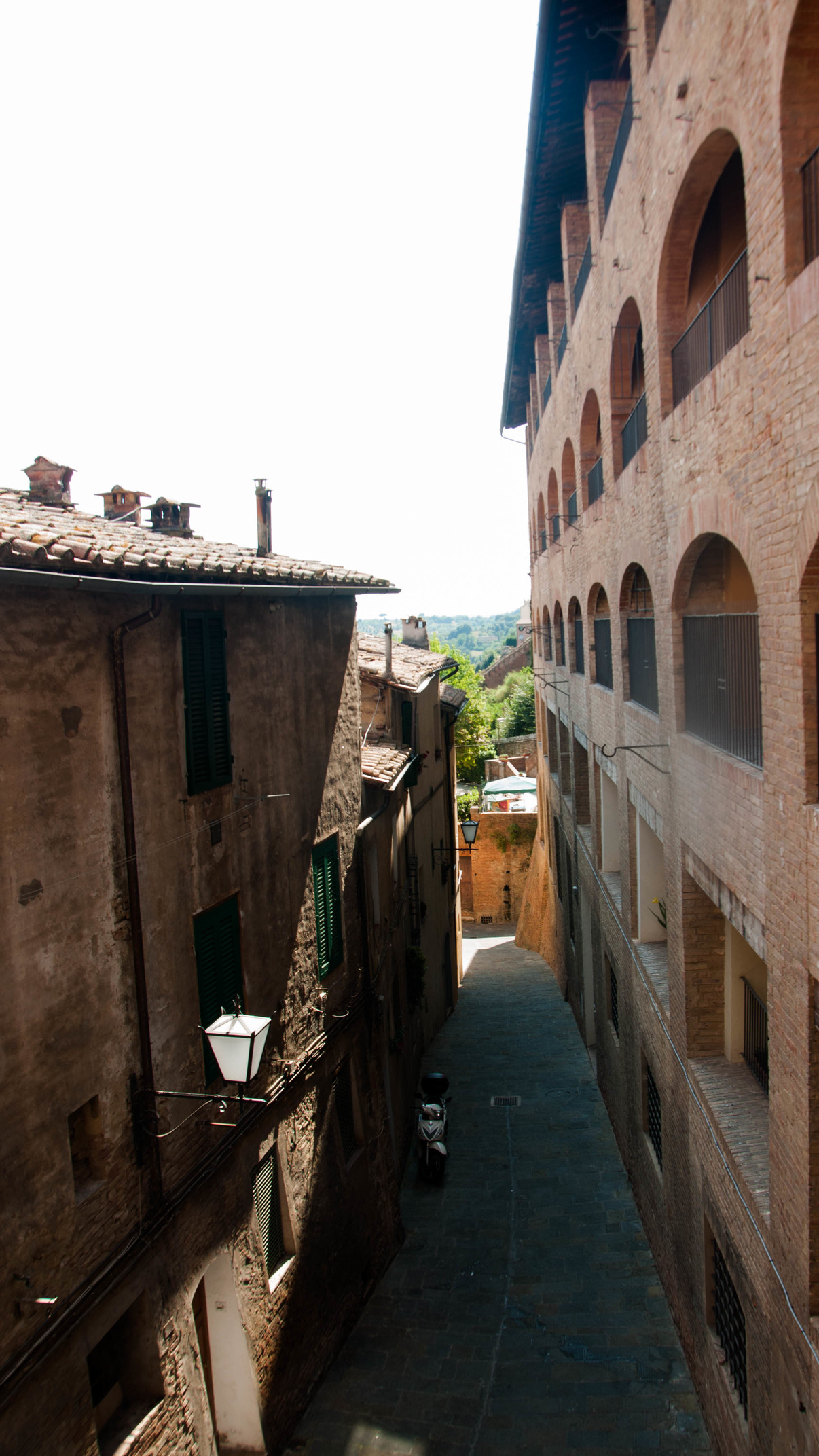
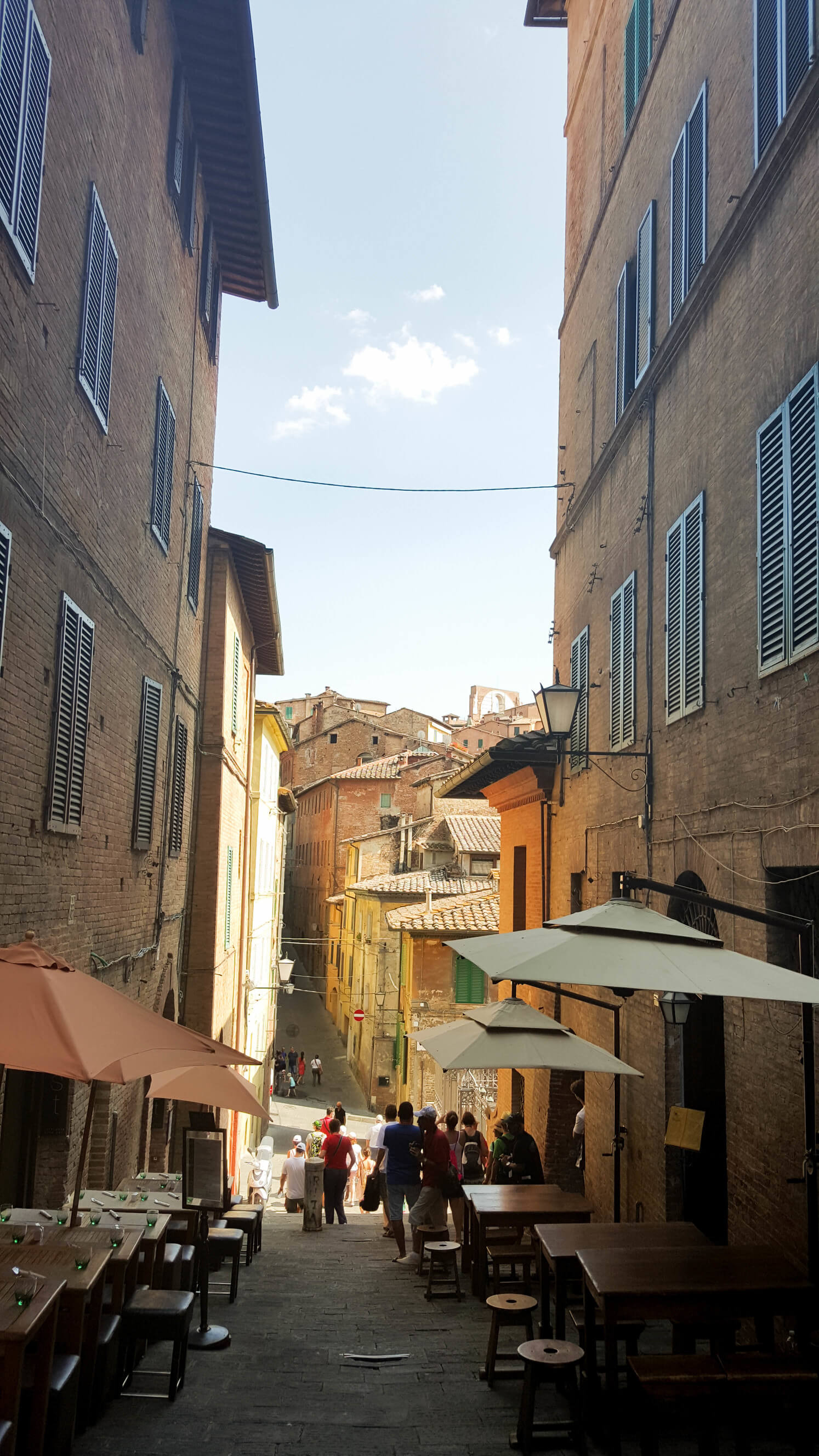
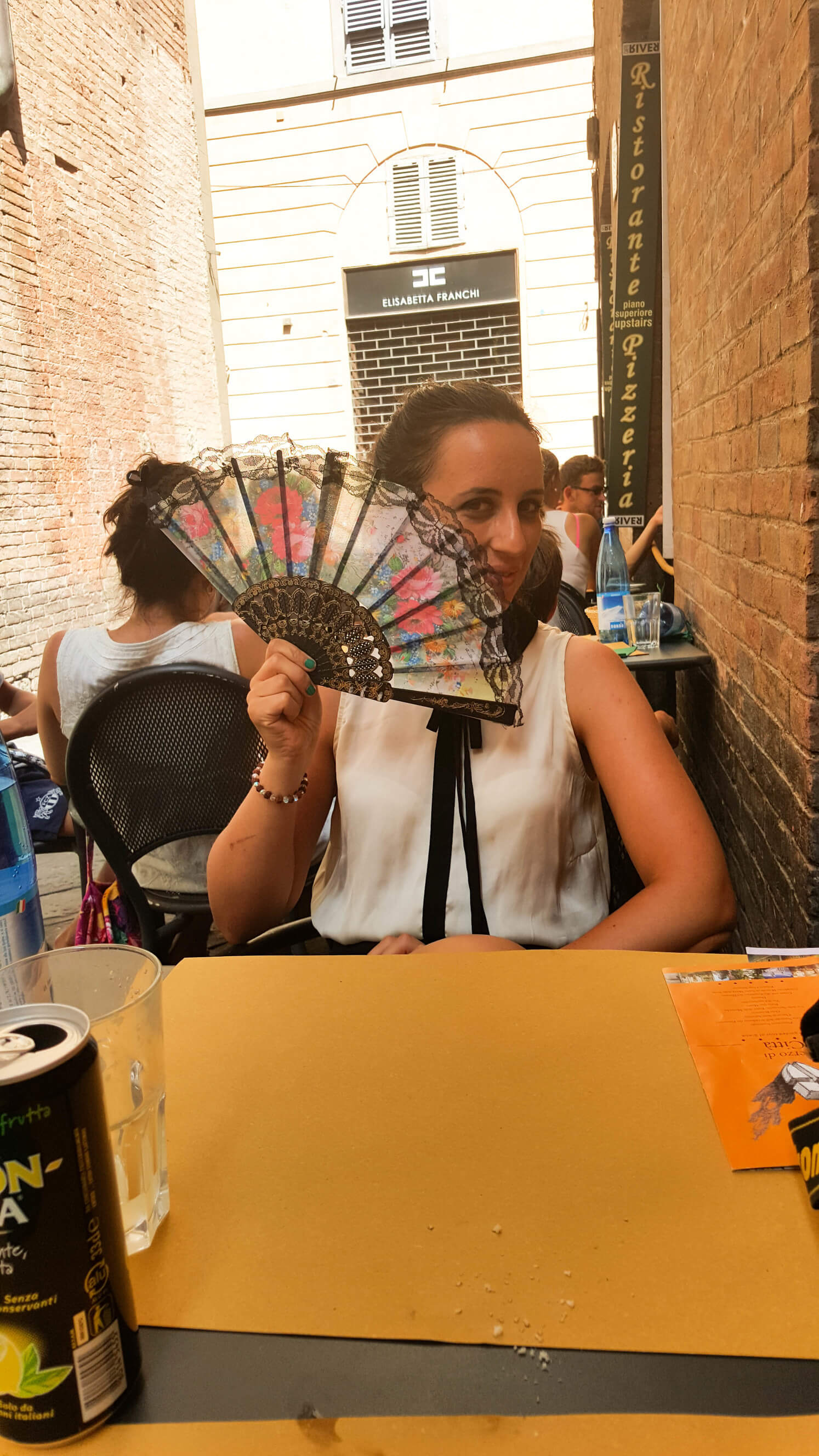
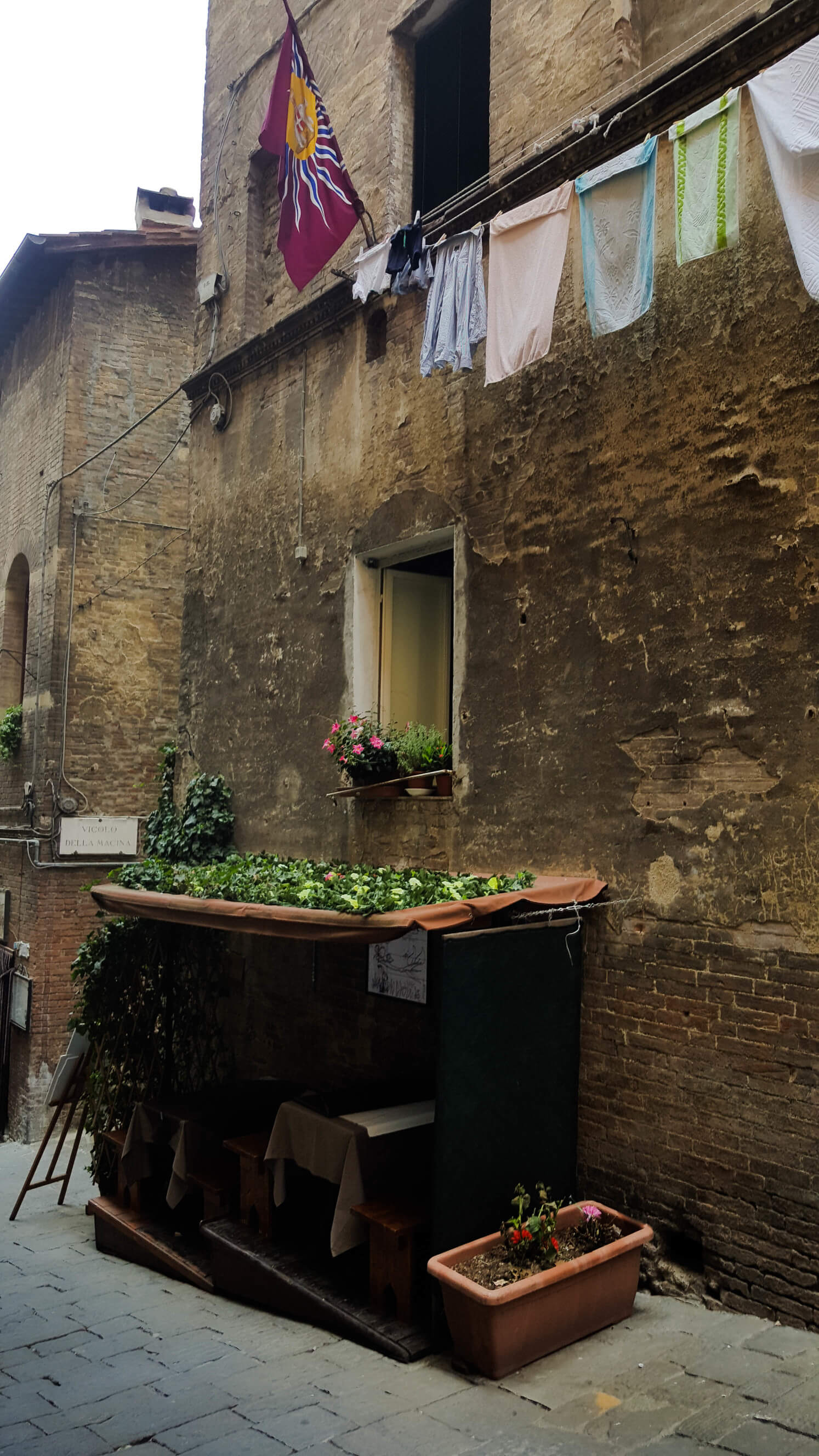
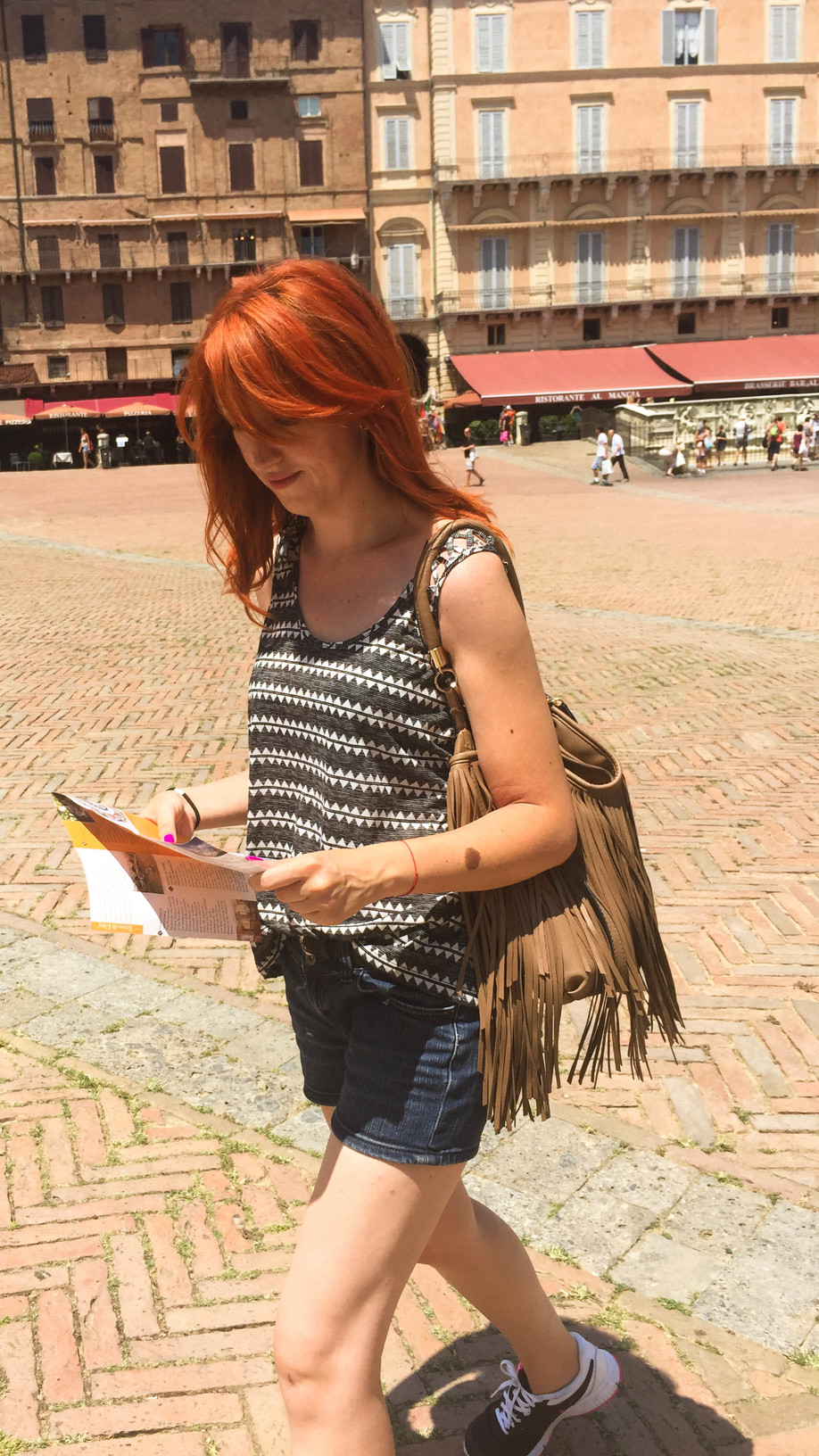
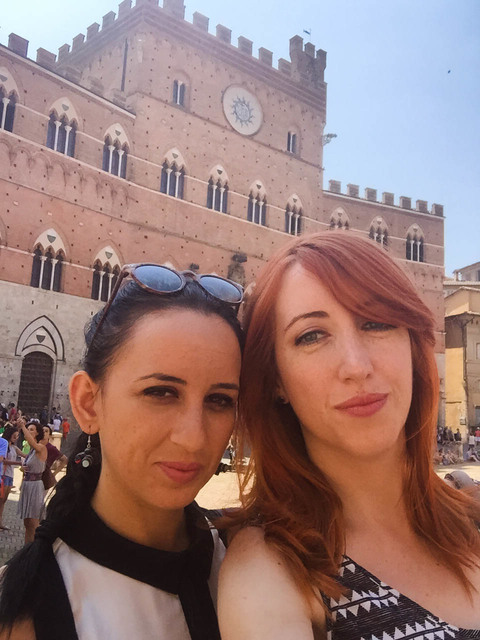
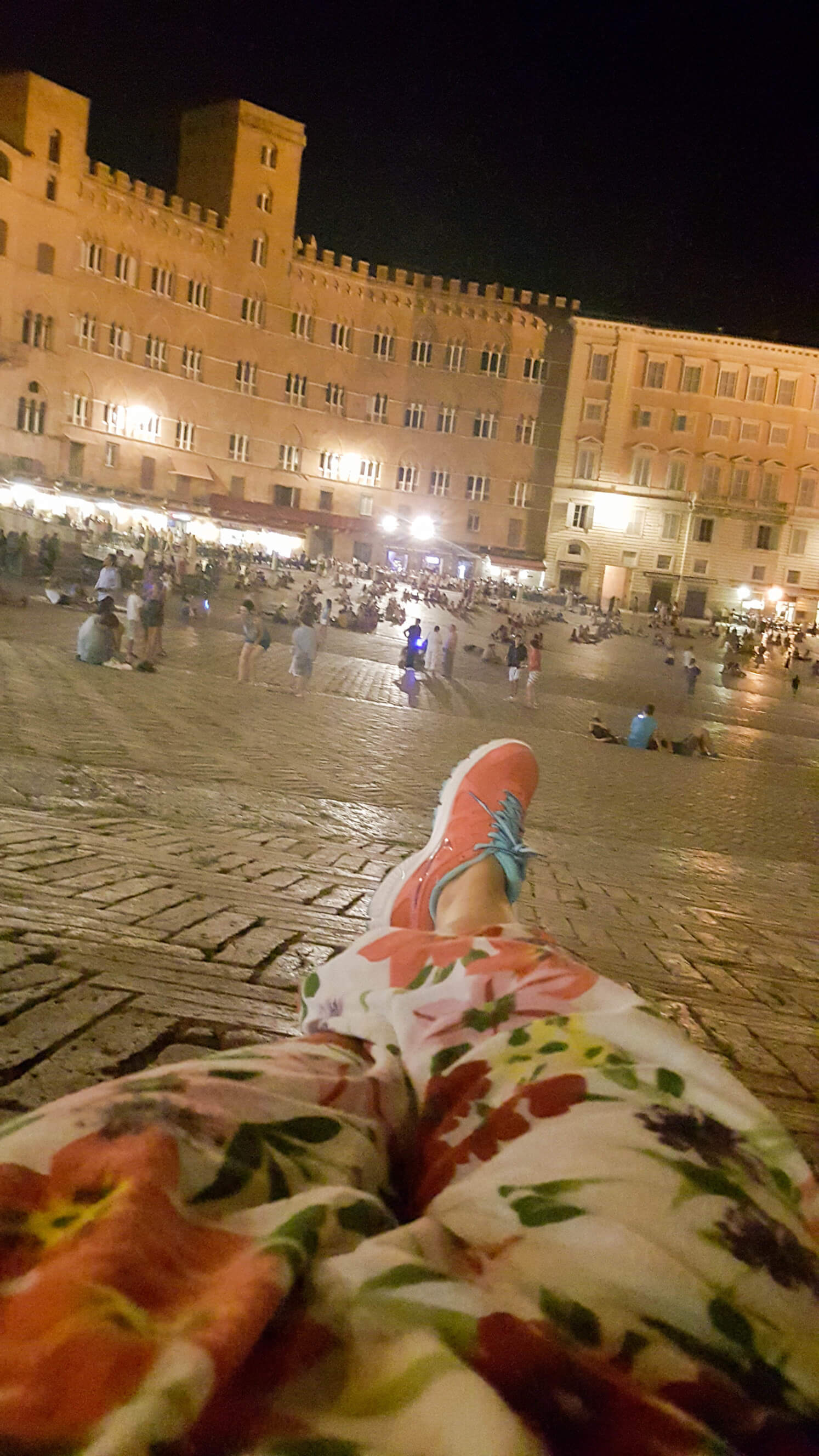
Our apartment was near the Dome, the city center being near us and we went outside to see the city. We got lost on the streets until we reached Piazza del Campo, shaped like a fan, and having many restaurants and terraces on the sides. You find here the most important sights in Siena, Palazzo Publico and Torre del Mangia. It’s interesting that in Piazza del Campo 2 times a year, on 2nd of July and 16th of August takes place the famous derby Palio di Siena, this being the way in witch the rivalries between the contradas (the 17 traditional districts of Siena, each having an animal name) are being resolved. It was almost 10 PM but it was still very hot outside, 32* Celsius and many people were just relaxing on the concrete in the square, catching up with a drink in their hands.
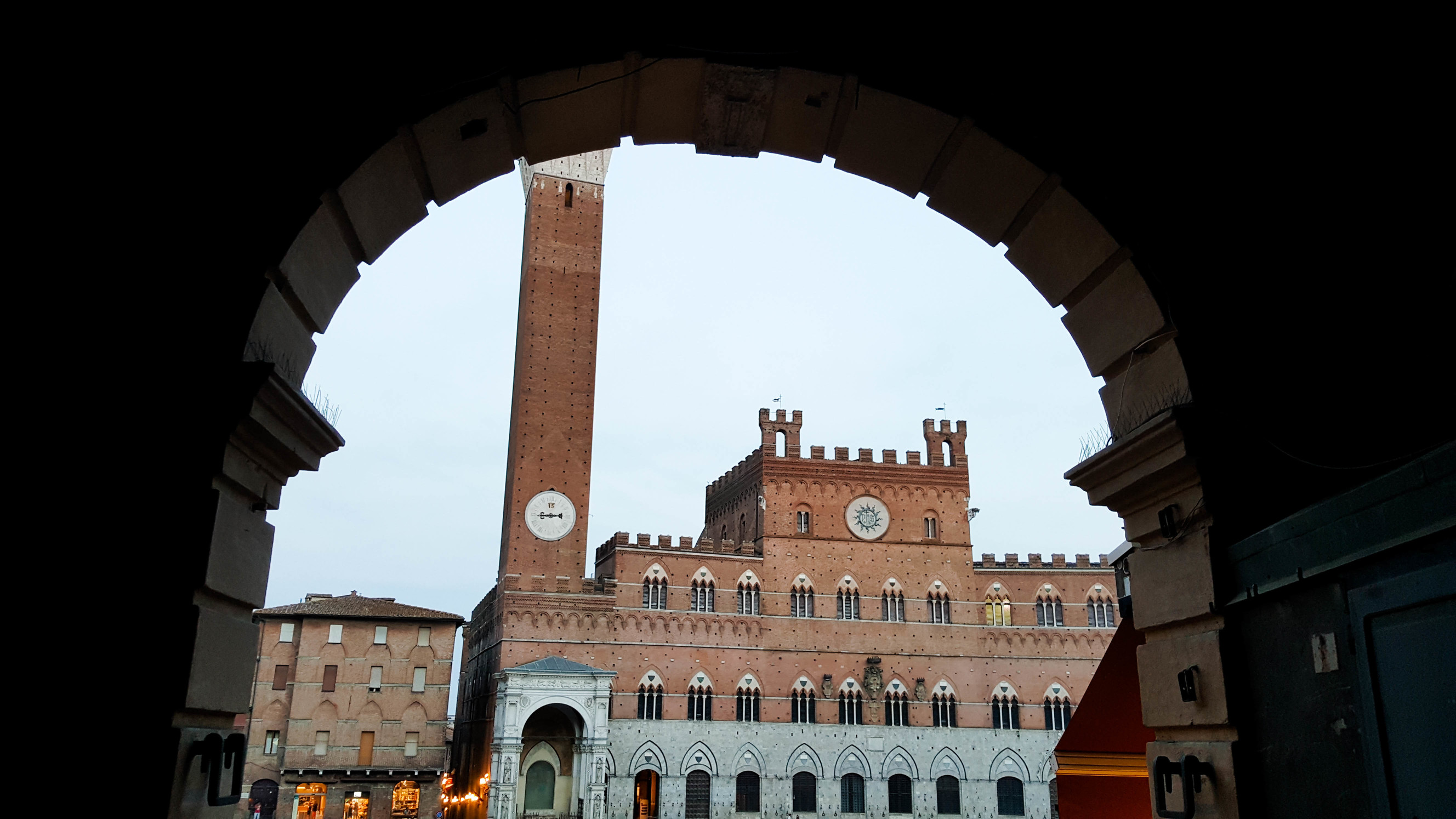
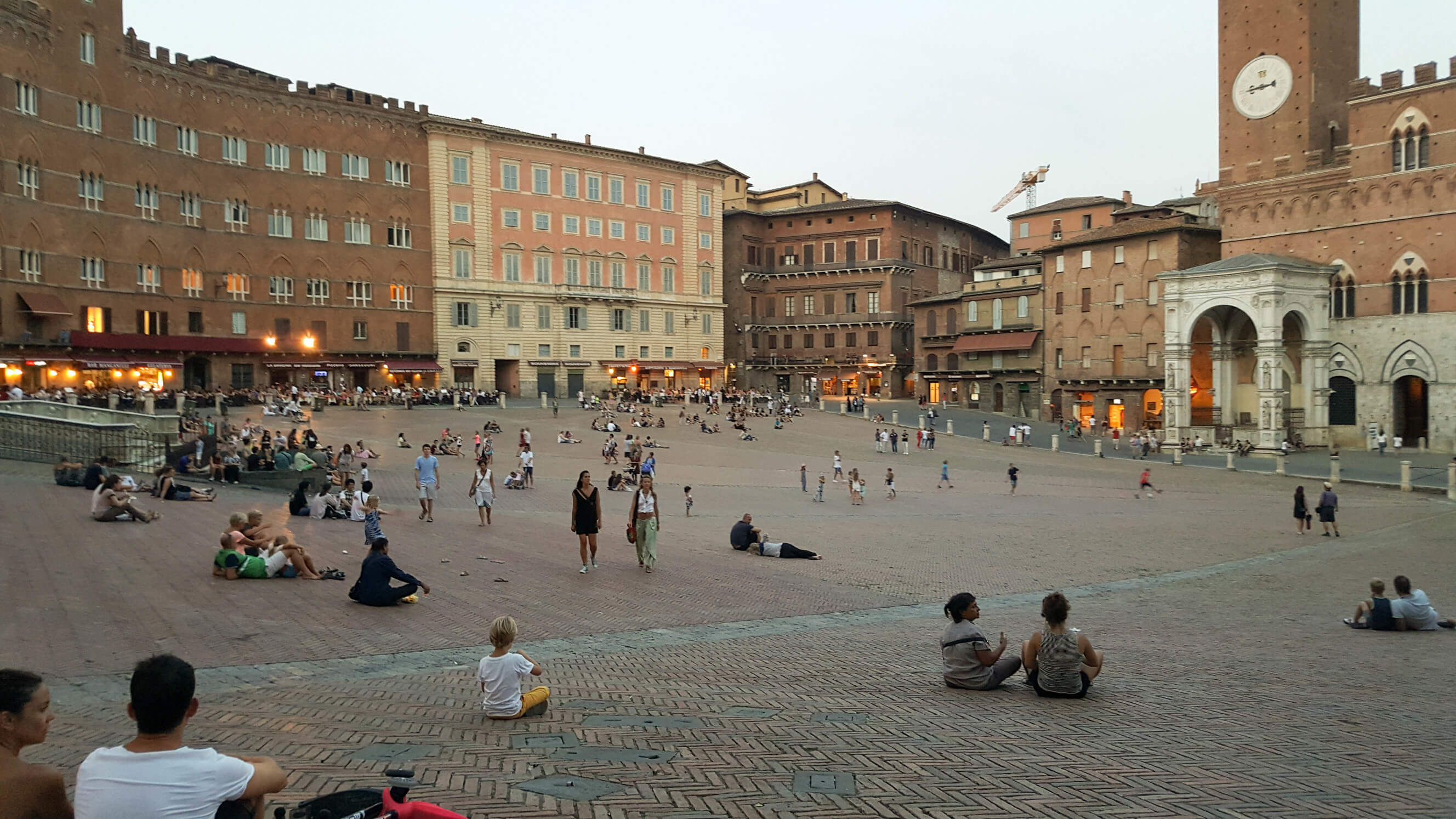
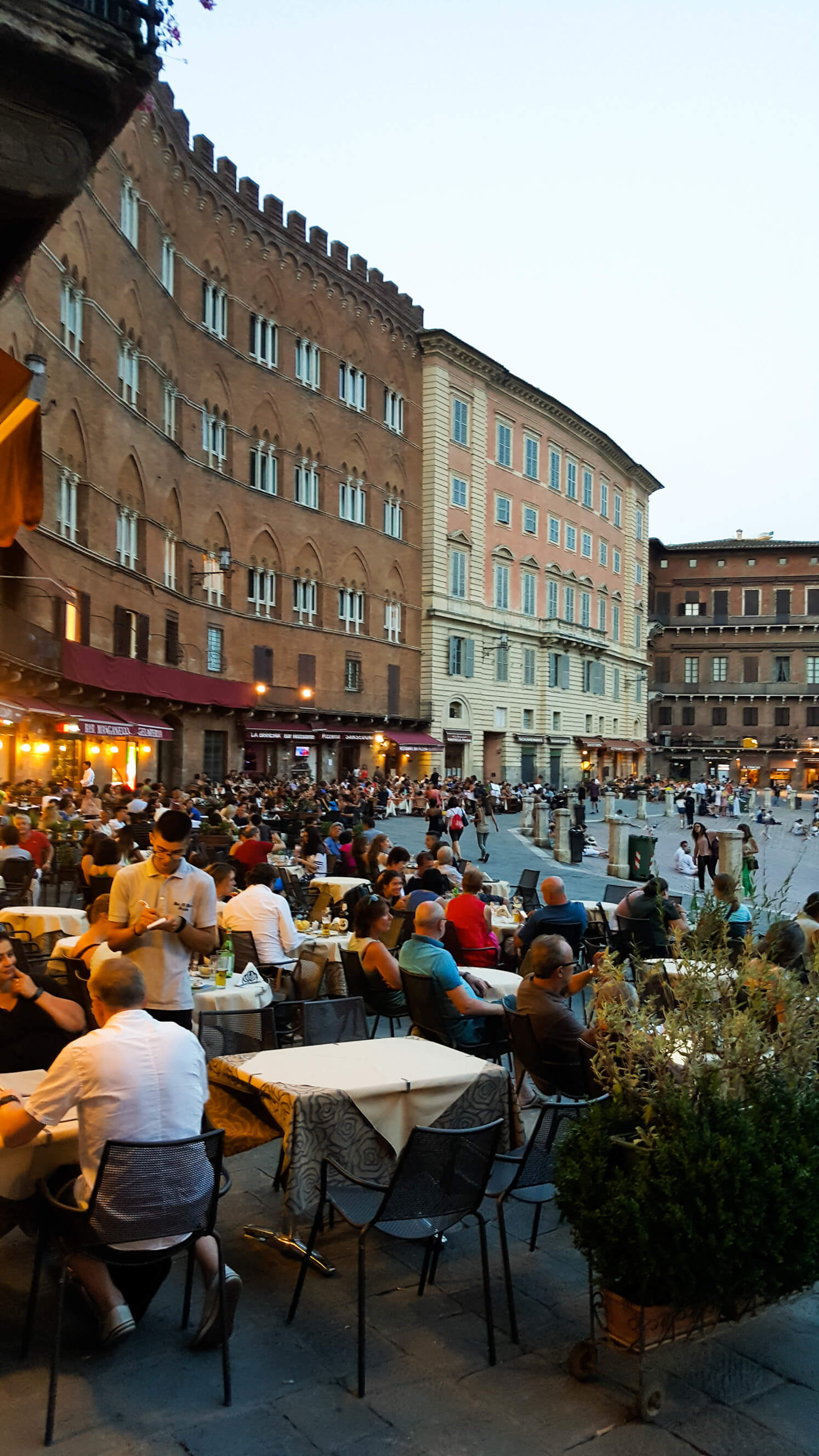
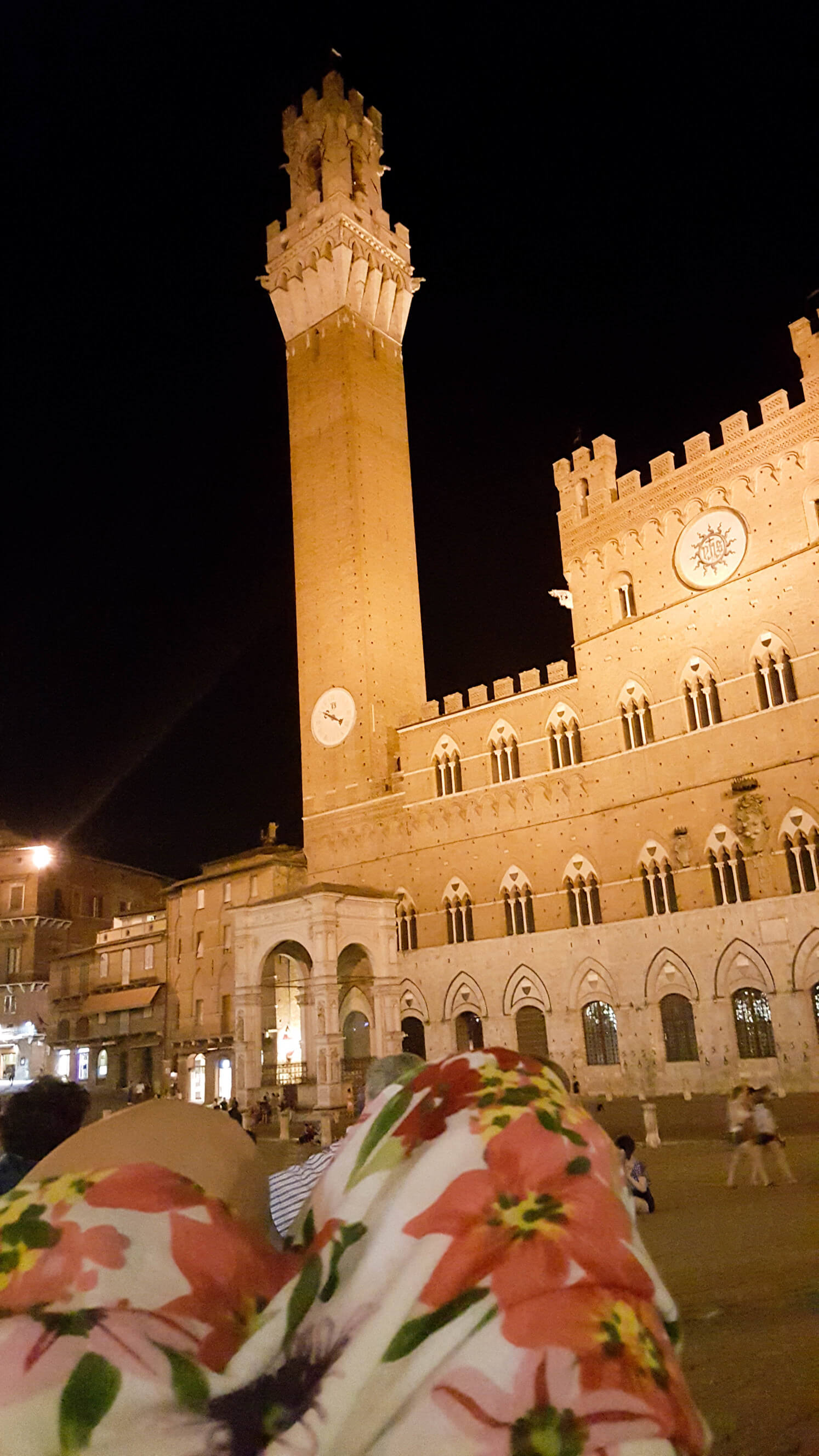
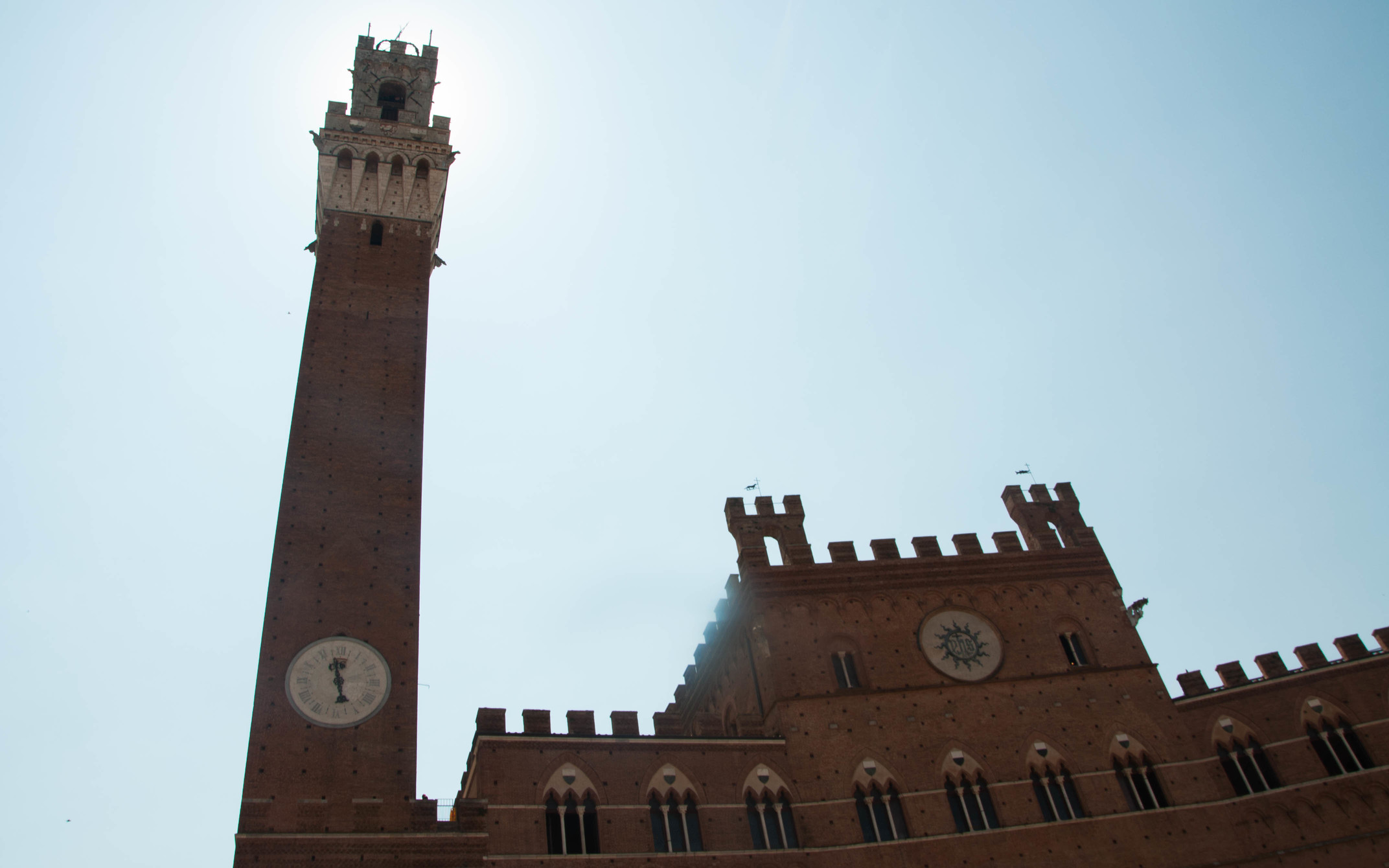
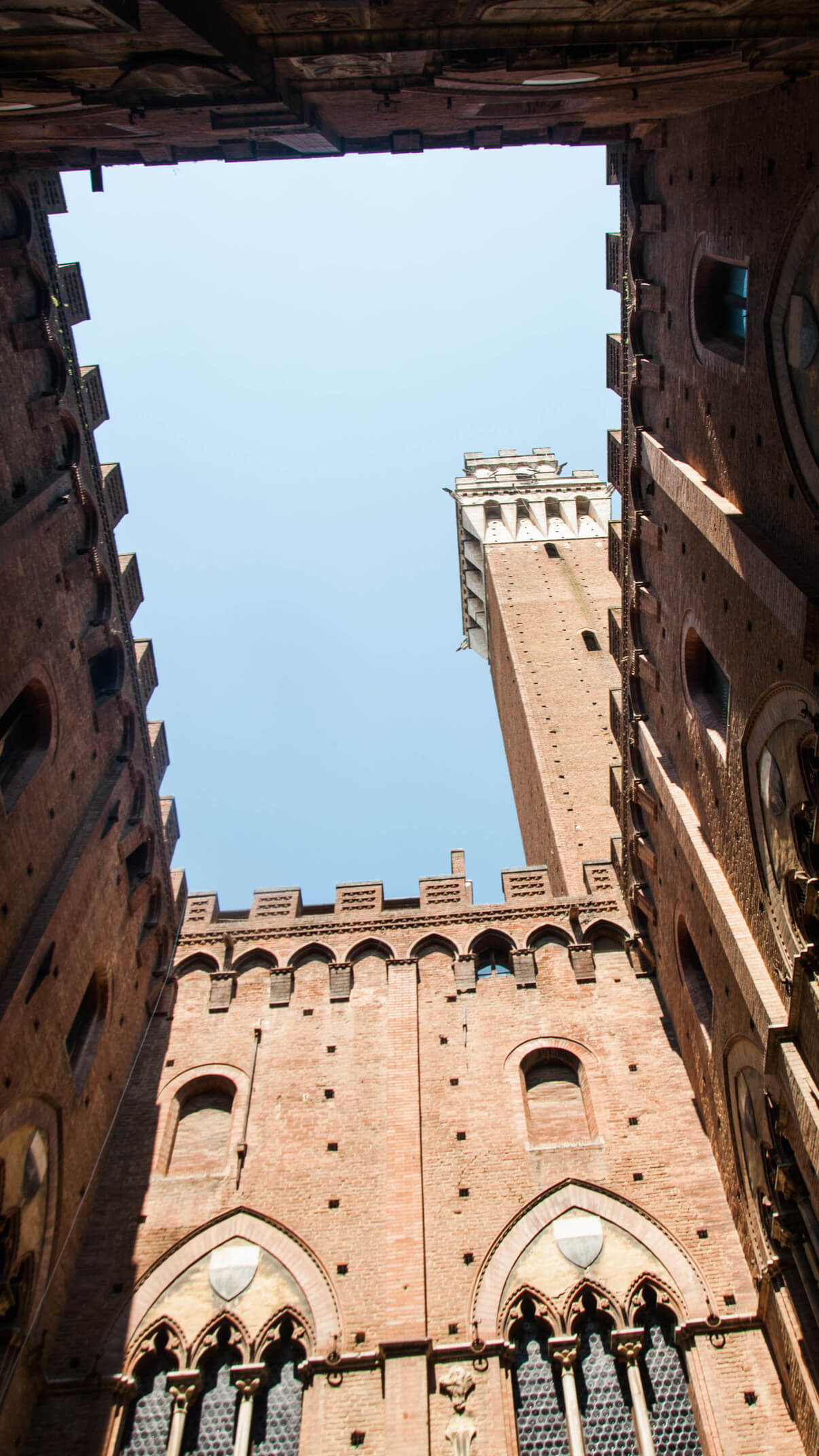
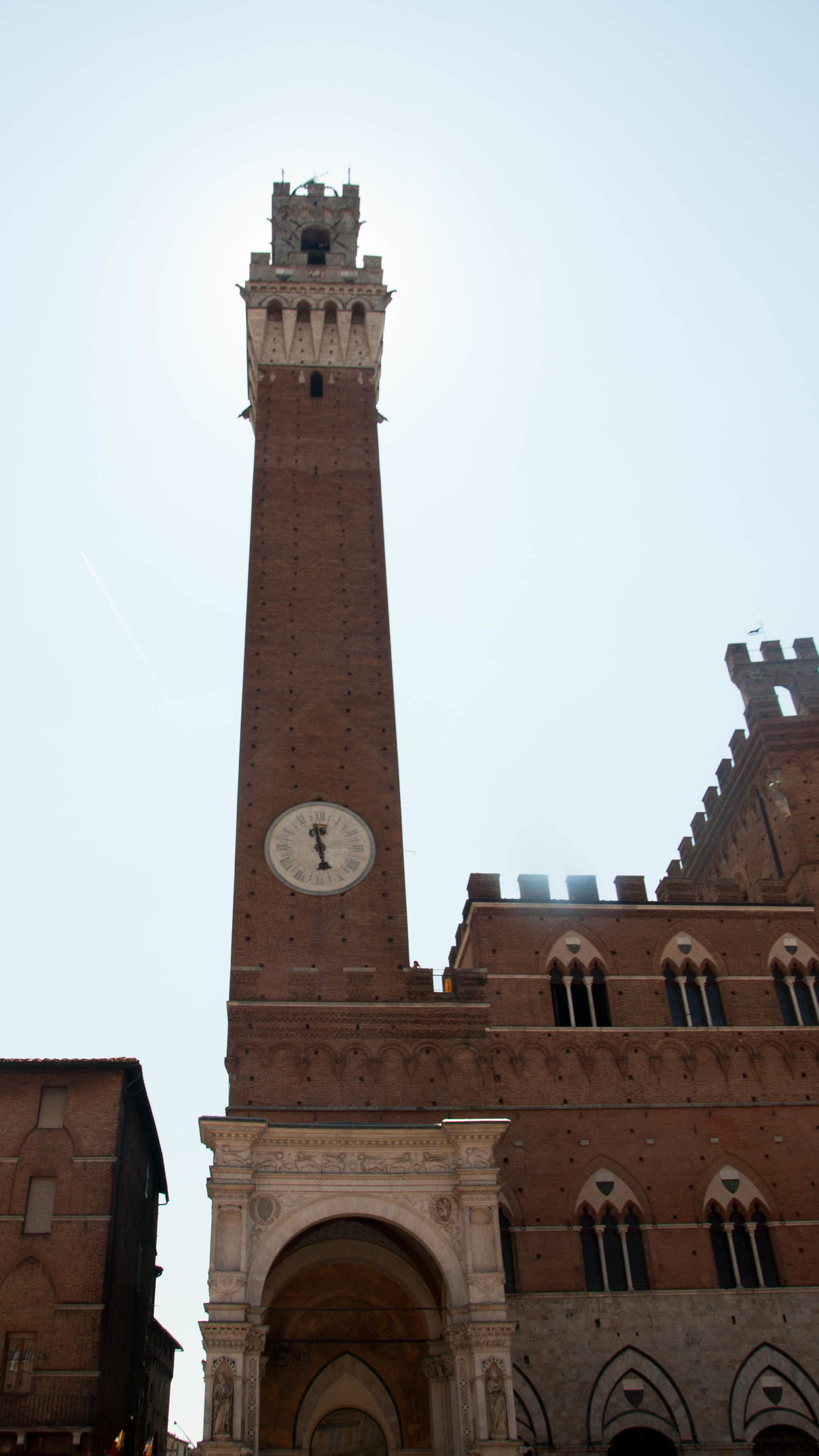
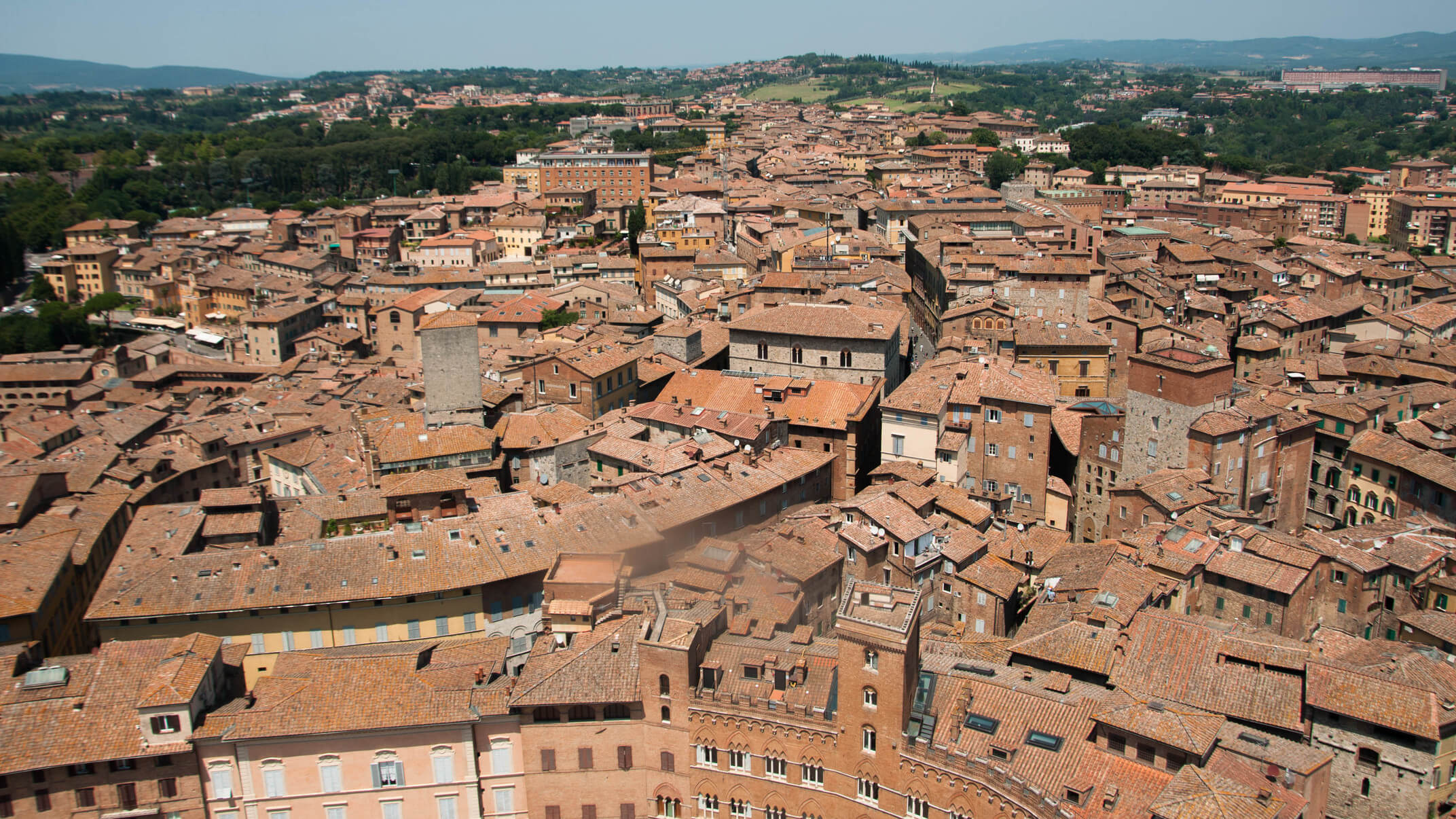
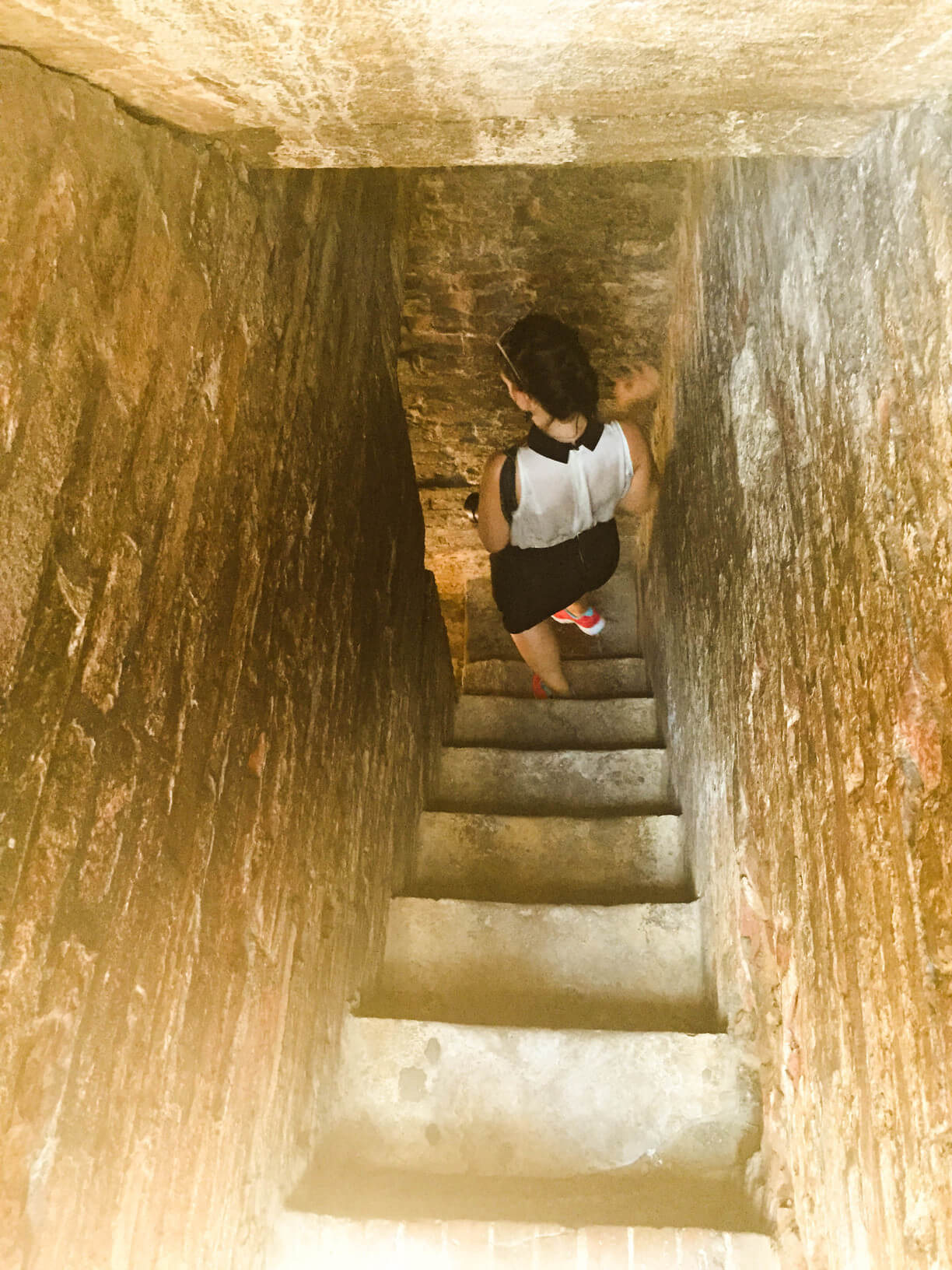
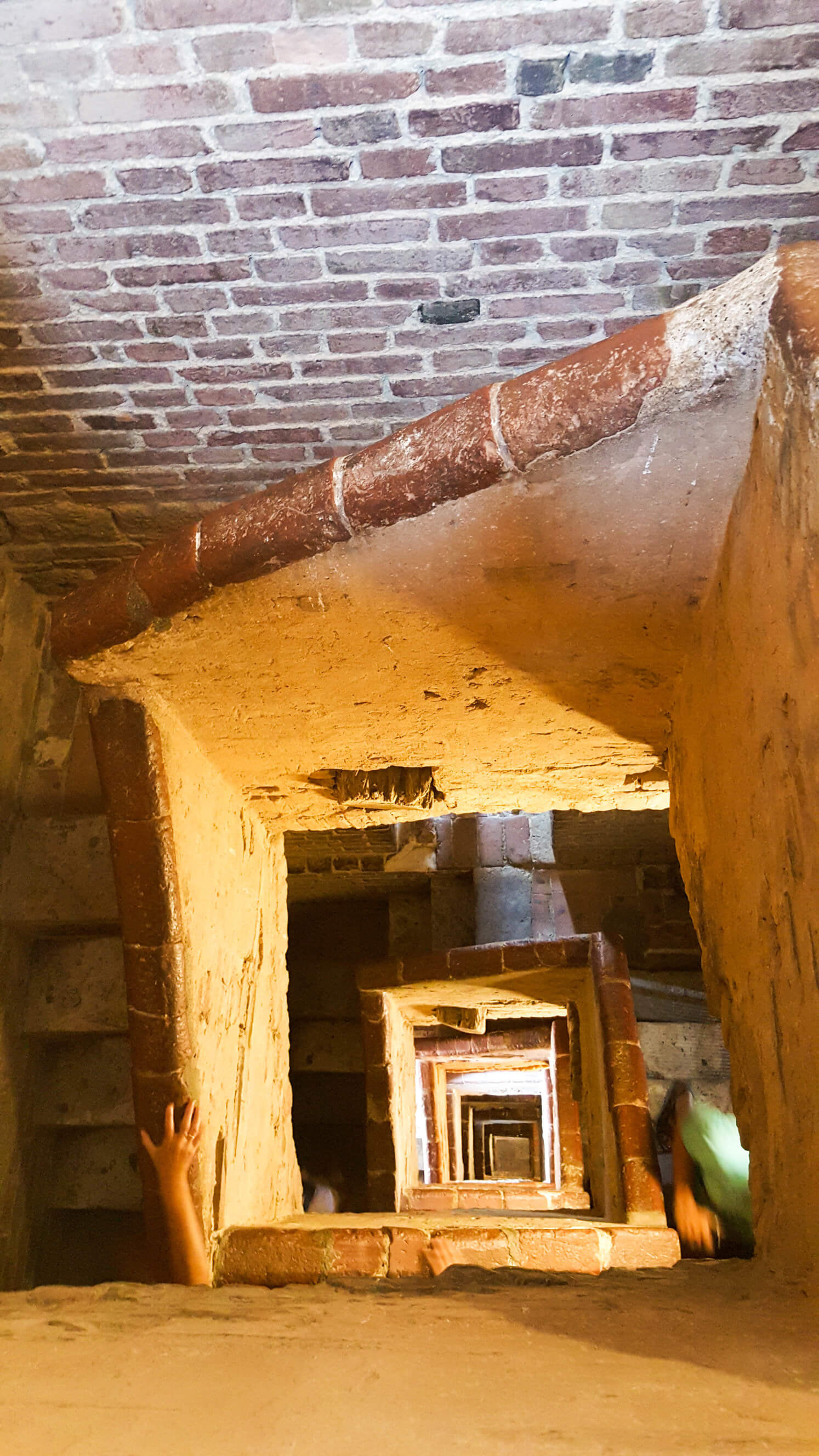
The next day the bell from the Dome woke us up at 7 am. Our apartment was next to the Dome so you can imagine the confusion when we heard it the first time. We went towards Piazza del Campo, took a few pictures and visited Palazzo Publico and Torre del Mangia. The Palace is a Gothic building that host the city hall and the Civic Museum with some of the rooms opened for the public. For Torre del Mangia you have to wait about half n hour because you go by elevator and the you have to climb some stairs. Torre del Mangia is the symbol of the city at 87 meters height and to reach the top of it you have to climb 400 steps. The view is definitely worth it though.
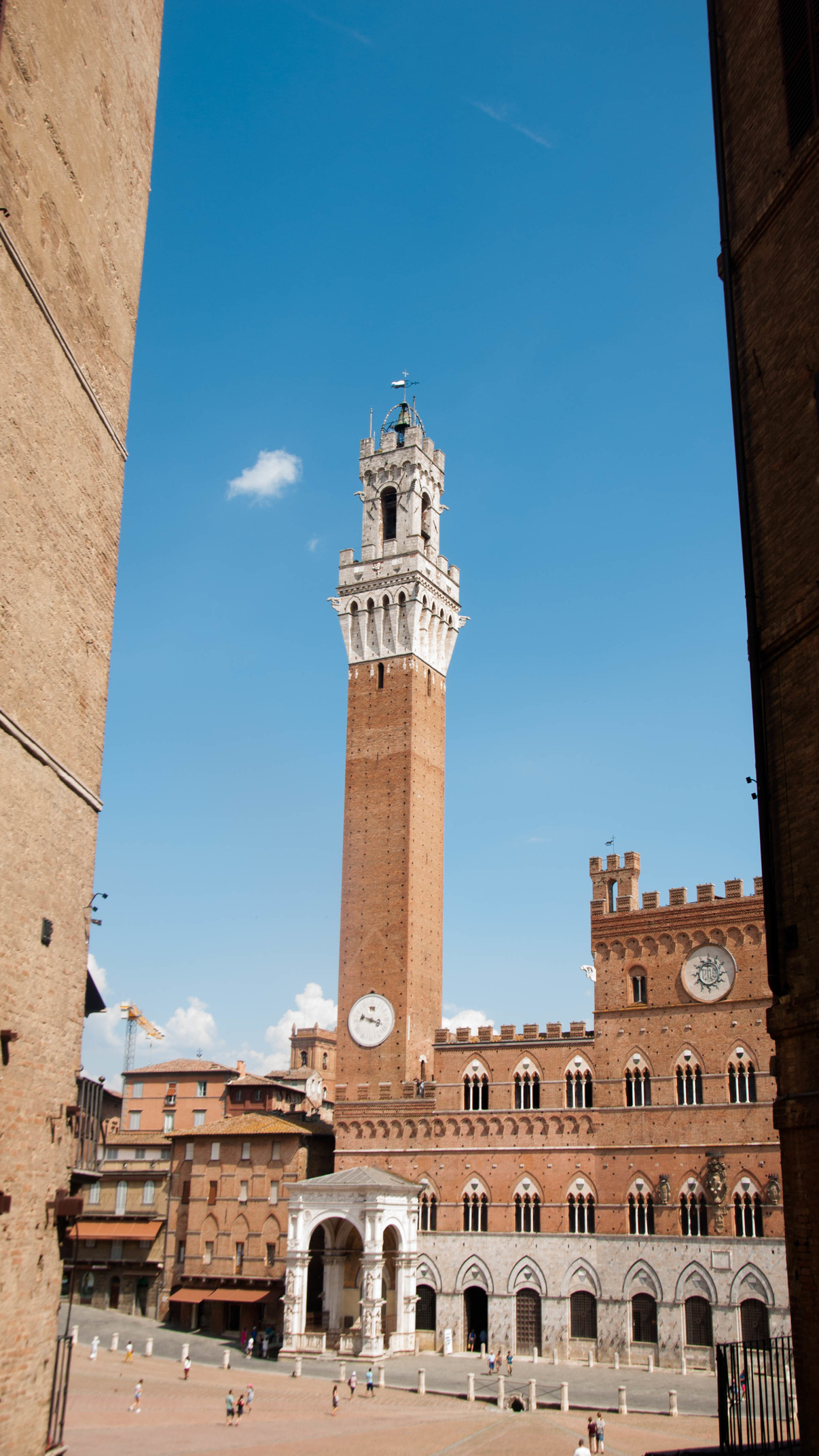
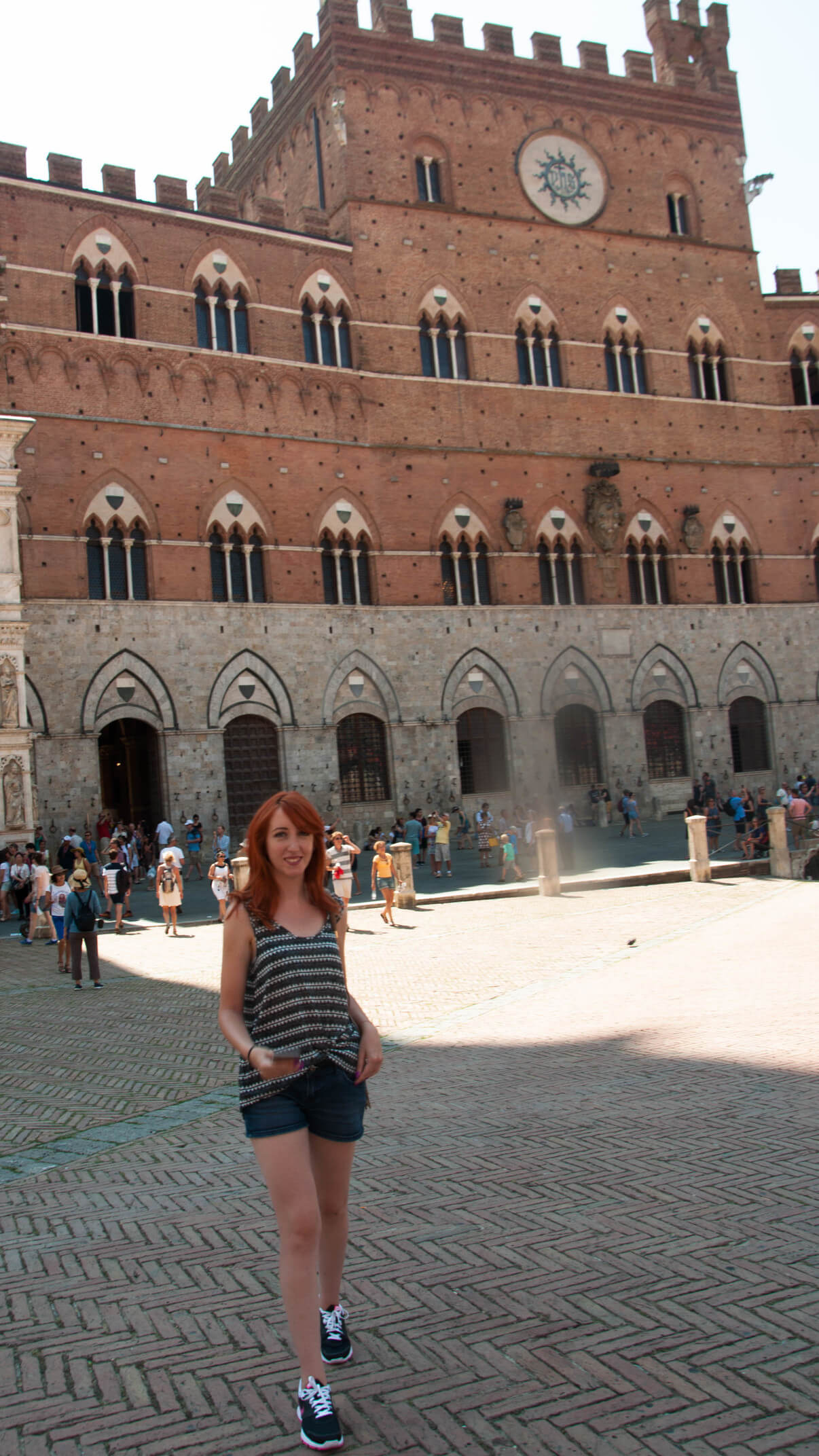
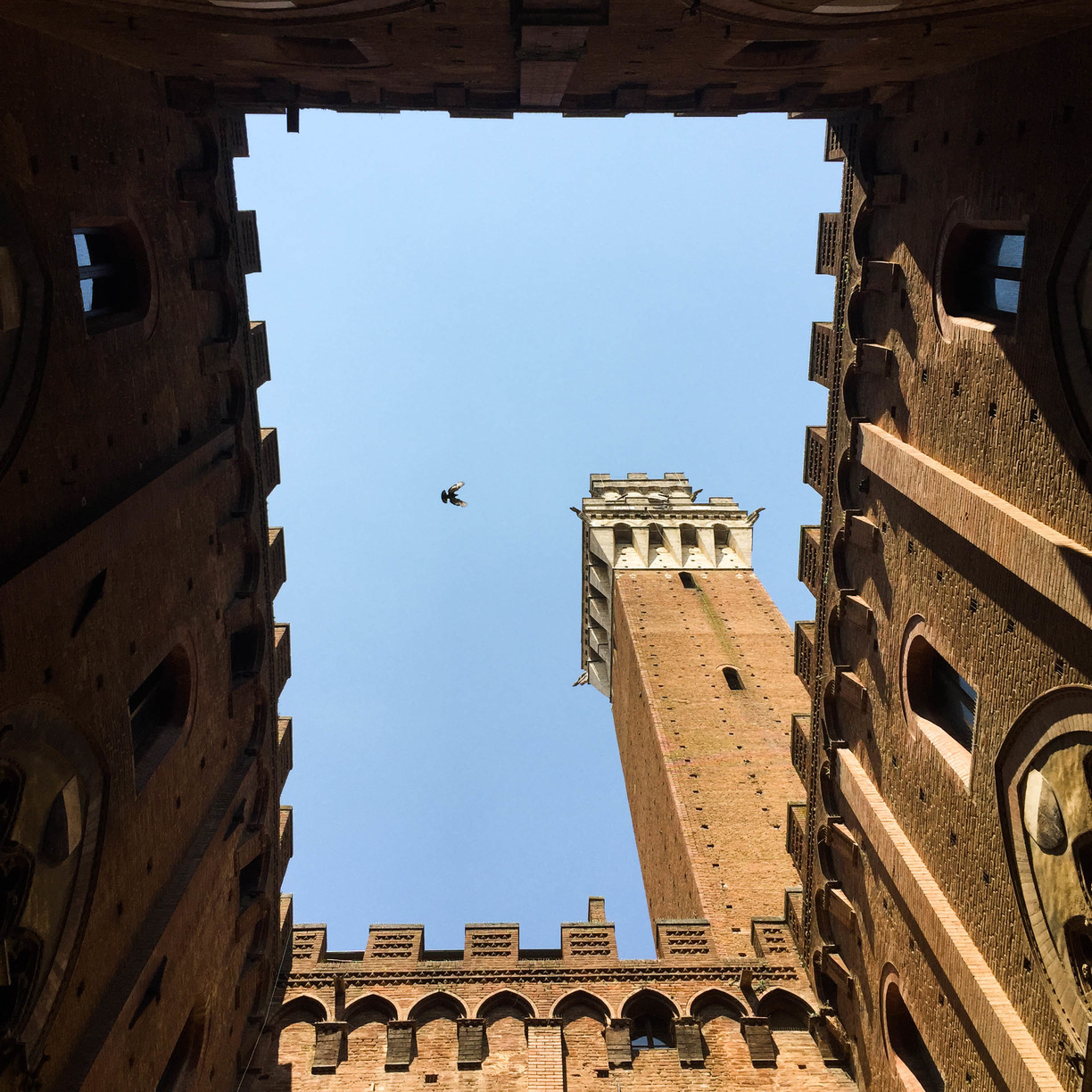
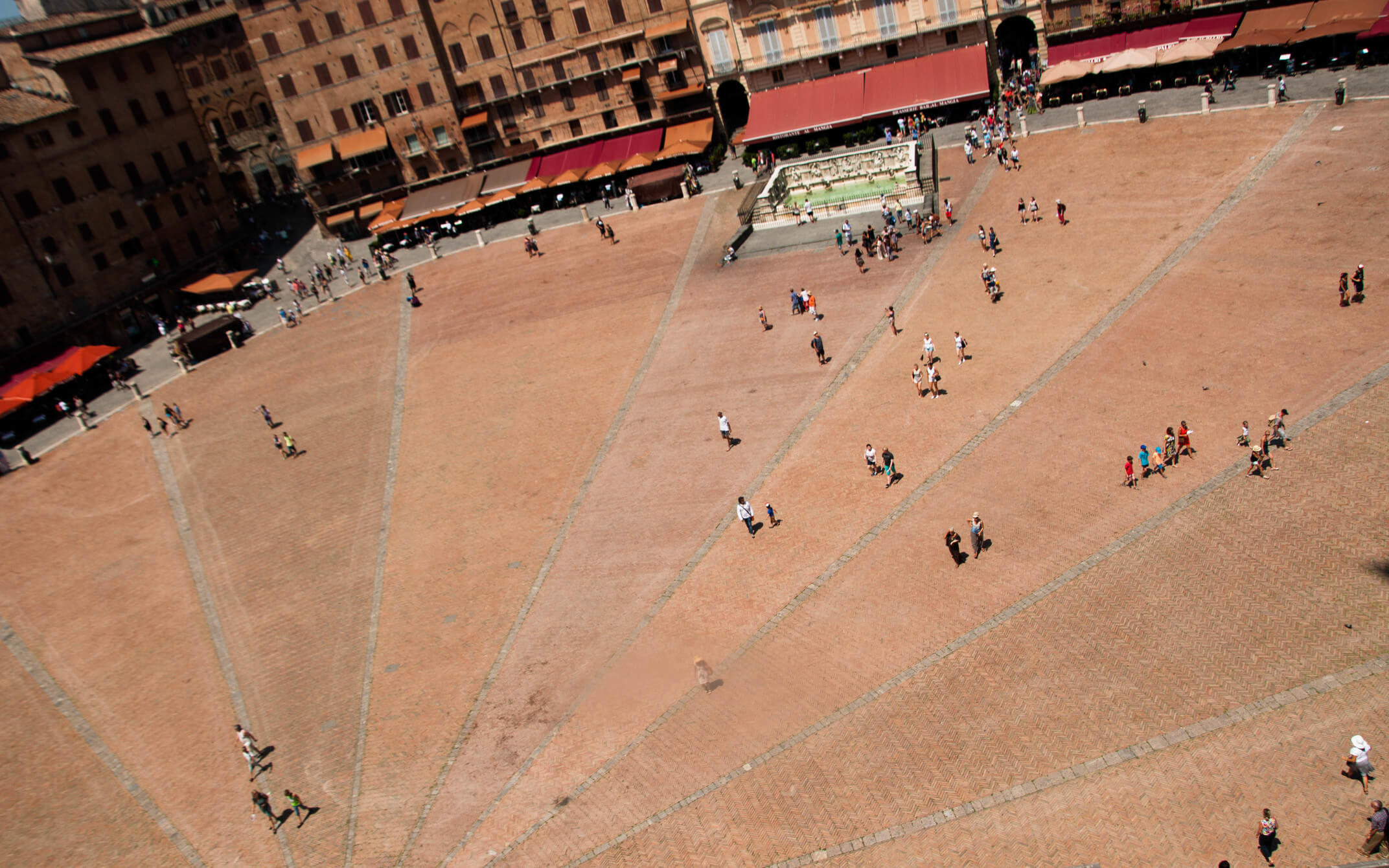

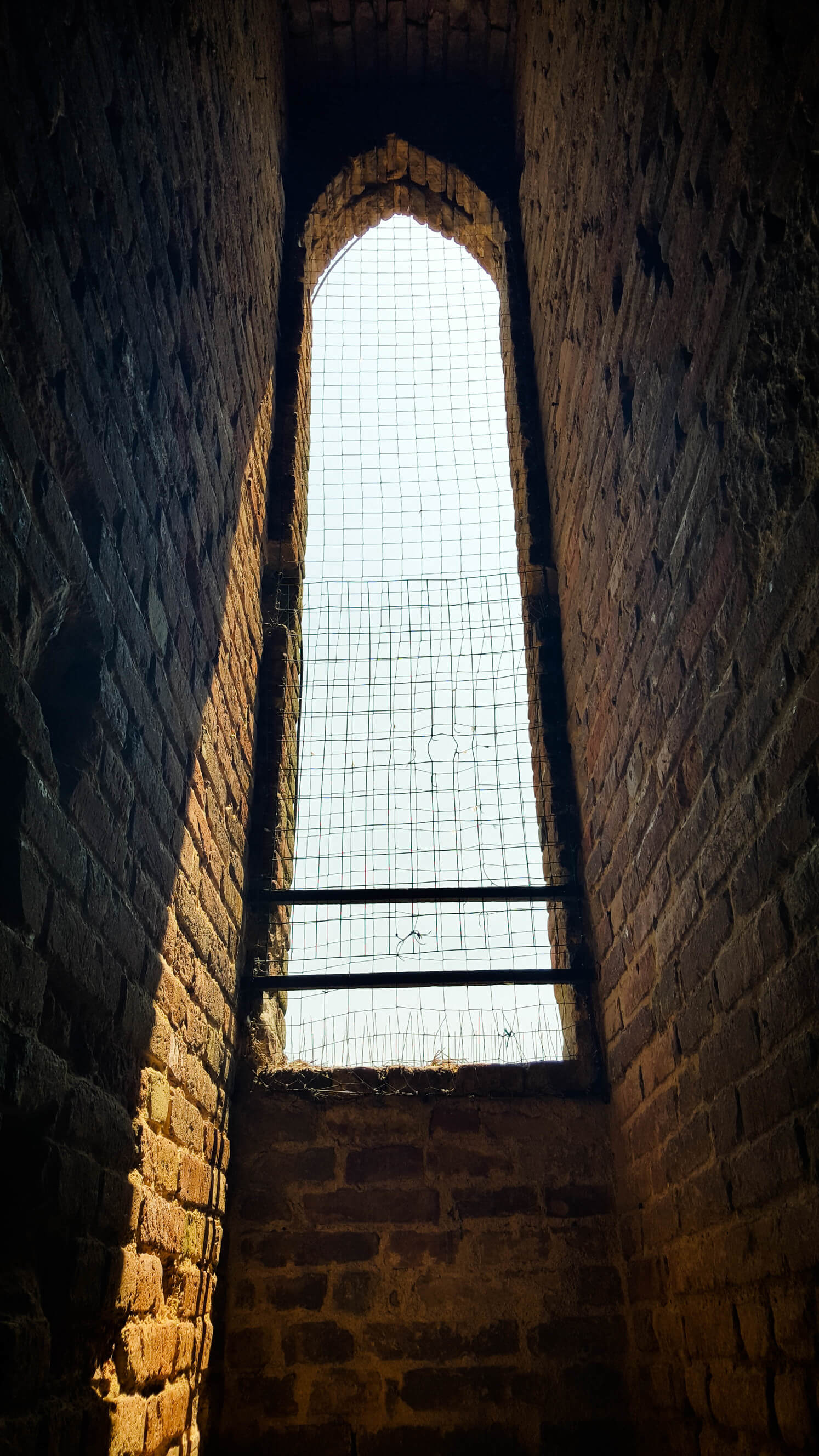
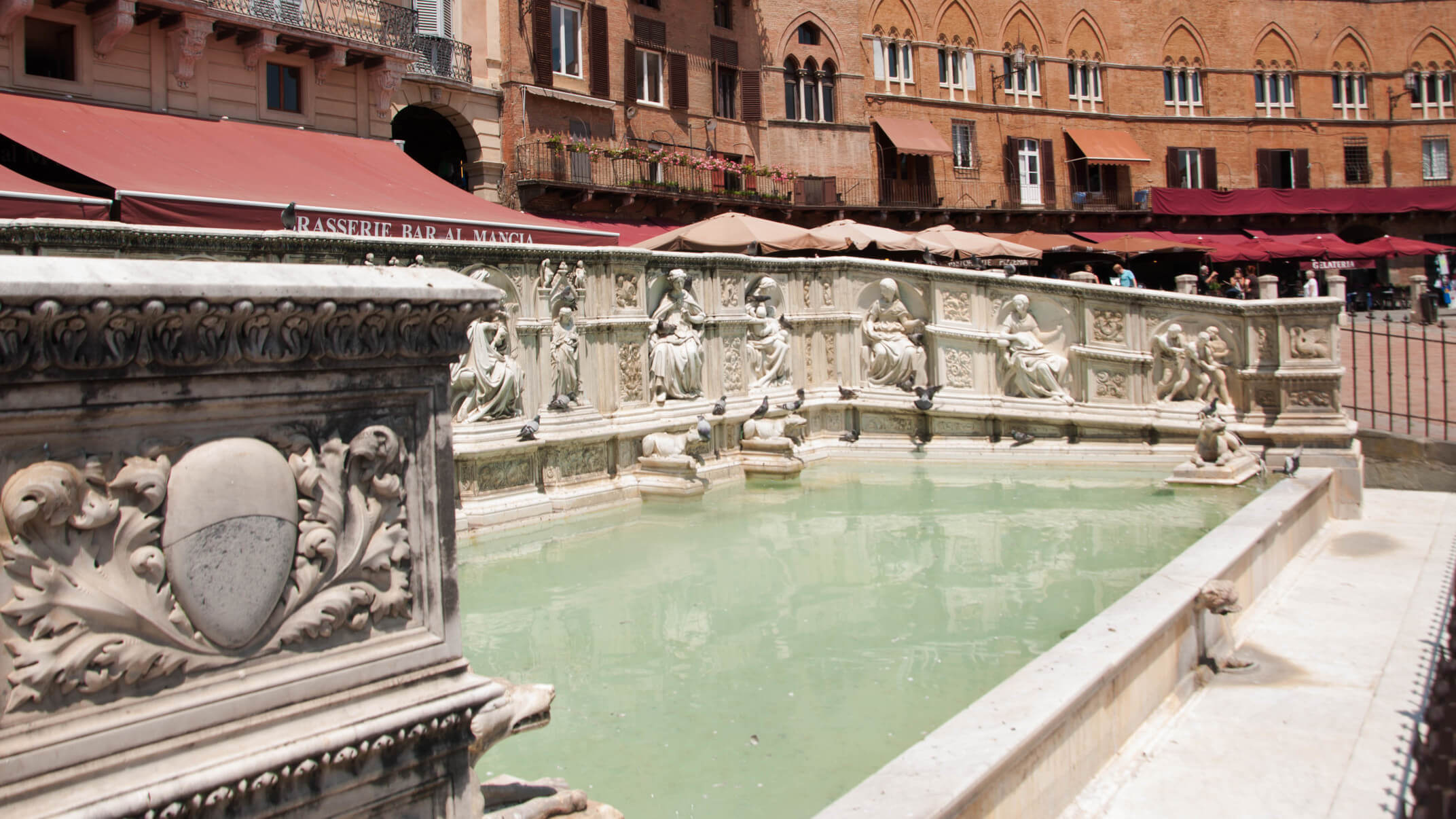
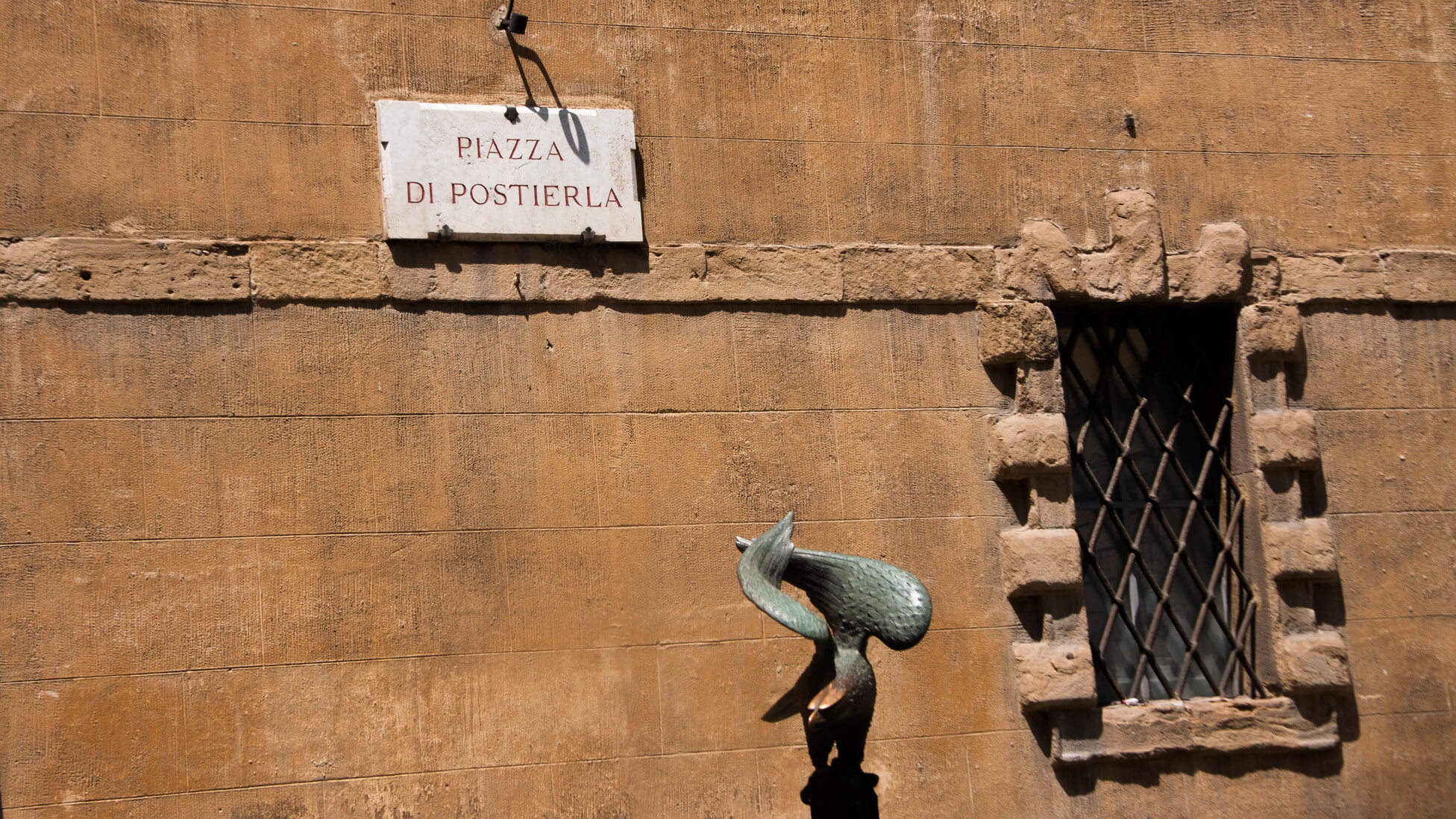
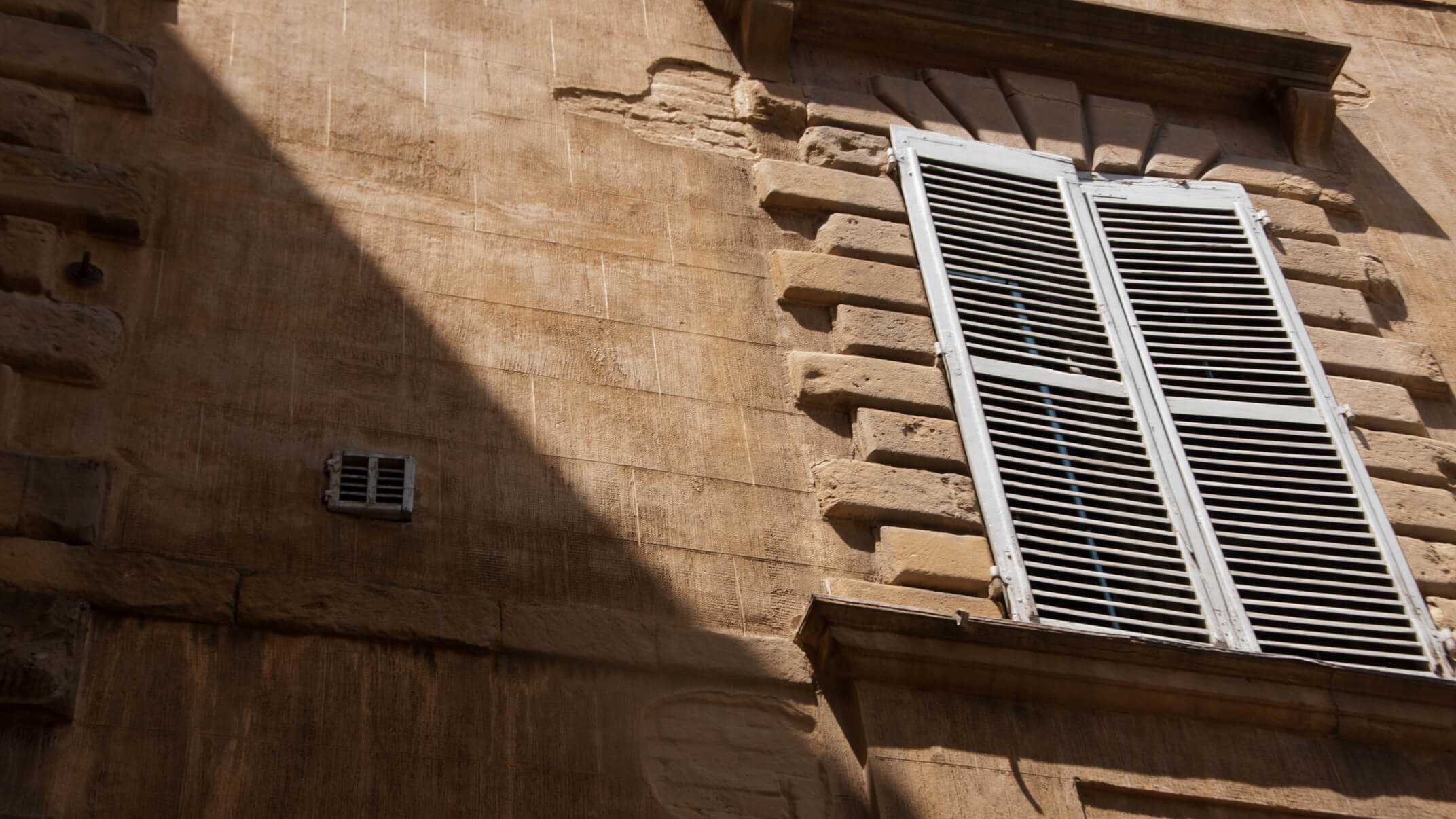
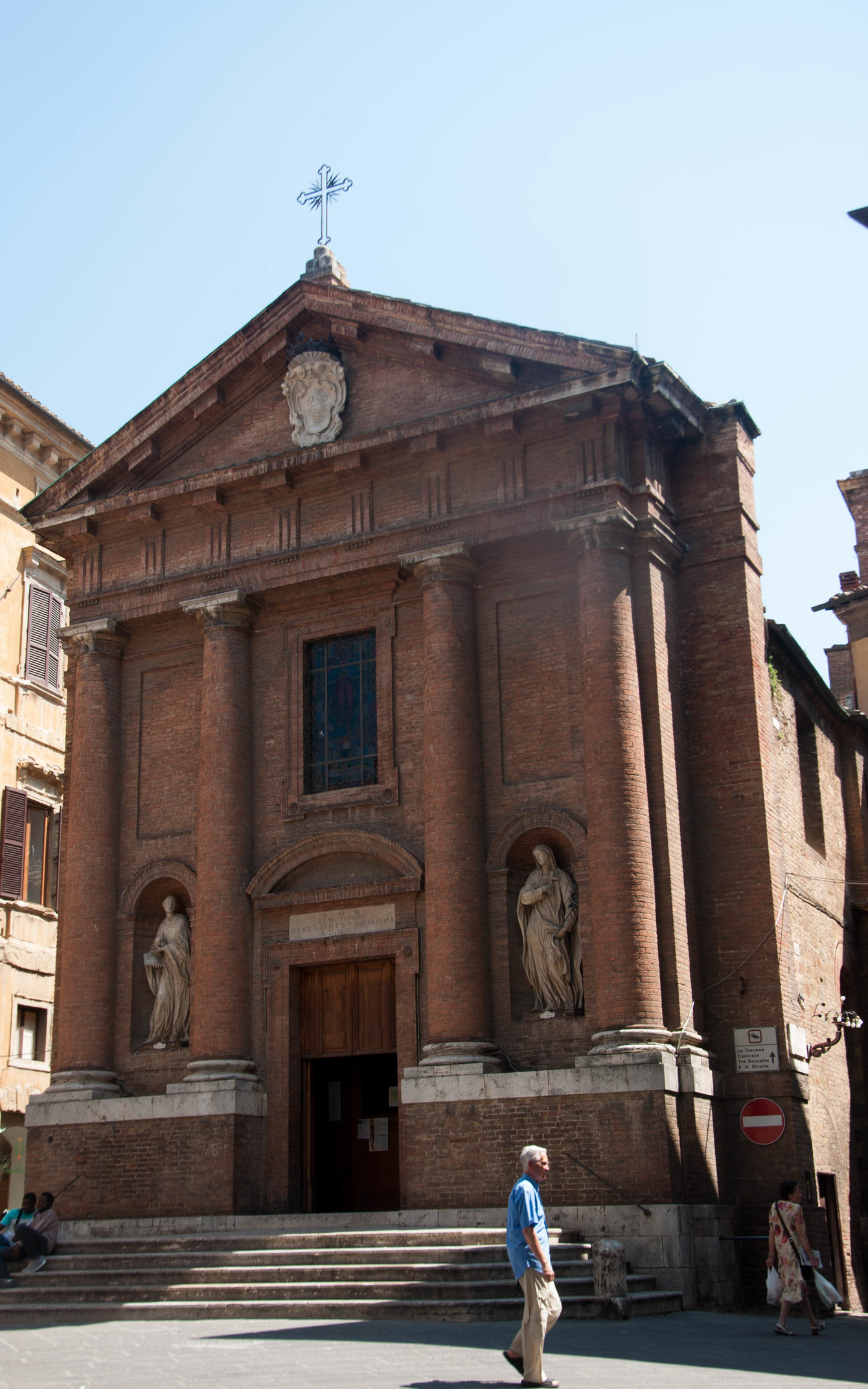
In Piazza del Campo you’ll also find the Fonte Gaia (The Fountain of Joy), having its name from the joy that the locals felt when they saw for the first time the water in the square. The original one was replaced in the 14th century by this copy that we admire today. Leaving Piazza del Campo we arrived in Piazza Tolomei where you can find the St. Cristopher Church. Then we went to Piazza di Postierla, situated at the end of Terzo di Citta area. We found here the smallest window in the world, but you have to find it yourself and pay attention because there’s no sign to it.
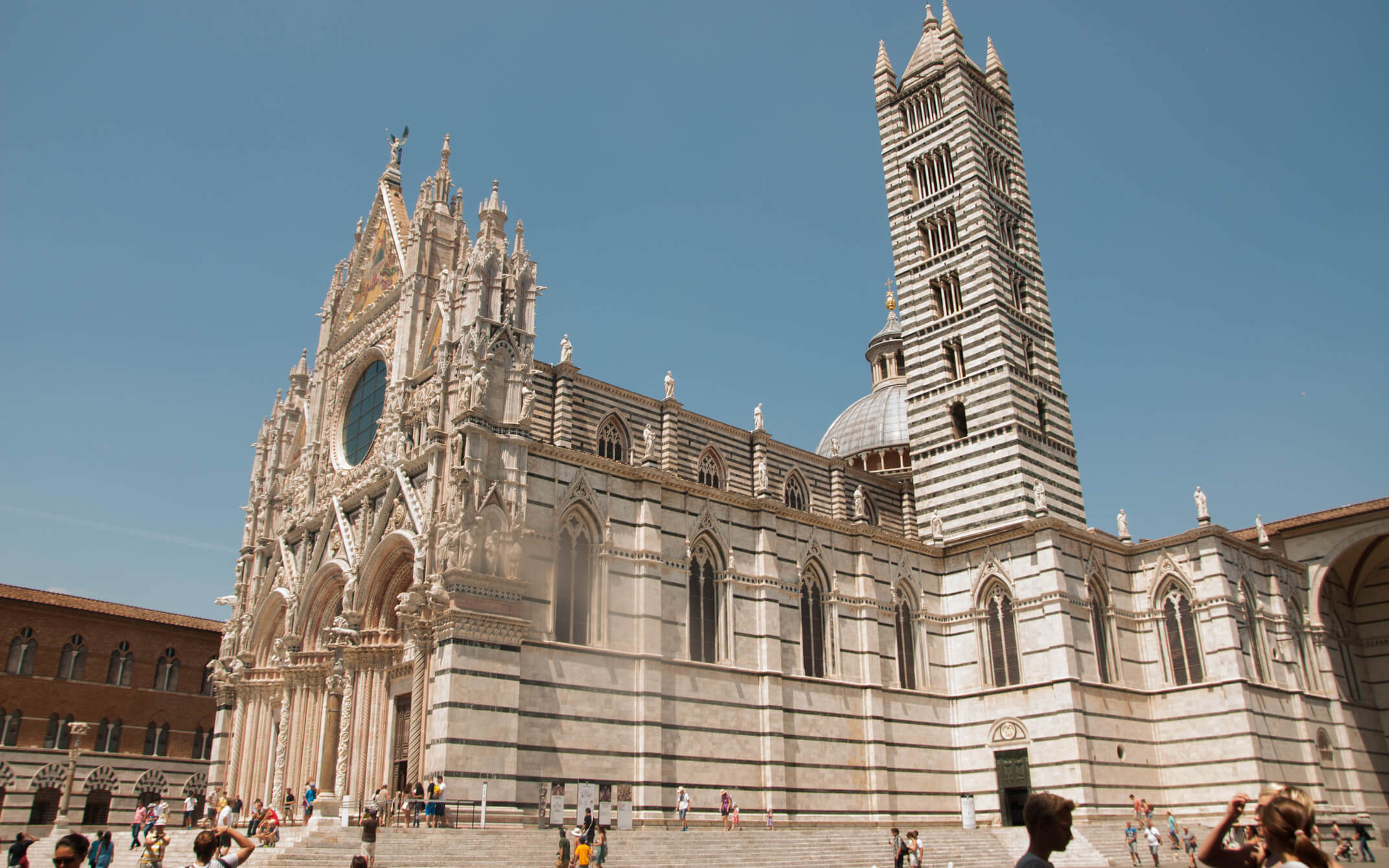
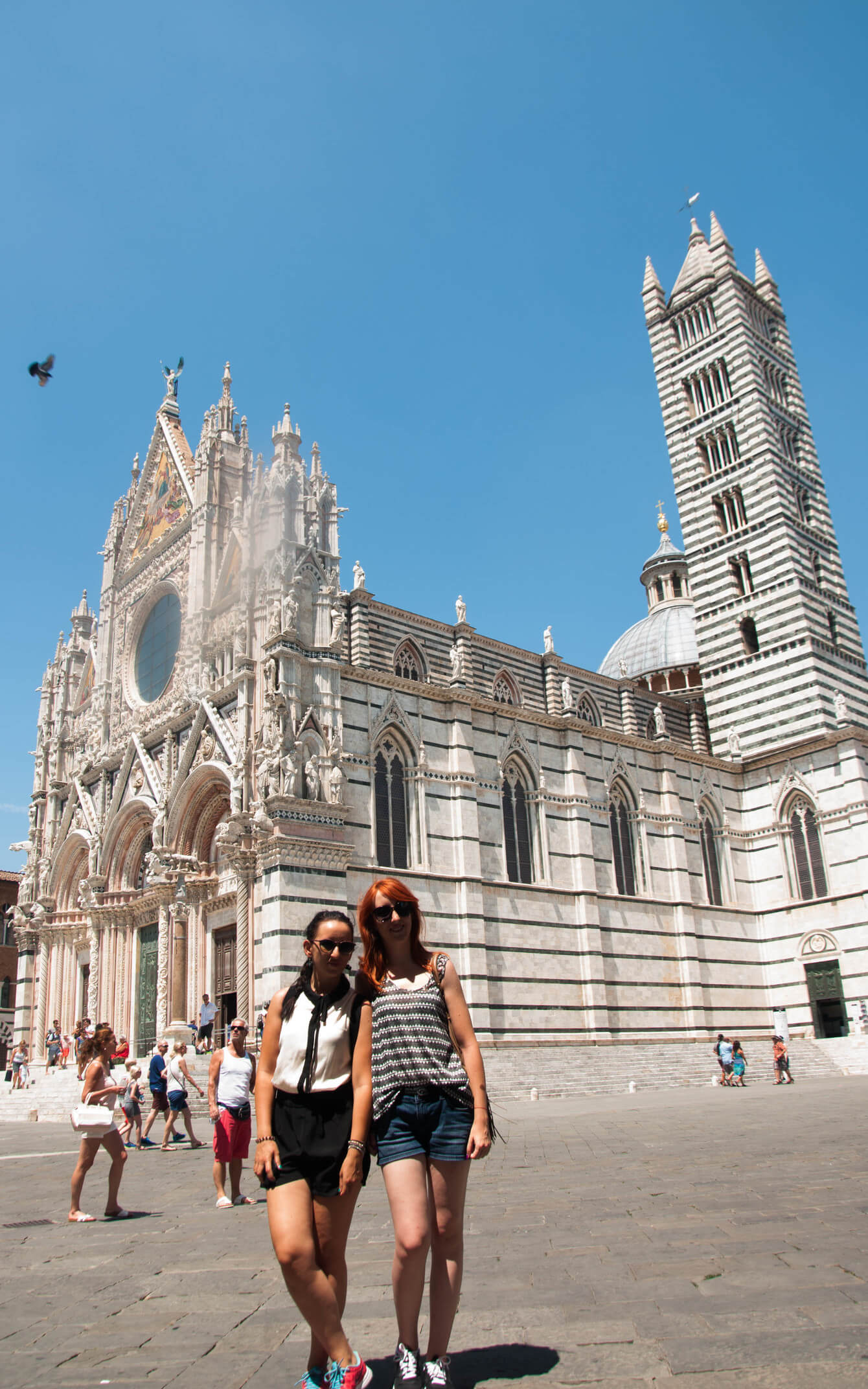
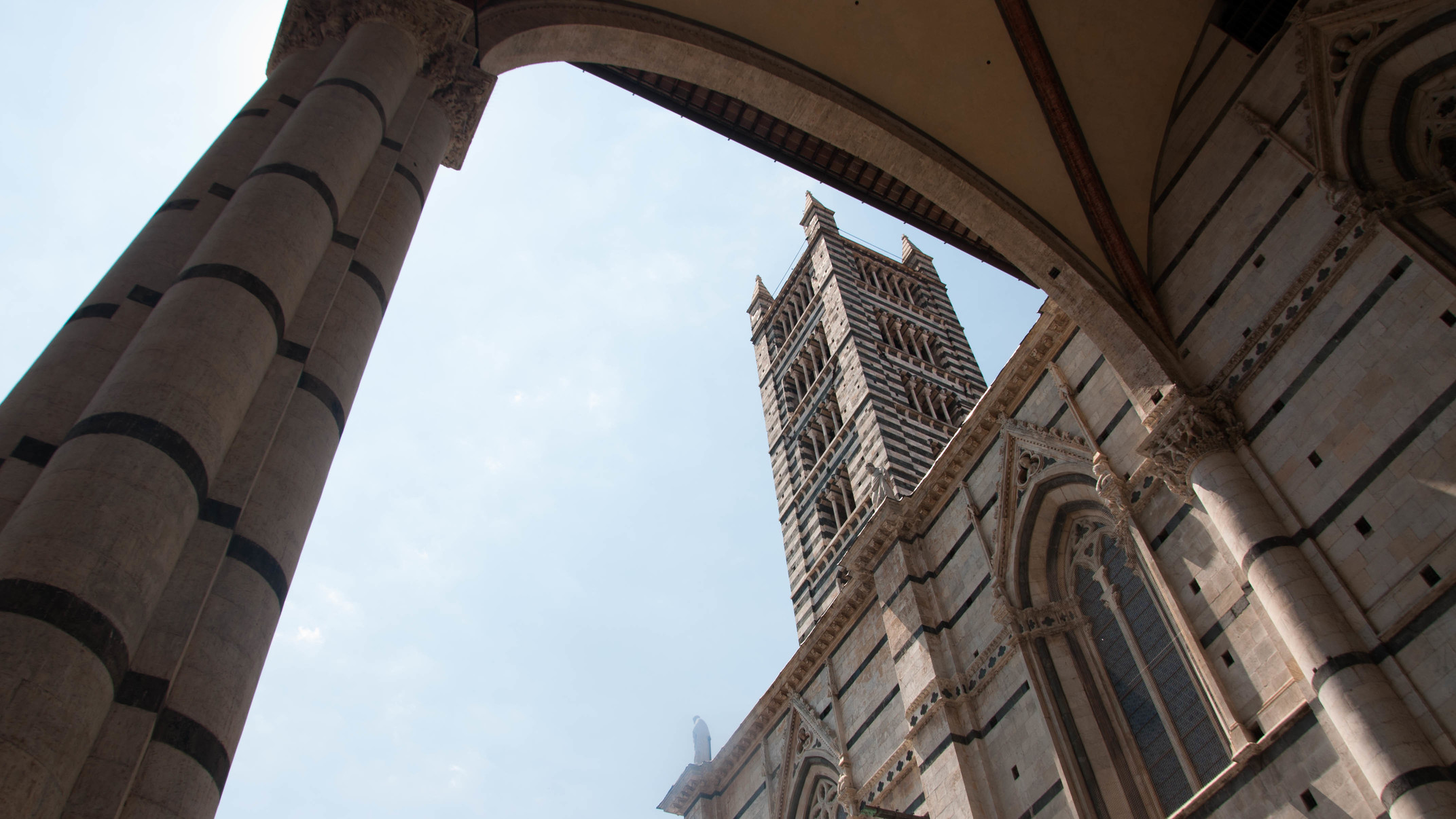
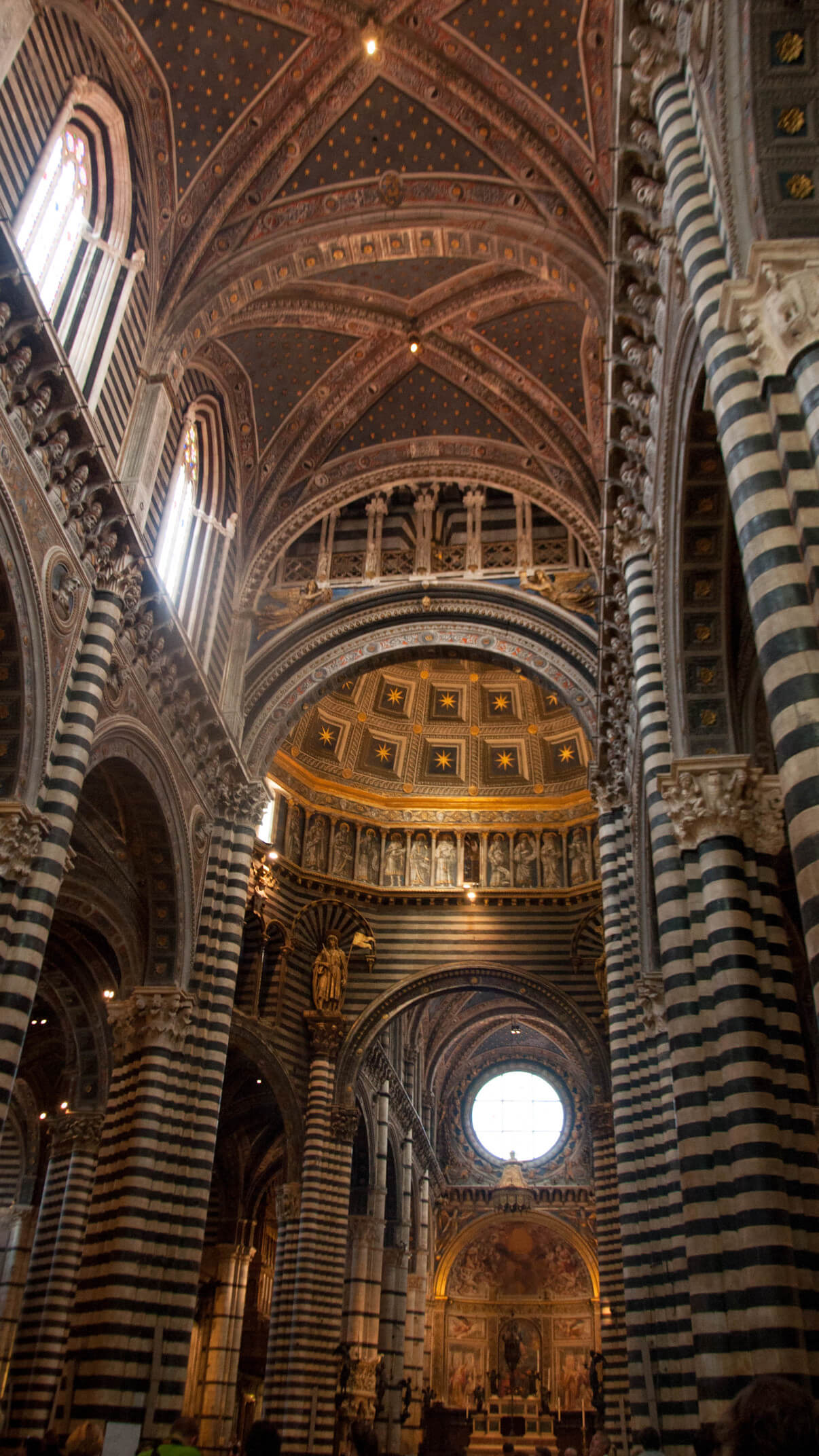
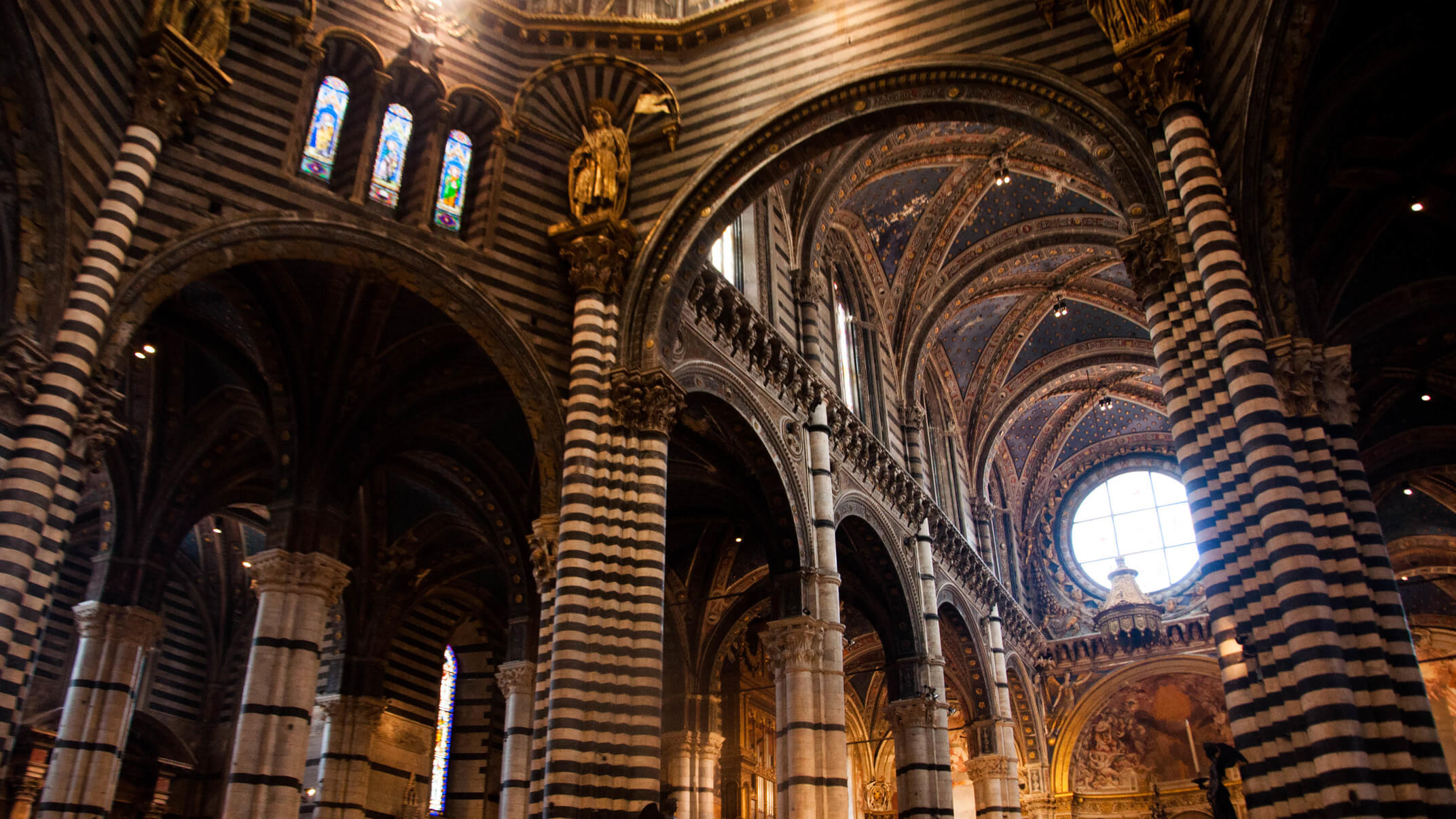
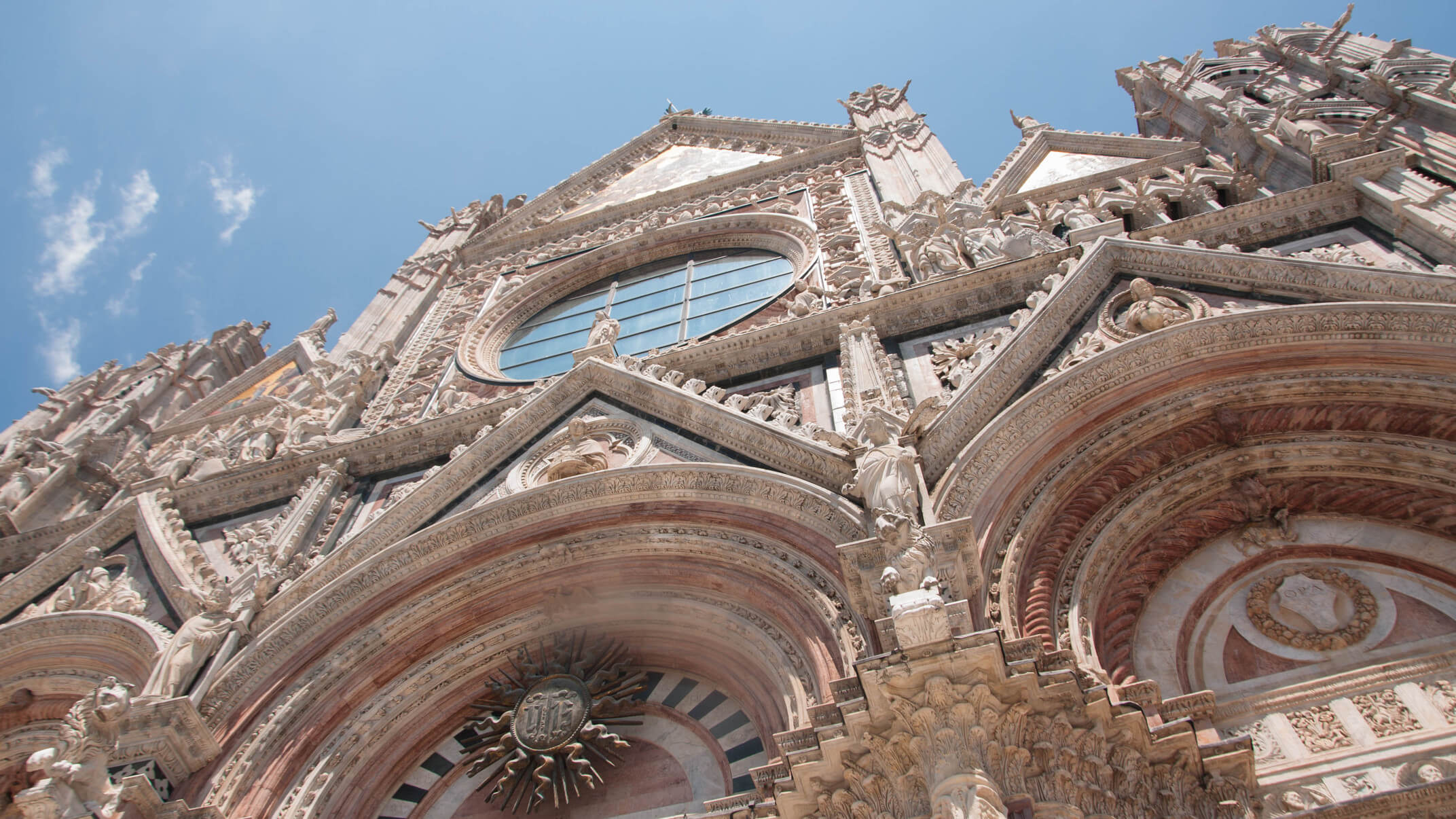
From here we ended up at the Dome again, the place where we started our journey, leaving the visit at the end. The Dome Square include the Cathedral, the crypt, and the Santa Maria della Scala museum. The façade of the Dome was built on an ancient Roman site by Giovanni Pisano. The exterior is made of white and black-green marble. The interior has huge columns made of black, white and green marble, but what’s the most impressive is the mosaic that’s on the floor.
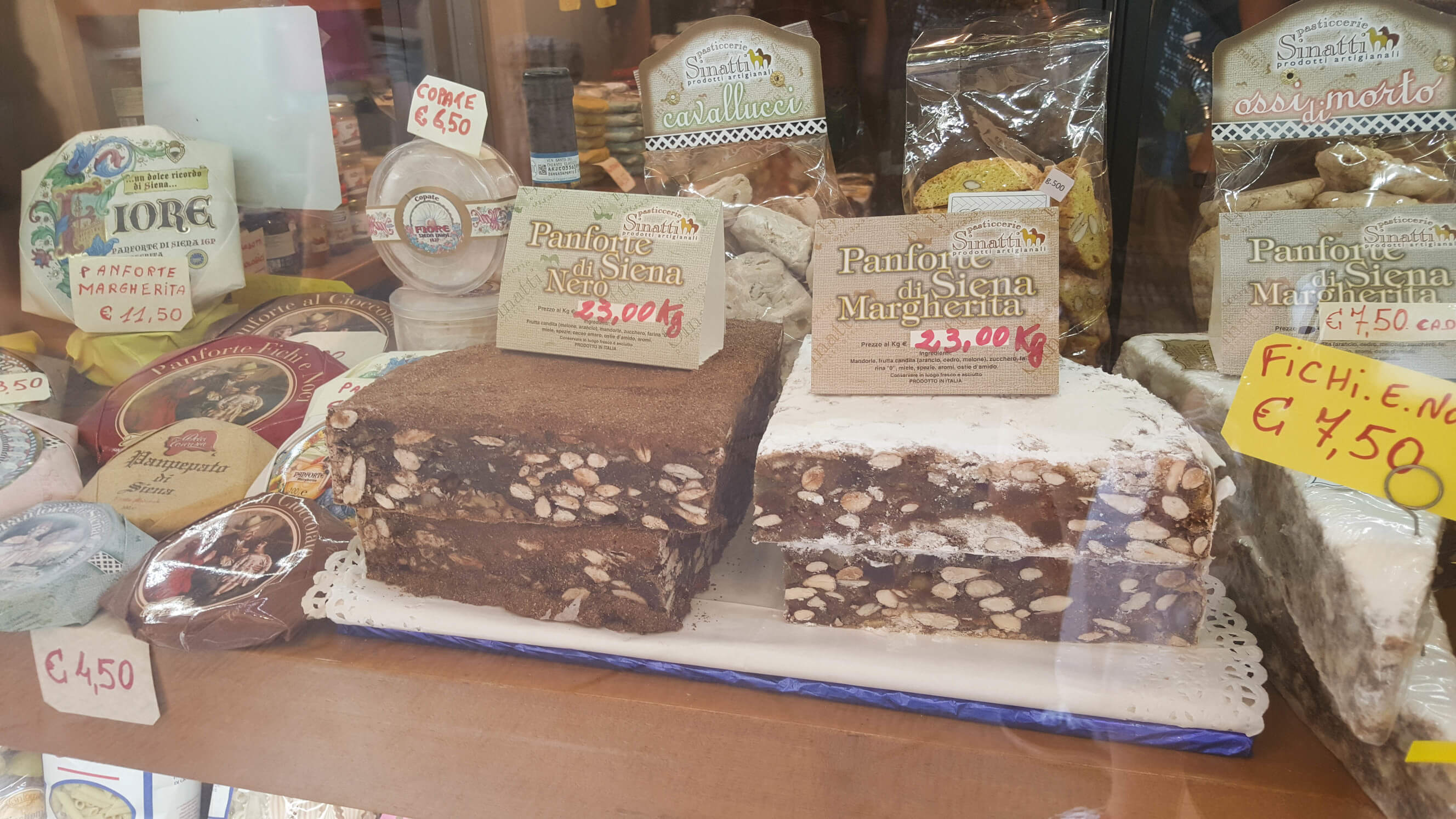
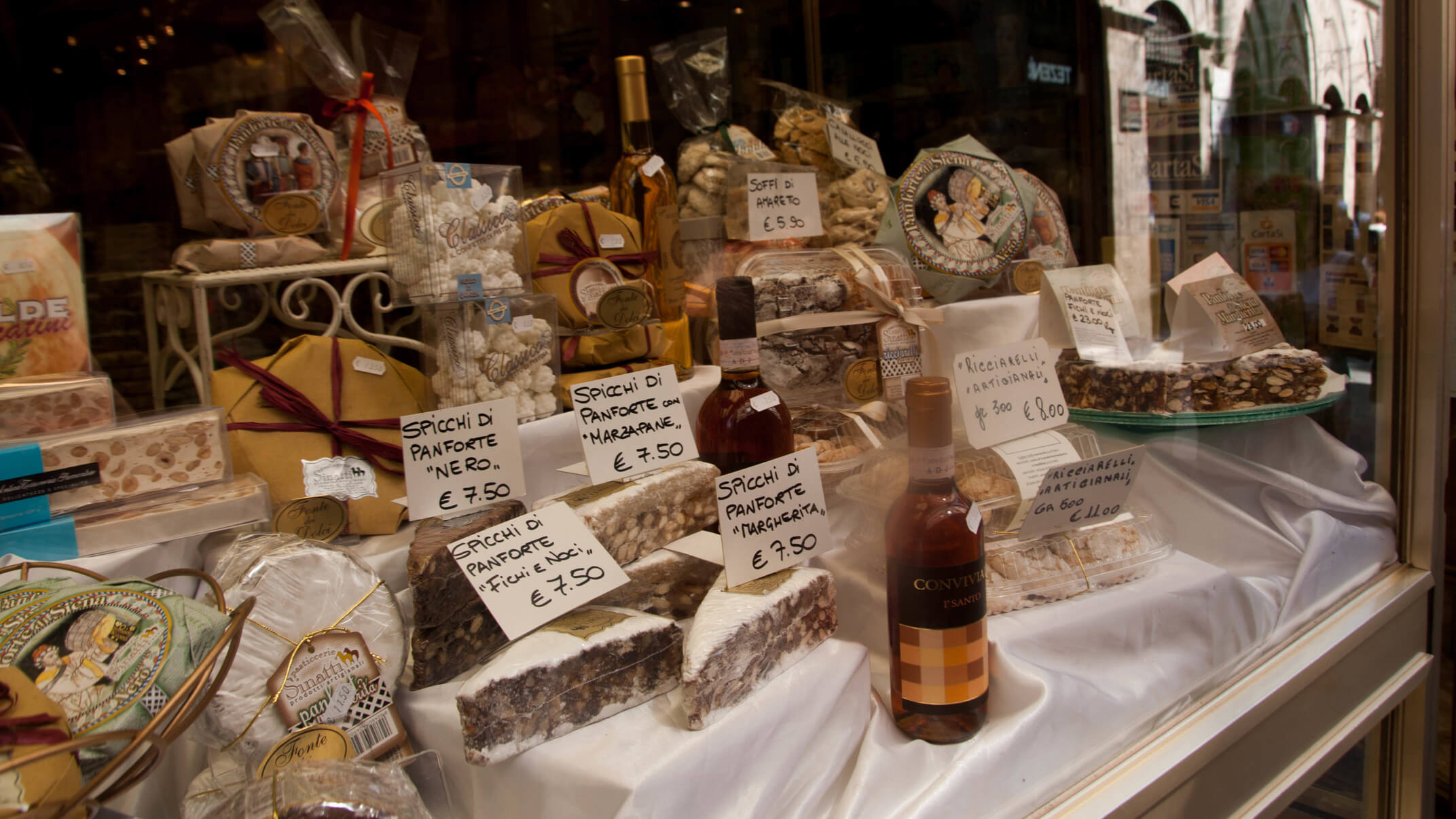
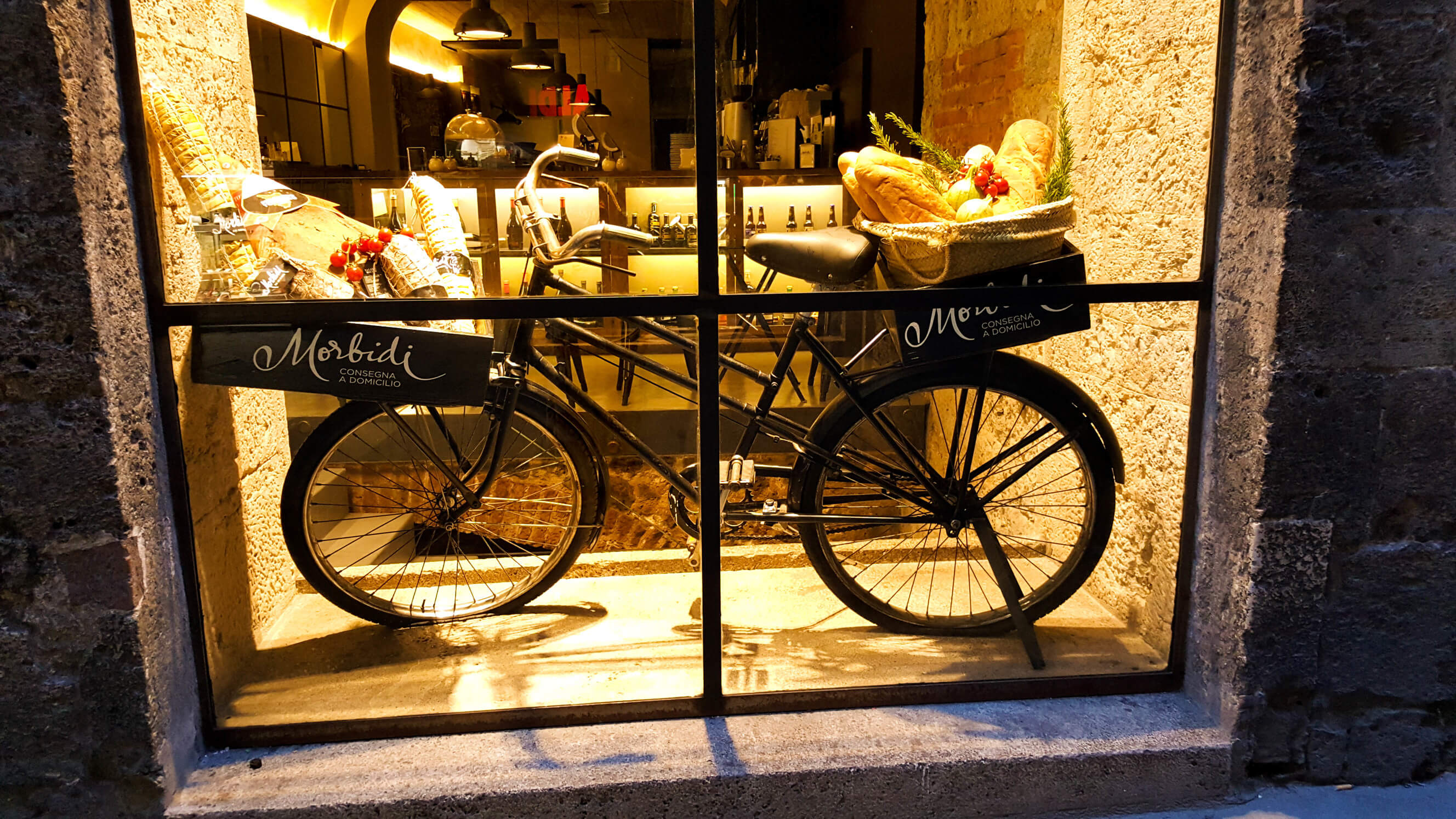
At the end of our stay we went to the cookies and dessert stores, trying some of their traditional ones. They are famous for panforte, cavallucii (some sort of biscuits) and ricciarelli (almond cookies). We took a walk on the streets one last time without a destination in mind, we just wanted to enjoy the vibe of the city. Then we went to our car and prepared for our next destination.